Trump Ousts Labor Chief Amid Scandal and Criticism
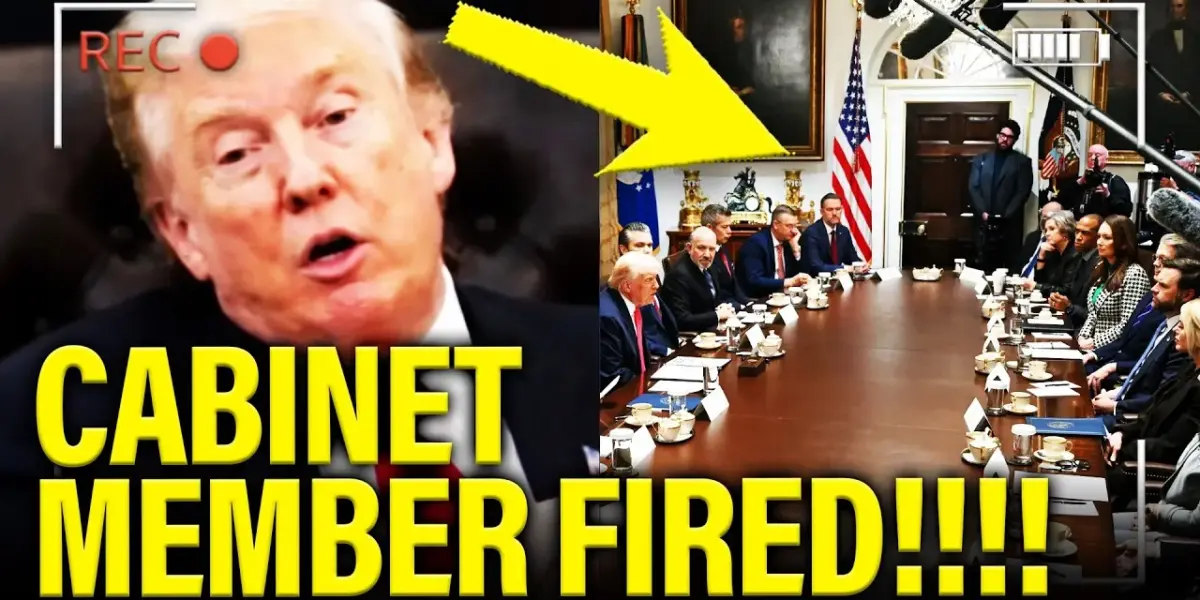
Labor Secretary Lori Chavez-DeRemer has been fired by Donald Trump amid investigations into serious allegations and criticism of her performance. The administration claims she is moving to a private sector role, but her tenure was marked by controversy over conduct, workplace issues, and shifting stances on labor protections.

Trump Ousts Labor Chief Amid Scandal and Criticism
Labor Secretary Lori Chavez-DeRemer has been fired by Donald Trump, according to an announcement from the administration. The official statement claims she will move to a private sector role. However, this departure follows a series of serious allegations and criticisms during her tenure.
Chavez-DeRemer faced investigations into her conduct. These included claims of pursuing a relationship with a subordinate, potential travel fraud, and drinking on the job. Reports also surfaced about lavish vacations and strip club visits.
Her husband was reportedly barred from the Labor Department building after two female staffers accused him of sexual assault. One alleged incident was said to be captured on security camera footage.
These issues led to the resignation of two of her top aides, Giwan Han and Rebecca Wright. They stepped down due to an investigation into allegations of creating a hostile workplace and committing travel fraud.
Both denied these claims. A New York Post report highlighted concerns about a “booze stash” and strip club visits within Chavez-DeRemer’s office.
The administration’s official statement, released by Communications Director Steven Chung, praised Chavez-DeRemer’s work. It credited her with protecting American workers and enacting fair labor practices.
However, critics strongly disagree with this assessment. They point to job losses in manufacturing and construction during her time as evidence of poor performance.
Shifting Stances on Worker Protections
Chavez-DeRemer’s background as a former Republican congresswoman from Oregon is notable. She initially claimed to support workers and the PRO Act, a key piece of legislation aimed at strengthening unions. However, during her confirmation hearing, she reversed her stance.
When questioned by Senator Rand Paul, she stated she no longer supported the PRO Act. She explained her support for “right to work” laws, which allow workers to opt out of union membership without losing benefits. This move was seen as a significant shift, especially given her prior support for the PRO Act.
During Bernie Sanders’ questioning, the PRO Act’s purpose was clarified. Sanders explained it’s designed to prevent illegal actions by employers that hinder workers’ ability to organize freely. Despite this, Chavez-DeRemer reiterated her support for American workers, a statement that left many unconvinced about her commitment to union rights.
Criticism Over Job Data and Economic Messaging
Chavez-DeRemer also faced scrutiny for her public statements regarding job data. In appearances on Fox News, she was pressed about negative employment reports. She often attributed downturns to factors like weather or strikes, while also emphasizing efforts to boost job growth.
At times, she suggested that data collection itself was problematic. She mentioned issues with household surveys and business submissions, implying that the available numbers might not be entirely accurate. This led to accusations that she was downplaying poor economic performance or making excuses.
She also linked economic challenges to political actions, such as government shutdowns. Chavez-DeRemer argued that these shutdowns hurt the economy and prevented accurate data from being gathered. This framing placed blame on Democrats for hindering economic progress and job recovery efforts.
Her statements to Maria Bartiromo also highlighted concerns about the economy hitting a “screeching halt.” She blamed Democrats for not reopening the government, which she claimed was preventing the release of crucial jobs numbers and hurting momentum. This narrative aimed to portray the administration’s economic policies as effective but hindered by political opposition.
Why This Matters
The firing of Lori Chavez-DeRemer raises questions about accountability within the Trump administration. The contrast between the official explanation and the serious allegations against her is stark. Her departure highlights the intense scrutiny and political pressures faced by cabinet members.
This event also clarifies the ongoing debate surrounding labor rights and union power in the United States. Chavez-DeRemer’s shifting positions on the PRO Act reflect broader political divisions on how best to support American workers. Her critics argue that her actions did not align with the goals of strengthening unions and improving worker conditions.
The administration’s handling of such situations, including the public messaging and the swiftness of the dismissal, offers insight into its operational style. The focus on blaming political opponents for economic issues is a recurring theme. The future direction of the Labor Department under acting Secretary Keith Sunderling remains to be seen.
Looking Ahead
With Chavez-DeRemer out, the question becomes who will be next to face potential dismissal. Speculation includes figures like Cash Patel and Dan Driscoll, among others. The administration’s personnel changes continue to be a subject of intense interest.
The effectiveness and direction of the Labor Department will be closely watched. As the political climate evolves, so too will the challenges and priorities facing those in leadership positions. The focus remains on how these changes will impact American workers.
Source: 🚨 Trump Cabinet Member SUDDENLY FIRED!!! (YouTube)

Related Articles
Labor Secretary Resigns Amid Misconduct Probe
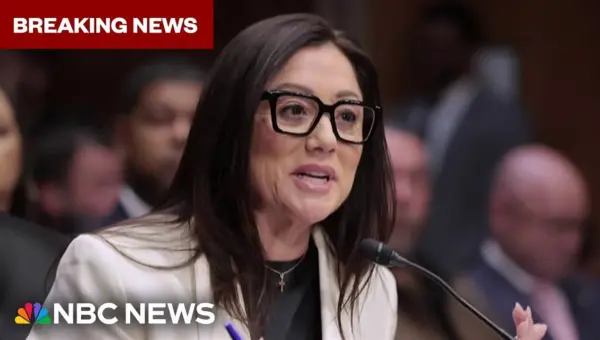
Labor Secretary Lori Chavez-DeRemer has resigned amid an investigation into potential misconduct, particularly concerning personal travel possibly funded by taxpayer money. The probe led to staff changes and now her departure, with Keith Sonderling stepping in as Acting Secretary. This marks the third female cabinet secretary resignation in a recent pattern of administration turnover.

Trump’s Tariffs Declared Unconstitutional; Government Repays Billions
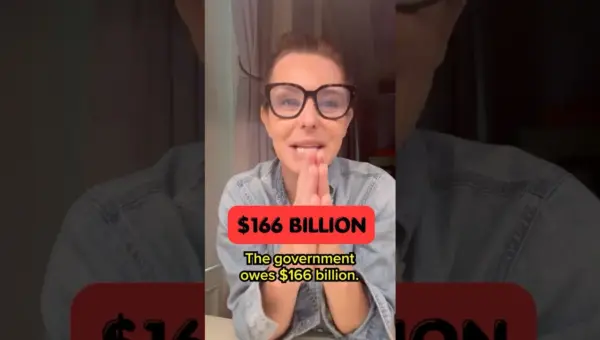
The U.S. government is returning $166 billion after the Supreme Court ruled Trump-era tariffs unconstitutional. This landmark decision allows businesses to recoup costs from duties deemed unlawful. The repayment signals a significant financial relief and a potential shift in future trade policy implementation.
Trump Ally Tapped to Lead DOJ Probe Against Ex-CIA Chief Brennan
The Justice Department is investigating former CIA Director John Brennan, a probe now led by Trump loyalist Joseph DeGenova. A lead prosecutor reportedly left the case, citing a lack of evidence for criminal charges against Brennan. Critics argue this investigation weaponizes the Justice Department against political adversaries.