Earth Sets Behind Moon in Stunning Artemis II View
Astronaut Reid Wiseman captured a stunning video of Earth setting behind the moon during the Artemis II mission. Described as a "cosmic sunset," the view offers a profound perspective on our home planet. This historic footage highlights the advancements in space exploration and the ongoing journey of the Artemis program.

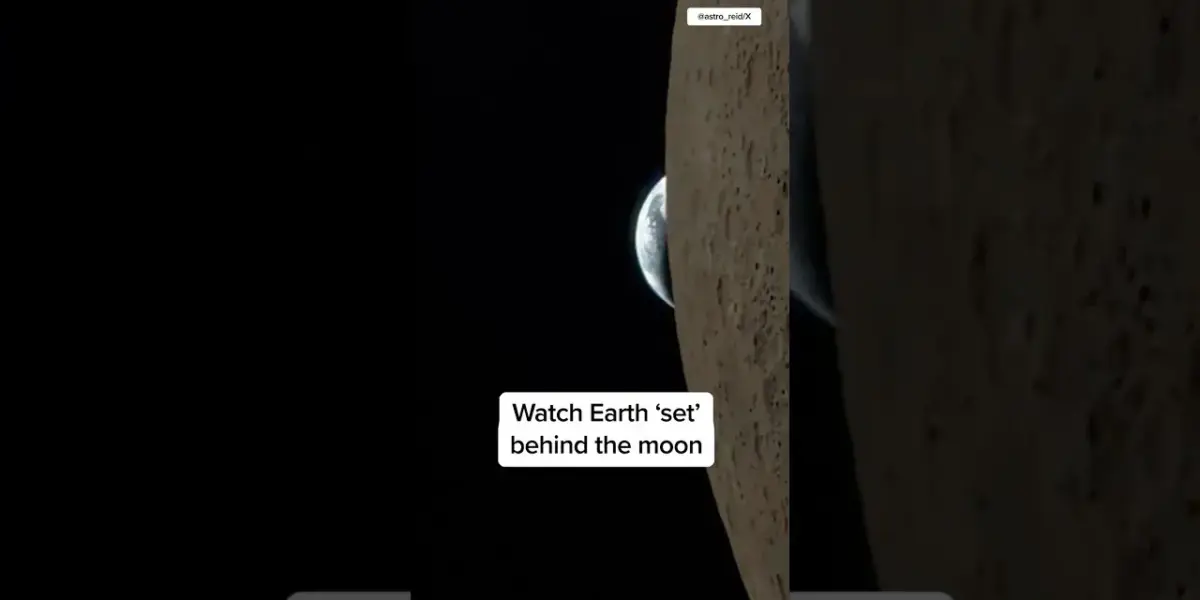
Astronaut Captures Historic Earthset Moment
Astronaut Reid Wiseman has shared a breathtaking video of Earth setting behind the moon. The incredible footage was captured during the Artemis II mission, offering a unique perspective from space. Wiseman described the view as akin to “watching sunset at the beach from the most foreign seat in the cosmos.” This event marks a significant moment in human space exploration, providing the public with a never-before-seen angle of our home planet.
Artemis II: A Giant Leap for Exploration
The Artemis II mission is a crucial step in NASA’s ambitious program to return humans to the moon and eventually travel to Mars. Unlike previous lunar missions, Artemis II is focused on testing the Orion spacecraft’s life support systems and navigation capabilities with a crew aboard.
The four astronauts on board will orbit the moon, performing critical maneuvers and gathering valuable data. This mission builds upon the success of Artemis I, which sent an uncrewed Orion capsule around the moon.
The Significance of Earthrise and Earthset
Seeing Earth from the moon has always been a powerful experience for astronauts. The iconic “Earthrise” photo, taken during the Apollo 8 mission in 1968, showed our planet as a fragile blue marble against the blackness of space.
This image profoundly impacted humanity’s view of Earth, highlighting its beauty and isolation. The reverse view, an “Earthset,” where Earth disappears behind the lunar horizon, offers a similarly profound, yet different, emotional connection.
Reid Wiseman’s Unique Vantage Point
Reid Wiseman, a veteran astronaut, shared the video on social media, allowing millions to witness this extraordinary event. His description evokes a sense of wonder and the vastness of space.
The clarity and beauty of the footage highlight the technological advancements that allow for such detailed observations. Wiseman’s role in the Artemis II mission is vital, contributing to the data collection needed for future deep space endeavors.
Technological Marvels of the Artemis Program
The Artemis program relies on cutting-edge technology to achieve its goals. The Orion spacecraft, designed for deep space travel, is equipped with advanced life support and communication systems. The Space Launch System (SLS) rocket provides the necessary power to send Orion beyond Earth’s orbit.
These advancements are not just about reaching the moon; they are about developing the capabilities needed for longer missions to Mars and beyond. The data collected by astronauts like Wiseman is instrumental in refining these technologies.
Broader Implications for Humanity
Witnessing Earth set behind the moon is a powerful reminder of our place in the universe. It emphasizes the interconnectedness of all life on our planet and the need for global cooperation.
Such views inspire awe and encourage a deeper appreciation for Earth’s delicate environment. As humanity ventures further into space, these experiences shape our understanding of ourselves and our home world, promoting a sense of shared responsibility.
What’s Next for Artemis?
The Artemis II mission is scheduled to launch in late 2024. Following its success, NASA plans to conduct Artemis III, which aims to land the first woman and the next man on the moon.
This next phase will involve the development of lunar landers and surface exploration technologies. The insights gained from Artemis II, including the stunning visuals captured by its crew, will enable these future, even more ambitious, lunar landings and scientific discoveries.
Source: Watch Earth 'set' behind the moon (YouTube)

Related Articles

Moon Base Beckons: NASA Races to Build Lunar Future
NASA is accelerating its Artemis program, targeting mid-2027 for the Artemis 3 mission and a return to the lunar surface by early 2028. The long-term goal includes establishing a moon base by late 2028, signaling a new era of sustained lunar presence and deep-space exploration.


Bill Nye Slams NASA Budget Cuts as ‘Huge Mistake’
Bill Nye, the popular science educator, has strongly condemned a proposed 23% cut to NASA's budget, calling it a "huge mistake." He argues that NASA is a vital American asset and crucial for maintaining U.S. leadership in science and space exploration, especially in the face of competition from China. Nye also criticized the quality of the White House's budget proposal, citing errors and a lack of attention to detail.

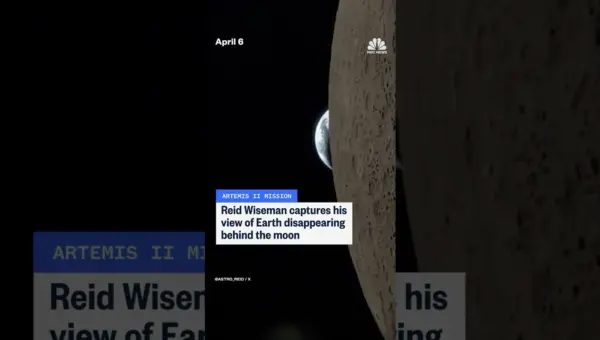
Astronaut’s Moon View Shows Earth Vanish
Astronaut Reid Wiseman shared a stunning image taken during the Artemis II mission, showing Earth vanishing behind the moon. The photograph provides a unique perspective on our planet's place in the cosmos. This visual captures a profound moment of lunar exploration and highlights the ongoing efforts of NASA's Artemis program.