US-Iran Peace Talks Stall Amid Escalating Threats, Ceasefire Deadline
US-Iran peace talks face significant hurdles as escalating threats and a looming ceasefire deadline create uncertainty. While U.S. officials prepare for potential negotiations in Islamabad, Iran's Foreign Ministry remains non-committal. The situation is further complicated by a recent naval incident and economic concerns over rising energy prices.

US-Iran Peace Talks Stall Amid Escalating Threats, Ceasefire Deadline
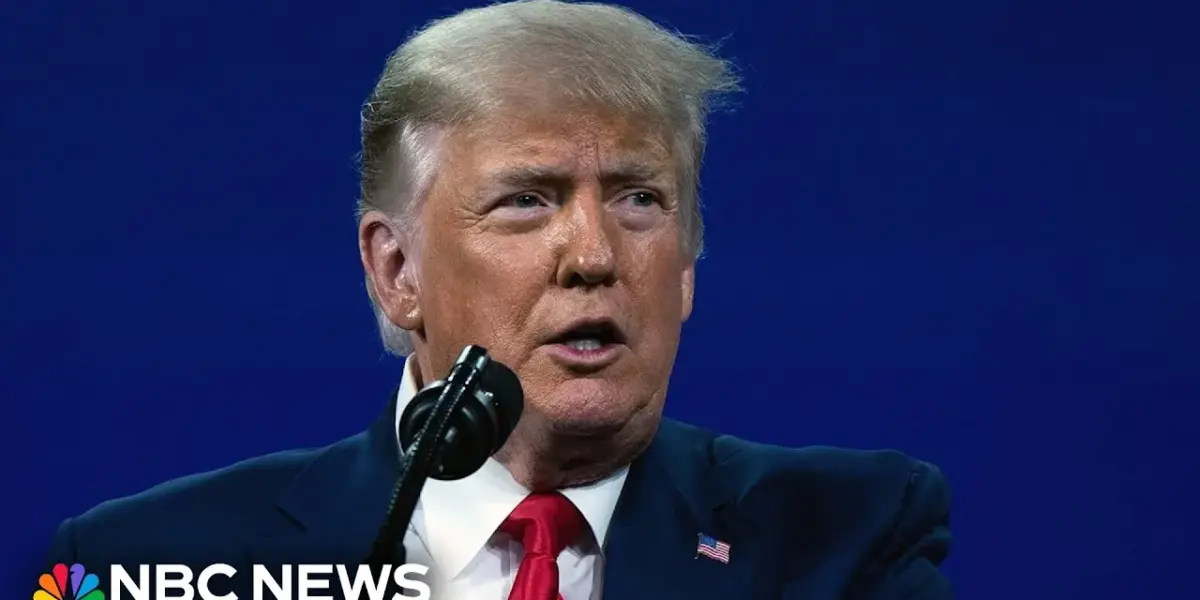
Peace talks between the United States and Iran are in a state of flux, with key deadlines and escalating threats creating new uncertainty. Vice President Vance, Special Envoy Steve Witkoff, and Jared Kushner were reportedly preparing to travel to Islamabad for a second round of negotiations. However, Iran’s Foreign Ministry stated that no decisions had been made regarding their participation.
This development follows President Trump’s intensified pressure campaign. He recently posted on social media, stating, “No more Mr. Nice Guy.” The President also renewed his threat to target Iran’s civilian infrastructure, including power plants and bridges, if a deal is not reached by Wednesday.
Naval Standoff and Retaliation Threats
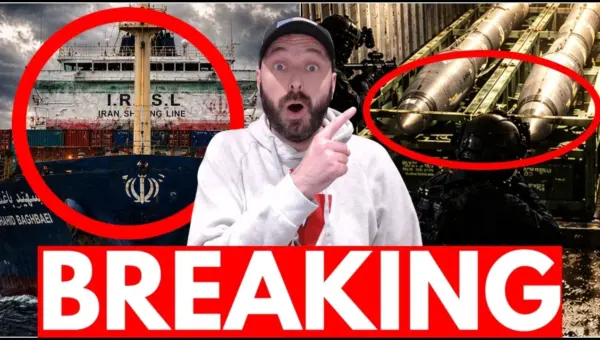
Adding to the tension, the U.S. Navy seized an Iranian-flagged cargo ship over the weekend. The U.S. claims the vessel was attempting to breach the blockade of Iranian ports. The Pentagon released footage showing the Navy issuing warnings to the ship, including a threat of “disabling fire” if it did not comply.
In response, Iran accused the U.S. of armed piracy and theft. The Iranian Foreign Ministry vowed retaliation, calling the seizure a violation of the ceasefire agreement. This naval incident has further complicated the already fragile diplomatic situation.
Uncertainty Over Ceasefire Extension
The looming Wednesday deadline for a ceasefire agreement adds another layer of complexity. U.N. Ambassador Mike Waltz stated that the decision to extend the ceasefire ultimately rests with the President. He indicated that “everything’s on the table” for de-escalation, but stressed that negotiations would not occur on national television.
President Trump echoed this sentiment, telling Bloomberg that extending the deadline is “highly unlikely.” However, he has extended similar deadlines at least four times in the past month. The exact timing of the Wednesday deadline also remains unclear, with official confirmation pending from the White House.
Economic Impact and Public Opinion
The Strait of Hormuz appears to be closed again, raising concerns about energy prices. Energy Secretary Chris Right suggested that Americans might face higher gas prices for months, potentially until next year. However, President Trump disagreed, stating in an interview that his Energy Secretary was “totally wrong” and that prices would fall once the war ends.
This conflict and its economic fallout are contributing to growing public backlash against the President’s handling of the war. According to recent NBC News polling, a third of Americans disapprove of his approach. Inflation remains the top economic concern for Americans, with rising energy costs exacerbating the issue.
Mixed Messages and Internal Divisions
Reports from Islamabad indicate preparations for the potential talks, with increased security measures in place. Both the U.S. and Iranian ambassadors met with Pakistani officials, suggesting an expectation of arrivals soon. Keir Simmons, reporting from Islamabad, noted that confrontations and noise surrounding the talks are often part of the negotiation strategy.
Internally, Iran appears divided. The Revolutionary Guard Corps (IRGC) has vowed vengeance for the ship seizure, while Iranian President Pezeshkian has spoken about diplomacy. This internal division presents a challenge for the U.S. team, as they may be negotiating with one faction that needs to gain approval from others in Tehran.
U.S. Seizure of Iranian Vessel
U.S. Marines have boarded the seized Iranian-flagged vessel and are currently searching its cargo. The military has not disclosed the ship’s exact location or destination, citing operational security. The Navy emphasized the process of the seizure, which involved hours of communication with the vessel before disabling fire was used.
While Iran’s conventional military capabilities have been degraded, officials believe they retain significant missile and drone stockpiles. The fast-moving small boats operated by the IRGC Navy are also seen as a potential threat. The exact command and control structure for these assets remains unclear due to Iran’s internal divisions.
Market Reactions and Future Outlook
Market reactions have been mixed, reflecting the uncertainty surrounding the negotiations and the Strait of Hormuz. Crude oil futures remain elevated, up 33% since the conflict began. Americans continue to face high average gas prices nationwide.
Analysts suggest that a significant drop in gas prices is unlikely anytime soon, especially with the ongoing tensions. The situation remains fluid, with the outcome of the peace talks and the potential for further escalation or de-escalation being closely watched.
Expert Analysis on Iranian Pressure
Hooman Majd, a special contributor, argues that pressure tactics have historically been ineffective with Iran. He believes President Trump’s threats only make the Iranians more hesitant to engage in talks, especially the IRGC, who prioritize respect and equal treatment.
Majd also pointed out that the continued blockade of Iranian ports is seen as a significant insult. He recalled that the breakthrough with the Obama administration on the JCPOA involved extensive trust-building over two years. He added that both diplomats and the IRGC within Iran desire a solution to fix the economy and secure sanctions relief, fearing renewed public uprisings.
Source: Status of U.S. peace talks with Iran ‘shifting in real time’ as ceasefire deadline looms (YouTube)

Related Articles

US Seizes Iran Ship, Uncovers Secret Chinese Cargo
The US has seized an Iranian tanker, suspecting it carried secret Chinese cargo for military use. This action occurs alongside increased US military deployments and conflicting reports on Iran-US negotiations. The situation remains tense, with a naval blockade impacting regional trade.
Iran Conflict: Trump’s Desperation Fuels Iranian Confidence
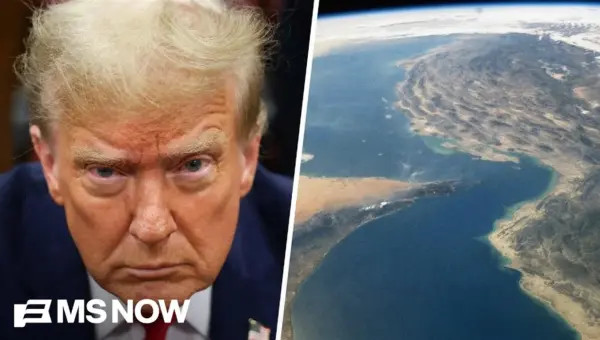
Retired four-star general Barry McCaffrey and Middle East expert Stephen Cook suggest President Trump's approach to Iran has emboldened the nation, making it feel in control of the Strait of Hormuz. This perception, coupled with domestic political pressure on Trump, creates a complex situation for U.S. foreign policy and global economic stability. The experts also raise concerns about the lack of a coherent national security process and the impact on negotiations.

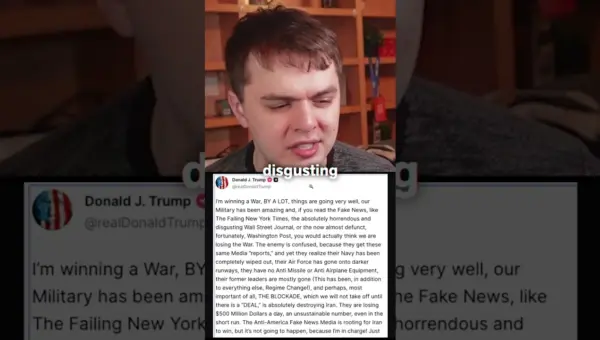
Trump Rewrites War Narrative, Blames Democrats for Failure
Donald Trump is blaming Democrats for a difficult situation with Iran, a move critics call a political tactic to deflect blame. This follows a pattern of cutting taxes, reducing benefits, and increasing debt, with blame then shifted to the opposition when things go wrong.