US Navy Blockade Hits Iran’s Oil Exports
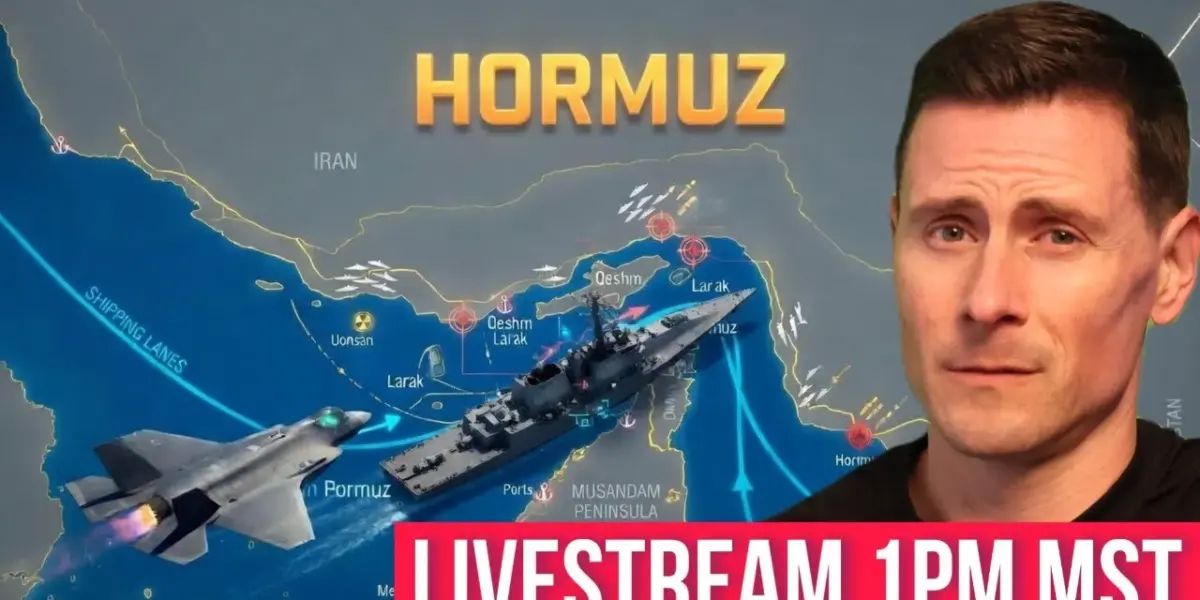
The U.S. Navy has initiated a naval blockade of Iranian ports, targeting maritime traffic to cut off oil export revenue. This action follows failed peace talks and aims to exert economic pressure on Iran. The blockade highlights the strategic importance of the Strait of Hormuz and Iran's reliance on oil sales.

US Navy Blockade Hits Iran’s Oil Exports
The United States has implemented a naval blockade targeting all maritime traffic entering or exiting Iranian ports. This action, which went into effect on April 30, 2026, at 10:00 a.m.
Eastern Standard Time, aims to cut off Iran’s oil export revenue. The move follows the collapse of U.S.-Iran peace talks held in Islamabad over the weekend, which failed to produce a nuclear deal or extend a vital ceasefire.
CENTCOM, the U.S. military command responsible for the region, stated the blockade’s primary goal is to deny Iran revenue from oil exports. Before the recent conflict, Iran was exporting approximately 1.5 million barrels of oil per day, primarily to China. The blockade is expected to disrupt these shipments and increase economic pressure on the Iranian regime.
Strategic Context: The Strait of Hormuz
The Strait of Hormuz is a crucial chokepoint for global oil trade. Control of this narrow waterway is vital for both Iran and international powers.
Iran has previously used tactics like laying mines and employing fast attack craft to threaten shipping in the region. The U.S. blockade aims to counter these threats and enforce international maritime law.
The Iranian military, particularly the Islamic Revolutionary Guard Corps (IRGC), has been significantly degraded in recent operations, with reports indicating hundreds of naval vessels have been taken out. This has led to a reliance on smaller, faster attack craft.
These craft have a more limited operational range, making it necessary for Iran to push its operations closer to its coastlines. The presence of a supposed minefield in a specific section of the strait further complicates navigation and supports this strategy of keeping threats close.
Iran’s Proxy Warfare and Drone Capabilities
Iran is known for its extensive use of proxy forces and asymmetric warfare tactics. The IRGC acts as a key proxy, often employing fast attack boats and drones.
The transcript mentions the possibility of these drones being used to harass shipping, with potential technological advancements possibly coming from Russia and China. Iran’s focus on drone technology, such as the Shahed drones, provides a credible, albeit asymmetrical, threat to maritime traffic and regional stability.
The article notes that Iran’s military strategy appears to prioritize controlling the Strait of Hormuz above all else. Instead of investing heavily in a traditional air force with fighter jets, Iran seems to be focusing its resources on developing and deploying drone capabilities.
These drones can be transported via large cargo aircraft to strategic islands, providing a potent offensive capability without the need for a large conventional air force. This approach allows Iran to project power and threaten shipping routes effectively.
Geopolitical Ramifications and China’s Role
The blockade directly impacts China, which has been a major buyer of Iranian oil. The U.S. administration is likely working to ensure China can secure its oil supplies from alternative sources. The disruption of Iranian oil exports could lead to fluctuations in global oil prices, with some reports indicating a slight surge following the blockade’s implementation.
The situation highlights the complex geopolitical dynamics in the Middle East. The U.S. blockade is a clear signal to Iran to return to negotiations and make concessions.
The failure of recent peace talks, particularly the inability to extend the ceasefire, suggests a potential for renewed hostilities. The blockade is seen by some as a calculated move, a way to pressure Iran economically and diplomatically without initiating direct kinetic conflict, at least in the initial hours.
Strategic Implications: Economic Pressure and Future Actions
The blockade is fundamentally an economic pressure tactic. By cutting off oil export revenue, the U.S. aims to cripple Iran’s ability to fund its military activities and support proxy groups. The revenue from oil exports, estimated to be around $100 million per day from China alone, is a critical source of income for the Iranian regime.
While no major kinetic incidents have been reported in the blockade’s initial hours, the situation remains tense. The transcript suggests that Iran may retaliate by targeting ports in Gulf nations or attempting to harass ships near the blockade. The article also touches upon Iran’s own efforts to build infrastructure, such as a pipeline, to bypass the Strait of Hormuz, indicating a long-term strategy to mitigate such pressures.
The U.S. Navy is utilizing advanced maritime patrol aircraft like the P-8 Poseidon, equipped with sonar and airborne surveillance systems, to detect mines and potential submersible threats. These aircraft are crucial for maintaining situational awareness and ensuring the safety of maritime traffic in the region.
The article concludes by emphasizing the need for Gulf nations to strengthen their own naval defenses and cooperate to counter Iran’s proxy forces. The current geopolitical climate highlights the importance of robust infrastructure and defensive capabilities in ensuring regional stability and protecting vital shipping lanes.
Source: INSANE U.S. Navy Blockade of Iran Just Went LIVE (YouTube)

Related Articles


US Navy Tightens Grip on Iran in Strait of Hormuz
The U.S. Navy has imposed a naval blockade on Iran, cutting off access to its ports in the Strait of Hormuz. This action follows the collapse of nuclear talks and signals a major escalation in U.S.-Iran tensions. Iran has threatened retaliation against regional partners, raising fears of a wider conflict.


US Blockades Iranian Ports Amid Escalating Tensions
The United States has initiated a naval blockade on Iranian ports and coastline, escalating tensions in the Middle East. Iran has responded with threats of retaliation and accusations of violating ceasefire agreements. The operation, termed 'Operation Epic Fury,' involves a significant U.S. military presence and aims to cut off vital resources to Iran.

Iran Calls Trump’s Bluff on Ceasefire
Iran is refusing to back down on a ceasefire deal, calling President Trump's bluff. They insist on their own 10-point framework and appear to be exploiting perceived weaknesses in Trump's domestic political standing. This standoff highlights complex international relations and potential shifts in global power dynamics.