GOP Rhetoric Fuels Christian Nationalist ‘Crusade’ Fears
Concerns are rising over the infusion of Christian nationalist ideology into U.S. foreign policy, with critics warning of a 'crusade' mentality. Rhetoric from some Republican figures frames international conflicts and domestic issues through a specific religious lens, sparking fears of alienation and a departure from secular governance.

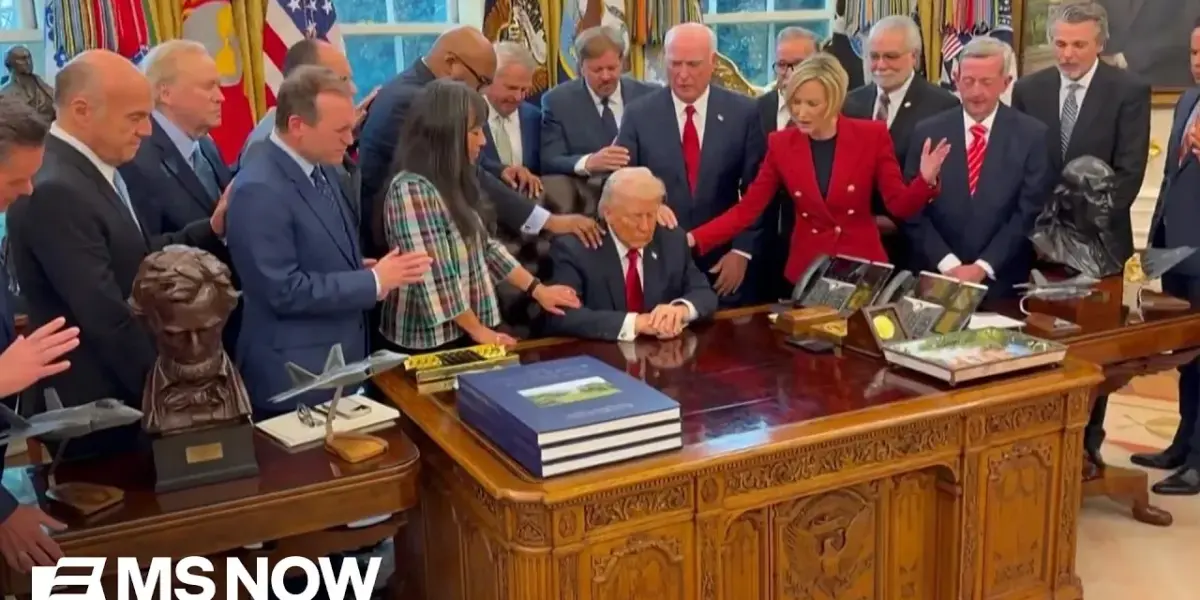
US Policy Under Scrutiny Amid Overt Religious Undertones
Washington D.C. – As the United States navigates complex geopolitical tensions, particularly concerning Iran, a growing chorus of critics is raising alarms about the infusion of religious ideology into American foreign policy and domestic discourse. Concerns are mounting that certain factions within the Republican party are promoting a foreign policy animated by a white Christian nationalist ideology, drawing parallels to historical religious conflicts and potentially alienating diverse segments of the American population and its armed forces.
Echoes of Religious Conflict in Political Discourse
The current political climate has seen a surge in rhetoric that explicitly frames national interests through a lens of Christian exceptionalism. This trend, according to analysts and commentators, is not merely a matter of political posturing but represents a deeper ideological current that could have significant implications for the nation’s identity and its role in the world. The speaker of the House, among other prominent Republicans, has been noted for using language that suggests a perceived religious or ideological clash with nations like Iran, describing their religion as “misguided” and asserting a need for the United States to remain a “Christian nation under God.”
“We are the great Satan and their analogy and their misguided religion, and there was no way to appease them. We share the same interests, and because of this we face an essential test.
Whether our nations will be and remain western nations with distinct characteristics. Christian nations under God.”
This kind of language, critics argue, mirrors the historical framing of religious wars and crusades, potentially exacerbating international misunderstandings and fostering an “us versus them” mentality based on religious affiliation. The implications extend beyond foreign policy, touching upon the very definition of American identity in an increasingly diverse society.
Concerns Over White Christian Nationalism in Governance
The assertion that the current administration is “animated by a white Christian nationalist ideology” is a central point of contention. Experts draw a stark contrast between the United States and theocracies, where religious leaders hold political power. They argue that when a secular government, particularly one as influential as the U.S., adopts such religiously charged language and framing, it risks being perceived as run by “religious extremists.”
Figures such as Mike Huckabee and Lindsey Graham are cited as examples of individuals whose public statements align with this perceived ideological bent. The use of the Oval Office for prayer sessions exclusively with pastors, invoking a specific religious framework, is seen by some as a symbolic act that alienates non-Christian and non-believing Americans, especially those serving in the military.
Impact on Military Personnel and National Unity
A significant concern raised is the impact of this rhetoric on members of the U.S. Armed forces who come from diverse religious backgrounds, including Islam, Judaism, Hinduism, atheism, and other non-Christian faiths. These service members, who are risking their lives for what they believe is the greater good of all Americans, are forced to witness their Commander-in-Chief evoke sentiments that appear to prioritize a specific set of Christian values. This creates a disconnect and raises questions about inclusivity and representation within the military and the nation it serves.
The “latent strain within the military of it being a crusade” has historically been present but typically managed within the bounds of the civilian-military divide. However, critics point to a current erosion of this divide, where civilian leadership appears to be increasingly embracing and promoting religious justifications for policy and action.
Broader Societal Implications: Immigration and Purity of Blood
The influence of this Christian nationalist ideology is not confined to foreign policy. Commentators observe its manifestation in domestic discourse, particularly in the language used against immigrants. The invocation of terms like “purity of blood,” a phrase previously used by Donald Trump, is highlighted as a deeply troubling and historically loaded expression that aligns with exclusionary and nationalistic ideologies.
This trend is seen as particularly ironic and oblivious. At the same time that some U.S. Leaders are emphasizing the nation’s Christian identity, other politicians are stoking fears about Islamic law (Sharia) potentially encroaching on American life and families. This creates a double standard, where one religious or cultural identity is elevated while another is demonized, all while the administration itself is accused of promoting a specific religious ideology.
Controversial Figures and Ideological Alignment
The association of certain administration figures with controversial individuals further fuels these concerns. Pete Hegseth, a prominent figure who has previously appeared on shows discussing these issues, has been noted for bringing Doug Wilson, described as a “notorious Christian nationalist,” to events.
Wilson’s views, which include restrictive ideas about women’s roles in society, such as believing they should not vote and should be confined to domestic life, are seen as representative of the extreme end of the Christian nationalist spectrum. His close relationship with key administration figures and his prayers over armed forces personnel at the Pentagon are viewed as indicators of the growing influence of this ideology within government circles.
Erosion of the Civilian-Military Divide
Historically, a respect for the civilian-military divide has been a cornerstone of American governance. This divide ensures that the military remains under civilian control and that its actions are not driven by partisan or sectarian interests.
However, the current trend, as observed by analysts, suggests a blurring of these lines, with religious ideology increasingly permeating policy discussions and military engagements. This erosion is considered a dangerous development that could undermine democratic norms and principles.
Looking Ahead: Monitoring Religious Influence in Policy
The coming months will be critical in observing how these religious undertones continue to shape U.S. Foreign policy and domestic rhetoric. The potential for increased polarization, alienation of minority groups, and a departure from secular governance principles remains a significant concern. Continued scrutiny of public statements by political leaders, the ideological leanings of appointed officials, and the impact on diverse communities, particularly within the military, will be essential in understanding the trajectory of this evolving national discourse.
Source: Is war with Iran a Christian CRUSADE? Some in the GOP think so (YouTube)

Related Articles
Trump’s Iran Stance Could Define Election
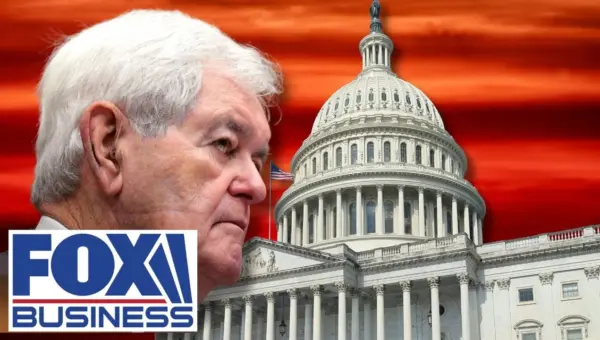
A strong stance on Iran's nuclear ambitions is emerging as a critical election issue, with critics arguing Democrats are misjudging Donald Trump's assertive strategy. The potential threat of Iranian nuclear weapons is presented as a direct danger to American cities, demanding immediate action. This foreign policy debate is seen as potentially overshadowing traditional Republican platforms like the economy.
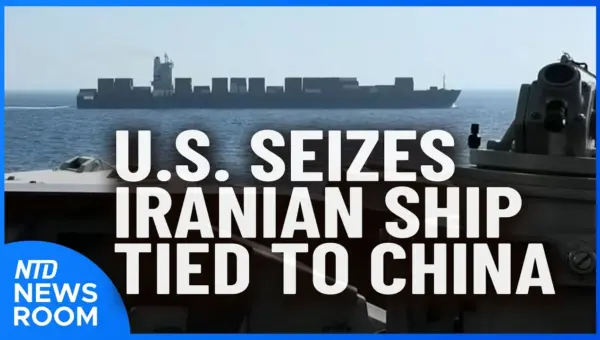
US Seizes Iran Ship, Signals Tough Stance on Tehran
The US has seized an Iranian ship tied to China, signaling a tough stance on Tehran. This action, coupled with a naval blockade, aims to curb Iran's regional influence and nuclear ambitions. China's complex role and global ambitions remain a key factor in the ongoing geopolitical struggle.
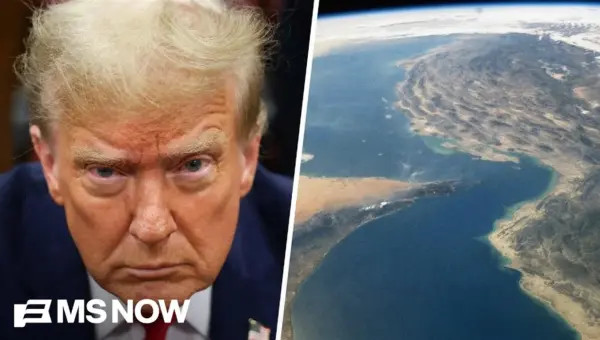
Iran Conflict: Trump’s Desperation Fuels Iranian Confidence
Retired four-star general Barry McCaffrey and Middle East expert Stephen Cook suggest President Trump's approach to Iran has emboldened the nation, making it feel in control of the Strait of Hormuz. This perception, coupled with domestic political pressure on Trump, creates a complex situation for U.S. foreign policy and global economic stability. The experts also raise concerns about the lack of a coherent national security process and the impact on negotiations.