Iran’s Navy Crumbles as War Escalates Dramatically
The war with Iran has seen unprecedented naval losses for Tehran, with a U.S. submarine sinking a warship and over 20 Iranian vessels destroyed. The conflict has also escalated with Iranian missile targeting NATO territory and tragic U.S. casualties from drone strikes.

Iran’s Naval Power Decimated Amidst Escalating Conflict
The ongoing conflict with Iran has reached a critical juncture, marked by a series of unprecedented events. The sinking of an Iranian warship by a U.S. Submarine in international waters, the downing of F-15 fighter jets, and the targeting of NATO territory by Iran represent a significant escalation. This analysis digs into these developments, examining their strategic implications, historical context, and the potential future trajectory of the conflict.
A War of Firsts and Tragic Losses
The conflict has already claimed American lives, with the recent release of Sergeant Declan Cody, Captain Cody Cork, Sergeant Firstclass Nicola Moore, and Sergeant Firstclass Noah Titans. These soldiers, assigned to the 103rd Sustainment Command, were killed in an Iranian drone strike in Kuwait on March 1st, 2026.
Their sacrifice highlights the grim reality of the escalating hostilities, a sentiment echoed by President Trump and General Kaine, who anticipate rising U.S. Casualties. Secretary Rubio’s recent statement, warning of more intensive strikes yet to come, further emphasizes the volatile nature of the current situation.
Naval Dominance: A Submarine’s Historic Strike
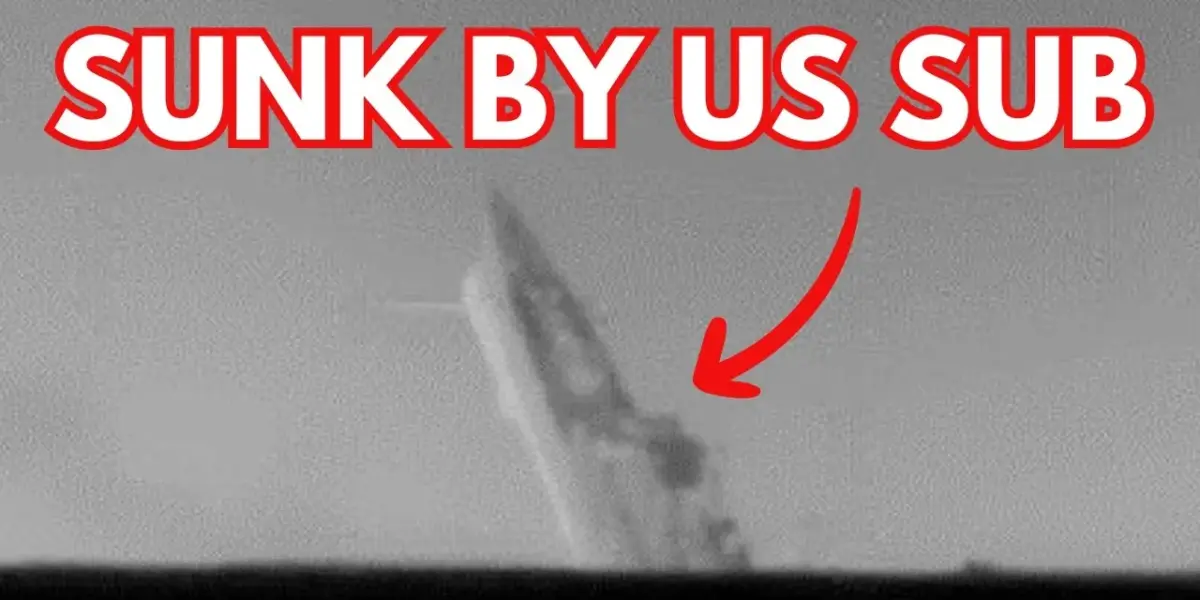
A key moment in the naval dimension of this war occurred with the sinking of the Iranian frigate Dena by a U.S. Submarine in the Indian Ocean. This incident, the first known attack by an American submarine on a surface ship since World War II, and the first such action globally since the HMS Conqueror sank the ARA General Belgrano in 1982, signals a decisive shift in naval warfare capabilities. Footage from the submarine’s periscope shows the Mark 48 torpedo hitting the Dena, leading to its demise.
Sri Lankan authorities rescued 79 Iranian sailors, with one seriously injured, while 101 remain missing. The strike, occurring off the coast of Sri Lanka, demonstrates the expanding operational theater beyond the immediate Persian Gulf region.
General Kaine’s statement that over 20 Iranian naval vessels have been destroyed, effectively neutralizing Iran’s major naval presence, aligns with the visual evidence of strikes against Iranian naval assets. The Pentagon has released extensive footage showcasing successful attacks on the Iranian Navy, a stark contrast to the initial days of the war which focused on missile launchers and air defense sites.
Strategic Objectives: Clarity Amidst Chaos
The White House has outlined four key objectives for Operation Epic Fury: destroying Iran’s missile capabilities, annihilating its navy, neutralizing its terrorist proxies, and preventing Iran from obtaining nuclear weapons. While the annihilation of Iran’s navy appears achievable through current military actions, the effectiveness of air power alone in dismantling missile programs, dismantling proxy networks, and eliminating a nuclear program, which involves not just facilities but also a knowledge base, remains a subject of debate. The historical precedent of Operation Midnight Hammer suggests that such complex endeavors may require more than aerial bombardment.
The Strait of Hormuz: A Contested Chokepoint
The strategic importance of the Strait of Hormuz, a narrow chokepoint crucial for global oil transit, has become a focal point. Iran’s threat to close the strait and attack any vessels attempting to cross, juxtaposed with President Trump’s suggestion of U.S. Navy escorts and calls for risk insurance for maritime trade, highlights the escalating tensions. The reported 70% drop in maritime traffic following U.S. Strikes highlights the impact of these threats.
The potential for Iran to utilize fast attack craft and drones to harass civilian vessels, even with the degradation of its conventional navy, presents a persistent challenge. The U.S. Navy’s role in intercepting such threats, similar to operations off Yemen, is complicated by the inherent risks to insurance providers and carriers, as seen during the Red Sea slowdown.
Air Warfare: A New Era of Engagement
The conflict has also seen a significant development in air combat. Reports suggest that Kuwaiti F-18s may have accidentally shot down three American F-15s, a first for the F-15, which boasts an impressive combat record. This incident, occurring shortly after an Iranian drone strike in Kuwait that killed U.S. troops, highlights the heightened state of alert and the potential for fratricide in a complex operational environment.
The F-15, a veteran aircraft with a 104-0 record against enemy planes, has never been lost to enemy aircraft in combat. The cost of these newer F-15s, approximately $100 million each, adds to the gravity of such losses.
While the U.S. Claims uncontested control of Iranian airspace, the possibility of residual air defense capabilities, however degraded, poses a risk to pilots. General Kaine’s announcement of a shift from standoff munitions to ‘stand-in precision strikes’ over Iran indicates a strategic evolution, allowing for more frequent and less costly engagements by manned aircraft. This move is enabled by the successful degradation of Iranian air defenses.
Missile and Drone Warfare: Declining but Persistent
Despite significant U.S. and Israeli strikes, Iran continues to launch ballistic missiles and drones, albeit at a reduced rate. Missile launches are down 86% and drone launches are down 73% since the start of the conflict.
However, Iran’s ongoing 17th wave of attacks demonstrates a persistent, though diminished, capacity to project force across the Middle East. The intensity of strikes is likely to increase as the U.S. Aims to further degrade Iran’s launch capabilities.
NATO Territory Targeted: A New Dimension of Conflict
In a significant escalation, Iran has directly targeted NATO territory. A ballistic missile launched from Iran, transiting Iraqi and Saudi airspace, was intercepted and neutralized by NATO air and missile defense systems in the eastern Mediterranean.
While the incident did not trigger Article 5 of the NATO treaty, as Turkey, the targeted nation, is unlikely to invoke it and the U.S. Navy vessel ultimately downed the missile, it demonstrates Iran’s increasing desperation and willingness to expand the conflict’s reach. This act signifies a new, dangerous phase where regional adversaries are willing to engage NATO assets, even if indirectly.
Why This Matters
The ongoing conflict with Iran is a stark illustration of the evolving nature of modern warfare. The decimation of Iran’s navy, the successful interception of its ballistic missiles, and the acknowledgment of its reduced but persistent drone and missile capabilities paint a picture of a nation under severe military pressure.
The potential for miscalculation, accidental engagement, and the tragic loss of life, both military and civilian, remain high. The targeting of NATO territory, even if not an Article 5 trigger, signals a dangerous expansion of the conflict’s scope and a desperate attempt by Iran to sow regional chaos.
Implications, Trends, and Future Outlook
The current trajectory suggests a prolonged period of intense conflict, with the U.S. and its allies focused on degrading Iran’s military capabilities across multiple domains. The emphasis on naval destruction, air superiority, and the neutralization of missile and drone threats indicates a comprehensive strategy. However, the challenges of dismantling Iran’s proxy networks and its nuclear program remain significant.
The potential for further escalation, including direct confrontations in critical maritime chokepoints like the Strait of Hormuz, is high. The involvement of regional actors and the potential for unintended consequences, such as the accidental downing of allied aircraft, highlight the complexity and volatility of the situation. The future outlook points towards continued military operations, a heightened risk of regional destabilization, and a critical need for de-escalation strategies, even amidst ongoing hostilities.
Historical Context and Background
The current conflict is situated within a long history of U.S.-Iran tensions, exacerbated by Iran’s pursuit of nuclear weapons, its support for regional proxies, and its assertive naval posture in vital shipping lanes. The U.S. military’s technological superiority, particularly in naval and air power, is evident in the early stages of the conflict. However, Iran’s asymmetric warfare tactics, including the use of drones and fast attack craft, have historically posed a persistent challenge.
The strategic importance of the Strait of Hormuz has been a recurring flashpoint, with both sides understanding its critical role in global energy security. The recent events, including the targeting of NATO territory, represent a departure from previous conflicts, indicating a willingness by Iran to broaden the scope of engagement and challenge established security frameworks.
Source: Iran's Navy Is Getting Smashed (YouTube)

Related Articles


Trump’s Troop Gambit: A Risky Mideast Play?
Reports of thousands of U.S. troops heading to the Middle East clash with President Trump's claims of an impending end to the war. This analysis explores the potential risks and high price of using ground forces as leverage, questioning if the President is prepared for the potential human and political costs.


US Blockades Iranian Ports Amid Escalating Tensions
The United States has initiated a naval blockade on Iranian ports and coastline, escalating tensions in the Middle East. Iran has responded with threats of retaliation and accusations of violating ceasefire agreements. The operation, termed 'Operation Epic Fury,' involves a significant U.S. military presence and aims to cut off vital resources to Iran.

Iran Calls Trump’s Bluff on Ceasefire
Iran is refusing to back down on a ceasefire deal, calling President Trump's bluff. They insist on their own 10-point framework and appear to be exploiting perceived weaknesses in Trump's domestic political standing. This standoff highlights complex international relations and potential shifts in global power dynamics.