SCOTUS Ruling Sparks Fury: Trump Admin Delays $140B Tariff Refund
The Trump administration is reportedly delaying the refund of $140 billion in illegal tariffs, despite a Supreme Court order. Critics decry the move as "larceny" and a "temper tantrum," while the Treasury cites administrative complexity. The delay sparks questions of governmental accountability and the future of trade policy.

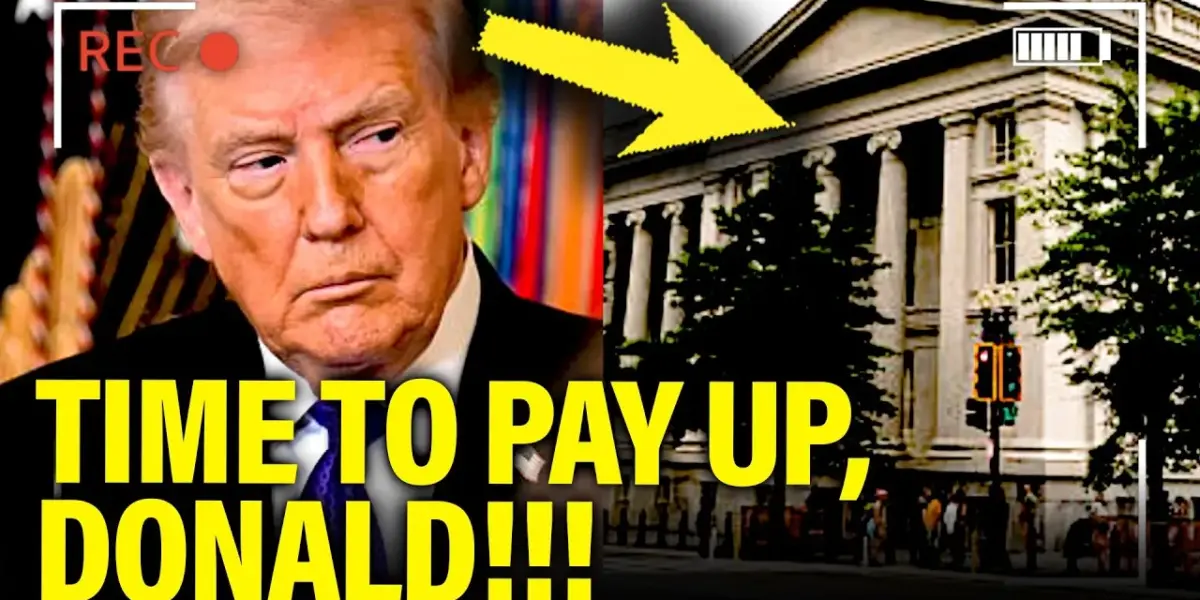
SCOTUS Ruling Sparks Fury: Trump Admin Delays $140B Tariff Refund
A seismic ruling by the Supreme Court, which declared former President Trump’s imposition of $140 billion in tariffs as illegal and mandated their repayment, has devolved into a protracted battle over the refund process. The Trump administration, now facing scrutiny from the Justice Department and Senate Democrats, is reportedly dragging its feet, suggesting it could take up to seven years to return the funds to American importers and, by extension, consumers. This delay, framed by critics as a “temper tantrum” and “larceny,” highlights a deep-seated conflict over fiscal responsibility and the legacy of protectionist trade policies.
The Supreme Court’s Verdict and the Treasury’s Response
The core of the issue lies in the Supreme Court’s decision that the Trump administration illegally collected approximately $140 billion through tariffs, which were effectively taxes on American goods and increased the cost of consumer products. Despite the court’s clear directive to return these funds, the Treasury Department, under Secretary Scott Bessant, has indicated through filings in federal appeals court that the refund process could be exceptionally lengthy, potentially spanning up to seven years.
This timeline is being justified by citing administrative complexities and referencing past cases where similar refunds took considerable time, such as the U.S. Shoe Corp v. United States case, which reportedly took seven years for a substantially smaller sum.
Critics, including legal analysts and Senate Democrats, decry this delay. They point out that the Treasury Department possesses ample funds, with an estimated $800 billion available, making the prolonged refund period appear less about financial capacity and more about a political reluctance to unwind Trump-era policies. The argument is that the administration is using the prospect of future, potentially illegal, tariffs as a pretext for withholding illegally collected past revenues, an analogy drawn by critics to a bank robber refusing to return stolen money because they plan to rob again.
Historical Context and Policy Rationale
The tariffs in question were largely imposed under Section 301 of the Trade Act of 1974, targeting goods from China, and were part of a broader trade war initiated by the Trump administration. The stated rationale was to protect American industries and jobs from what was perceived as unfair trade practices by other nations. However, the economic impact was debated, with many economists arguing that these tariffs ultimately harmed American consumers and businesses through increased costs and retaliatory measures.
Treasury Secretary Scott Bessant himself has been a vocal proponent of tariffs, a stance that appears to have evolved during his tenure. In earlier statements, he suggested that tariffs were not problematic and that funds could be readily repaid if they were eventually overturned. However, his recent public remarks and the department’s legal filings indicate a shift, emphasizing the complex legal framework and administrative hurdles involved in processing such large-scale refunds.
Bessant has also attempted to defend the tariffs’ economic impact by citing decreases in certain prices, like gasoline and egg prices, and claiming that consumer earnings have outpaced inflation, suggesting the tariffs had a net positive or neutral effect for many Americans. He also pointed to the South China Morning Post’s reporting that 65% of tariffs would be absorbed by Chinese producers, implying a minimal burden on American consumers.
Congressional Scrutiny and the Path Forward
The protracted refund timeline has galvanized opposition in Congress. Senate Democrats, led by Majority Leader Chuck Schumer, have penned a letter to Secretary Bessant demanding answers and urging an immediate refund process.
They are calling for the refunds to be completed within 90 days, a stark contrast to the seven-year estimate provided by the Treasury Department. This move signals a significant political push to expedite the repayment and hold the administration accountable.
The Supreme Court’s ruling, while decisive on the illegality of the tariffs, did not delineate the specific logistical process for refunds. This has created a vacuum that is now being navigated through legal filings and political pressure.
While Congress has the authority to establish refund processes under its Article I powers, the current political landscape, particularly with a Republican-controlled House, presents challenges to swift legislative action. The Senate’s current approach relies on political pressure and oversight hearings to compel the Treasury Department to act more expeditiously.
Legal Arguments and Judicial Interpretation
During the Supreme Court oral arguments, Justice Amy Coney Barrett had questioned the potential “mess” of the reimbursement process, highlighting the complexities involved. The government’s counsel acknowledged the difficulty but pointed to existing administrative procedures and specialized trade law, suggesting that the process, while complicated, is not insurmountable. The argument that economic dislocation should not be a reason to delay a rightful refund was also raised, referencing past Supreme Court decisions like McCassen and Northern Pipeline.
The Justice Department’s filing in the appeals court, citing the U.S. Shoe Corp case, is a critical point of contention, suggesting a precedent for long delays. However, critics argue that this precedent is being misused to justify an intentional slowdown, rather than reflecting an unavoidable administrative reality. The administration’s defense of using alternative legal authorities, such as Section 232 and Section 301 tariffs, to maintain tariff revenue, further fuels the narrative that the intent is to circumvent the spirit of the Supreme Court’s ruling.
Why This Matters
This situation transcends a mere financial dispute; it underscores fundamental questions about governmental accountability, the rule of law, and the long-term economic consequences of protectionist policies. The delay in refunding the $140 billion impacts American businesses that bore the brunt of these tariffs and, ultimately, consumers who faced higher prices. It also sets a precedent for how future court rulings against government policies might be implemented – or delayed.
The political dimension is equally significant. The ongoing debate and the Senate’s intervention highlight the power dynamics between the executive and legislative branches, especially in matters of fiscal policy and trade. The outcome of this dispute could influence public trust in governmental institutions and the perceived fairness of the economic system.
Implications, Trends, and Future Outlook
The extended timeline for tariff refunds could deter businesses from challenging future government trade actions, fearing a lengthy and uncertain reimbursement process. It also raises concerns about the government’s willingness to adhere to judicial mandates when politically inconvenient. The reliance on administrative processes to delay or complicate the execution of court orders could become a trend, particularly in politically charged areas.
Looking ahead, the pressure from Senate Democrats, coupled with potential oversight hearings, may force the Treasury Department to expedite the refund process. Alternatively, if Congress cannot find a bipartisan path to mandate a quicker resolution, the issue could languish in the courts or administrative channels for years. The broader trend of using tariffs as a geopolitical tool, evident in recent global trade relations, suggests that similar legal battles over trade policy and their economic fallout are likely to continue.
Ultimately, the saga of the $140 billion tariff refund is a stark illustration of how legal victories can be complicated by bureaucratic resistance and political maneuvering, leaving American businesses and consumers in limbo while challenging the very integrity of the legal and fiscal systems.
Source: Trump WH in TAILSPIN as SCOTUS DOOMS Term (YouTube)

Related Articles
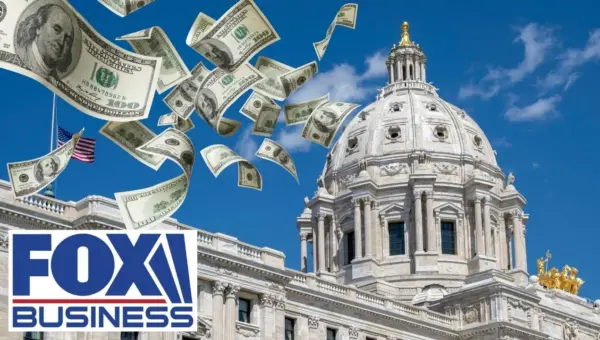
Tax Law Boosts Small Businesses with $7K Average Savings
A Trump-era tax law is providing significant financial relief to small businesses, with owners receiving an average of $7,000 in tax breaks. The legislation made a key deduction permanent and allows for 100% expensing of equipment, aiming to spur investment and job growth.
Senator Urges Fed Compliance, Cites ‘Enormous Uncertainty’
Senator Dave McCormick is urging the Federal Reserve to comply with a Justice Department request for documents related to cost overruns. He described the situation as a moment of "enormous uncertainty" and emphasized that the Fed is not above the law. The senator suggested transferring the investigation to the Banking Committee as a potential path forward.
Trump Administration Blocks Iran Ports Amid Nuclear Talks
The U.S. has tightened its naval blockade around Iran's ports, potentially violating a cease-fire as peace talks are being organized for next week. Concerns are mounting over the experience of the American negotiating team, led by Jared Kushner and Steve Witkoff, amid disagreements on a proposed 20-year nuclear moratorium. The situation remains tense as thousands of U.S. troops arrive in the region.