Israel Strikes Hezbollah Targets in Beirut Amid Escalating Tensions
Israel's military launched a significant wave of strikes targeting alleged Hezbollah infrastructure in Beirut, Lebanon, escalating cross-border hostilities. The airstrikes represent a substantial intensification of the conflict, raising concerns about potential civilian impact and broader regional instability.

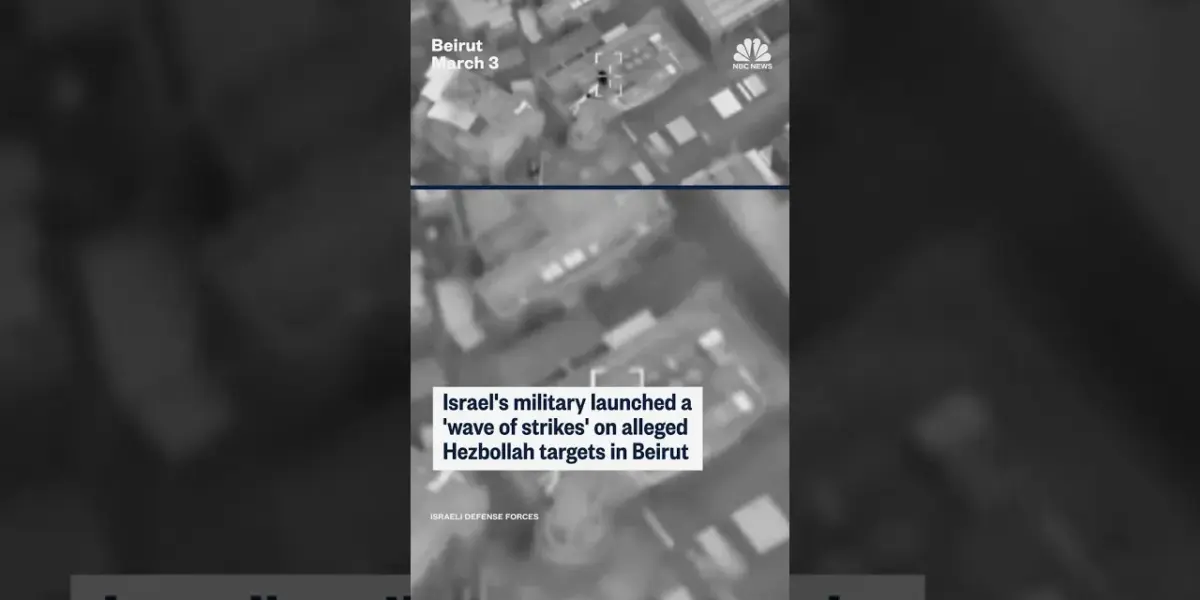
Israel Launches Airstrikes on Beirut, Targeting Alleged Hezbollah Sites
Israel’s military conducted a significant ‘wave of strikes’ targeting what it described as Hezbollah infrastructure in Beirut late Tuesday, escalating a conflict that has seen increasing cross-border hostilities. The strikes, which hit multiple locations across the Lebanese capital, are the latest in a series of retaliatory actions following ongoing rocket fire from Hezbollah into northern Israel. This latest development marks a substantial intensification of the conflict, raising concerns about a broader regional conflagration.
Context of Escalating Hostilities
The airstrikes come after weeks of escalating exchanges between Israel and Hezbollah, a powerful Lebanese militant group and political party. Since the outbreak of the Israel-Hamas war in Gaza on October 7, Hezbollah has engaged in near-daily cross-border attacks, firing rockets and drones into northern Israel.
Israel has responded with its own shelling and airstrikes on southern Lebanon. However, the targeting of Beirut represents a significant shift in the scope and intensity of Israeli operations.
Hezbollah’s Response and Civilian Impact
While the transcript does not contain specific details regarding Hezbollah’s immediate public response to the Beirut strikes or the extent of civilian casualties, such actions typically provoke strong condemnations and promises of retaliation from the group. The proximity of the strikes to populated areas in Beirut raises serious concerns about potential civilian harm and damage to infrastructure. International bodies often call for de-escalation and adherence to international humanitarian law in such situations, emphasizing the protection of civilians.
Broader Regional Implications
The conflict between Israel and Hezbollah is intrinsically linked to the wider geopolitical landscape of the Middle East. Hezbollah is a key ally of Iran, and its military capabilities are considered significant. Any major escalation involving Hezbollah could draw in other regional actors and further destabilize an already volatile region.
The United States, a key ally of Israel, has consistently warned against a wider conflict, while also providing military support to Israel. The targeting of Beirut could test diplomatic efforts to contain the conflict and prevent it from spiraling into a full-scale regional war.
What to Watch Next
The coming hours and days will be critical in determining the trajectory of this escalating conflict. All eyes will be on Hezbollah’s response, the potential for further Israeli military action, and the diplomatic efforts underway to de-escalate the situation.
The international community will be closely monitoring the impact on civilians and the potential for spillover into neighboring countries. The risk of a wider regional war remains a significant concern as tensions continue to rise.
Source: Israel's military launched a 'wave of strikes' on alleged Hezbollah targets in Beirut (YouTube)

Related Articles

Trump’s Troop Gambit: A Risky Mideast Play?
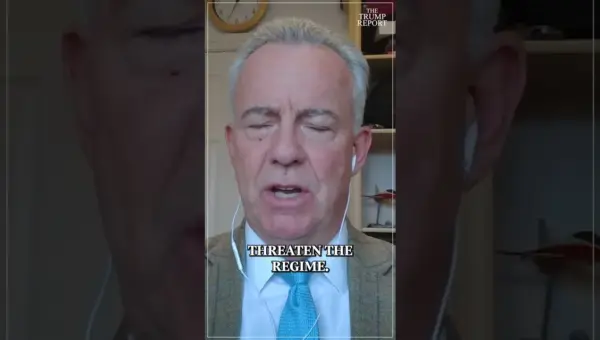
Reports of thousands of U.S. troops heading to the Middle East clash with President Trump's claims of an impending end to the war. This analysis explores the potential risks and high price of using ground forces as leverage, questioning if the President is prepared for the potential human and political costs.
Trump: Israel-Lebanon Talks Set for Today Amid Escalating Tensions
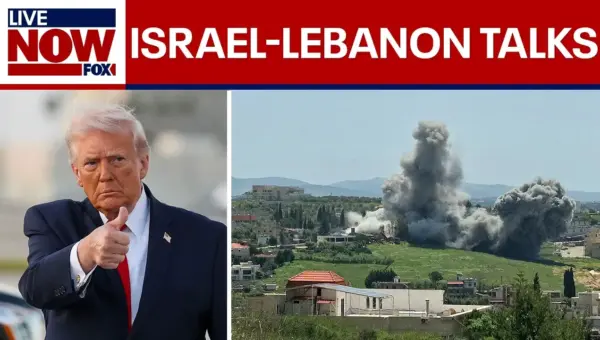
President Trump announced that Israel-Lebanon talks are set for today amid escalating Middle East tensions. The U.S. is also increasing economic pressure on Iran, while ongoing military operations continue in southern Lebanon. Diplomatic efforts face significant challenges due to Hezbollah's influence and Iran's nuclear program.

Pakistan Navigates Tehran’s Tense Diplomacy
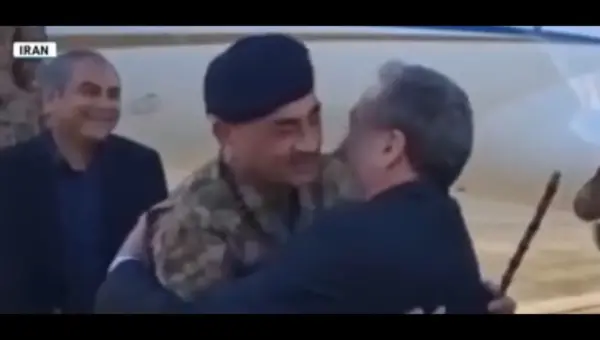
Pakistani officials are mediating talks between Iran and the US amid rising tensions, while the US also works to calm conflict between Israel and Lebanon over Hezbollah. Israel remains militarily prepared and committed to disarming Hezbollah.