Hungary Ousts Orban: New Leader Promises Regime Change
Hungary has elected Peter Magyar as its new Prime Minister, ending Viktor Orban's 16-year rule in a landslide victory. Magyar's center-right TISA party secured a supermajority, promising a "complete regime change" and a return to pro-European policies. Voters cited economic dissatisfaction and a desire for closer EU ties as key reasons for the shift.

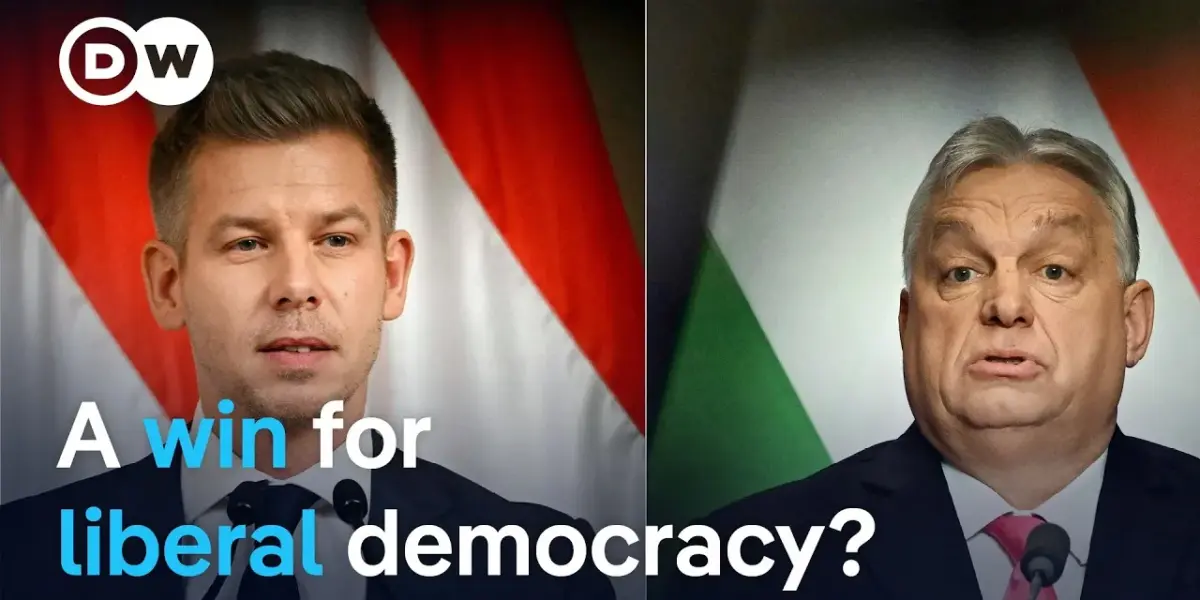
Hungary Elects New Leader, Ousting Longtime Prime Minister Orban
Budapest, Hungary – In a stunning election result, Hungarian voters have ended the 16-year rule of Prime Minister Viktor Orban. Peter Magyar and his center-right TISA party secured a landslide victory, winning the two-thirds majority needed to make significant constitutional changes. Supporters of Magyar celebrated the win late into the night in Budapest, while European stock markets reacted positively to the news of a pro-European leader taking power.
Magyar, speaking after the election, declared the vote a mandate for more than just a change in government. “We’ll do everything in our power to ensure that this truly marks the beginning of a new era,” he stated. “For the Hungarian people did not vote for a mere change of government, but for a complete regime change.” His victory marks a significant shift for Hungary after more than a decade and a half under Orban’s nationalist government.
Voters Cited Economic Woes and Desire for EU Ties
The election saw the highest voter turnout in Hungary since the fall of communism in 1989. Experts suggest the economy was a primary driver for voters. Stagnant wages, rising inflation, and the increasing cost of living have weighed heavily on Hungarians. While Orban’s government faced accusations of corruption for years, many voters tolerated it as long as they felt economically secure. That perception appears to have shifted.
Peter Magyar’s campaign is credited with mobilizing voters, especially by focusing on rural areas. He traveled extensively, visiting numerous villages and targeting regions that previously supported Orban’s Fides party. This grassroots approach is seen as key to his impressive victory.
Many Hungarians also expressed a strong desire to reconnect with the European Union. Billions of euros in EU funds had been frozen due to concerns about Hungary’s democratic standards under Orban. “For me, it is very important that we work intensively with the new Hungarian government on funds that have to be delivered, reforms that have to be delivered,” said one EU official. “Because the Hungarian people deserve it.”
EU Welcomes Shift, Hopes for End to Orban’s Veto Power
The European Union reacted with enthusiasm to Magyar’s win. EU officials hope this marks the end of Hungary’s role as an obstacle within the bloc, a position often held by Orban. Orban frequently clashed with Brussels, blocking decisions on issues ranging from sanctions against Russia to the EU budget. “Hungarians are reclaiming a European path,” stated European Commission President Ursula von der Leyen.
However, the election result is not universally celebrated. Orban retains allies within the EU, and other populist and far-right groups will likely study this outcome. The failed attempt by U.S. Vice President JD Vance to support Orban’s re-election was also noted as a significant event, highlighting international involvement in Hungarian politics.
Magyar Faces Challenges: Economy, Russia, and EU Reforms
Magyar’s new government faces immediate challenges. The EU expects swift action on anti-corruption reforms, including strengthening judicial independence. Unblocking frozen EU funds, such as a 90 billion euro loan for Ukraine and new sanctions against Russia, will be high priorities.
Hungary’s reliance on cheap energy from Russia presents a complex issue. While the incoming foreign minister supports diversifying energy sources, Hungary’s dependence on Russian fossil fuels has increased. Experts believe phasing out Russian energy by the EU’s 2027 deadline may be unrealistic for Hungary, potentially requiring an extension request.
The relationship with Russia is expected to undergo a significant change. While pragmatic contacts will continue, the dynamic is likely to shift. “I think that will be a cold but slow divorce,” noted one analyst regarding Hungary’s future ties with the Kremlin.
Is Magyar a True Break from Orban’s Legacy?
Questions remain about how different Peter Magyar truly is from Viktor Orban. Both men have roots in Hungary’s conservative political landscape. Magyar himself is a former insider of Orban’s Fides party, having been married to a former Fides minister. Some analysts describe Magyar as a pragmatic “political entrepreneur” focused on achieving results rather than strict ideology.
Magyar has promised to uphold the equal rights of all citizens, suggesting he may address issues like discrimination against the LGBTQ community. However, immediate focus is expected on economic reforms, fighting corruption, and restoring Hungary’s relationship with the EU and the wider Western alliance.
Despite the election loss, Viktor Orban remains a significant political figure with a base of 2.5 million voters. He is expected to remain active in politics, potentially seeking a return in the future or capitalizing on any missteps by the new government.
Russia’s Influence and the Future of European Politics
The election outcome also signals a potential shift in Russia’s influence in Europe. With Orban’s defeat, Moscow loses a key ally. Analysts believe Russia may increase its efforts in other countries, adjusting its playbook for hybrid influence operations.
The election of Peter Magyar is seen by many as a victory for democracy and a return to the European mainstream for Hungary. However, the path ahead involves navigating complex economic ties, foreign policy challenges, and the significant task of reforming a system shaped by Orban’s long tenure. The coming months will be crucial in determining whether Magyar can deliver on his promise of a new era for Hungary.
Source: How do Peter Magyar's politics differ from Orban's right-wing populism? | DW News (YouTube)

Related Articles


Hungary’s Orban Out: EU Hails New Era, But Challenges Remain
Hungary's election of Peter Magyar has brought relief to Brussels, signaling a potential end to Viktor Orban's 16-year blockade of EU decisions. While hopes are high for improved relations and cooperation, particularly regarding Ukraine and migration, challenges remain in dismantling Orban's established system and translating hope into lasting change.

Trump’s Jesus Post Sparks Outrage, Iran Tensions Rise
Donald Trump deleted a controversial 'Jesus' post amid backlash, while a US naval blockade of the Strait of Hormuz escalates tensions with Iran and China. Meanwhile, Hungary sees a change in leadership, ousting a pro-Putin prime minister.
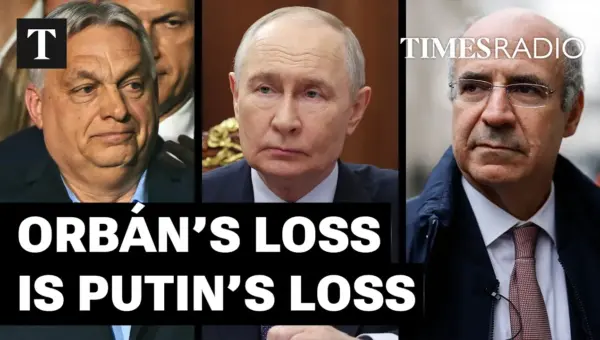
Hungary Votes No to Putin: Orban’s Loss Hailed as Western Victory
Hungary has delivered a significant blow to Vladimir Putin by voting against Viktor Orbán's pro-Russia policies. Sir Bill Browder hailed the election as a Western victory, noting Orbán's role as Putin's key EU ally. The article also discusses covert Russian operations targeting undersea cables as a new front in asymmetric warfare.