Trump’s Iran Brinkmanship: A Dangerous Game of Words
Senator JD Vance's failed negotiations with Iran led to Donald Trump's strong social media reaction, including threats of blockading the Strait of Hormuz. The commentary questions the logic of Trump's proposed actions and suggests a pattern of using scapegoats for political gain. This approach carries significant implications for global stability and U.S. foreign policy.

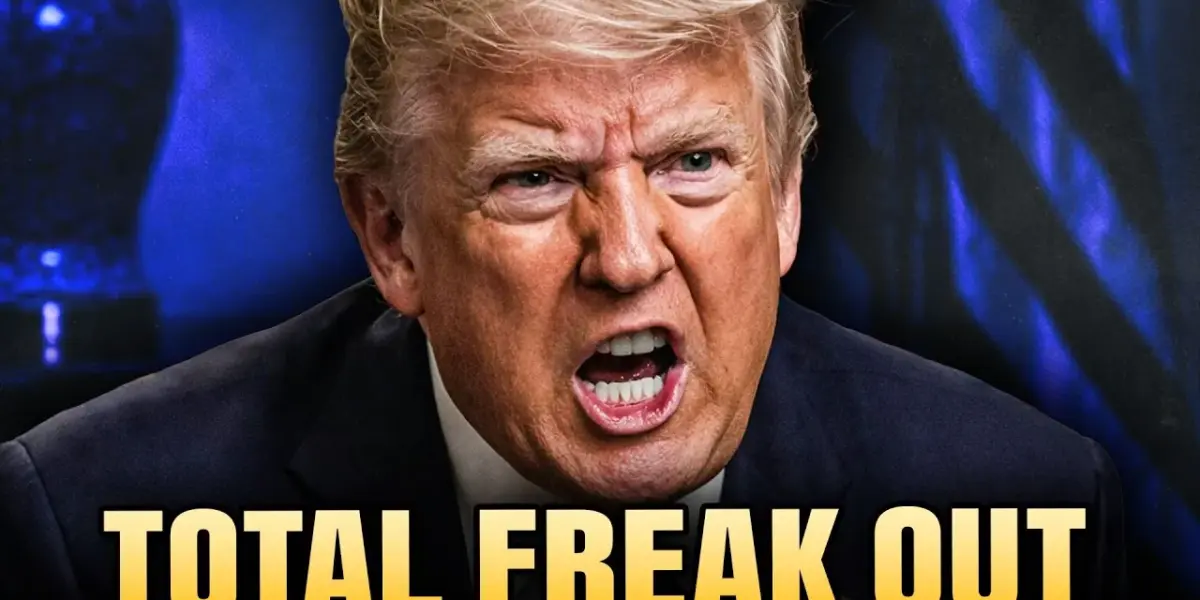
Trump’s Iran Brinkmanship: A Dangerous Game of Words
Senator JD Vance recently returned from Pakistan after attempting to negotiate an end to a tense situation with Iranian leaders. The talks, lasting 21 hours, did not yield the desired results. Vance acknowledged the failure, stating, “We couldn’t get it done.” This outcome, while disappointing, was perhaps expected, setting Vance up for a difficult position. Donald Trump, not one to shy away from expressing his opinions, took to social media to voice his displeasure and outline his own proposed actions.
Trump’s statement suggested that while most points in the negotiation were agreed upon, the crucial nuclear issue remained unresolved. He then declared that the United States Navy would begin blockading ships entering or leaving the Strait of Hormuz. His intention was to eventually reach a point where all ships could freely pass. However, he claimed Iran’s mere suggestion of potential mines in the area prevented this. Trump characterized this situation as “world extortion,” criticizing Iran’s actions.
The analysis presented in the video questions the logic of Trump’s proposed blockade. It points out that if the Strait of Hormuz is already effectively blockaded by Iran, then the U.S. Navy attempting to blockade it as well would be redundant. This move, according to the commentary, doesn’t change the existing reality and may even make the U.S. appear less effective. The idea is that declaring a blockade on an already restricted waterway is like adding a meaningless gesture to an already bad situation, offering no real solution and potentially looking foolish to the rest of the world.
Historical Context and Trump’s Approach
This situation draws parallels to other geopolitical actions. The commentary compares Trump’s approach to controlling the Strait of Hormuz to Russia’s actions in Ukraine. It suggests that Trump is entering a “Putin era,” characterized by a desire to assert control over territories and resources where the U.S. may have no inherent claim. The video also briefly touches on other perceived instances of Trump asserting dominance, such as his involvement with Venezuela and his interpretation of awards or prizes.
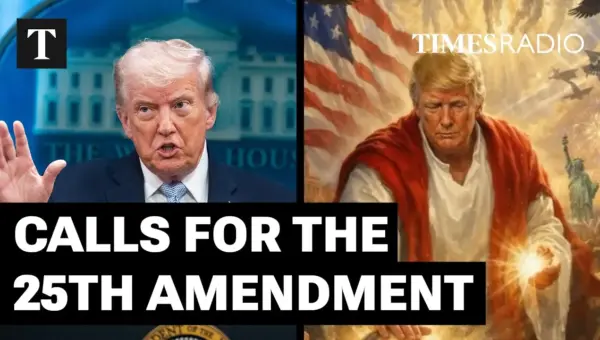
The narrative suggests that Trump views himself in an almost messianic light, comparing him to Jesus Christ and stating that he is “truly beyond gone.” This perspective frames Trump’s actions and rhetoric as driven by a profound sense of self-importance and a desire for absolute control. The commentary implies that this mindset fuels his aggressive stance on international issues.
The Scapegoat Strategy
A significant point raised is the idea that Trump intentionally set JD Vance up for failure. By assigning Vance the difficult task of negotiating with Iran, Trump allegedly created a situation where Vance’s inevitable failure could serve as a convenient scapegoat. The commentary argues that Trump then used his social media platform to blame Vance, effectively throwing him “under the bus.” This strategy, according to the analysis, allows Trump to avoid direct responsibility for the lack of progress while appearing decisive by proposing his own forceful solutions.
This tactic of assigning blame and creating scapegoats is presented as a recurring theme in Trump’s political approach. It allows him to maintain a narrative of strength and control, even when faced with setbacks. By pointing fingers at others, he deflects criticism and solidifies his image as the one who would have succeeded if not for the failures of those around him.
Why This Matters
The implications of this type of rhetoric and action are significant. When a global leader makes threats of military blockades and escalates tensions through strong public statements, it can have far-reaching consequences. It can destabilize international relations, impact global trade, and increase the risk of conflict. The commentary suggests that Trump’s approach, characterized by aggressive posturing and the use of scapegoats, is not conducive to stable diplomacy.
Furthermore, the analysis raises concerns about the perception of American leadership on the world stage. If U.S. foreign policy is perceived as erratic, driven by personal vendettas, or reliant on empty threats, it can erode trust and alliances. The commentary implies that such actions make the U.S. appear less reliable and more unpredictable, potentially emboldening adversaries and alienating allies.
Future Outlook
The future outlook based on this analysis is one of continued tension and unpredictability in international affairs involving the U.S. The commentary suggests that Trump’s “Putin era” approach, marked by assertive control and a willingness to challenge existing norms, is likely to persist. This could lead to ongoing friction with other global powers and a more volatile geopolitical environment.
The effectiveness and consequences of such aggressive tactics remain a subject of debate. While they may appeal to a certain segment of the population seeking strong leadership, they also carry substantial risks. The commentary underscores the importance of considering the long-term impact of such rhetoric and actions on global stability and American standing in the world. The need for clear, consistent, and diplomatic approaches to foreign policy is paramount in navigating complex international challenges.
Source: Trump RAGES, Threatens To ‘BLOW’ Iran Apart (YouTube)

Related Articles
Iran Strait Blockade Risks Global Confidence, General Warns
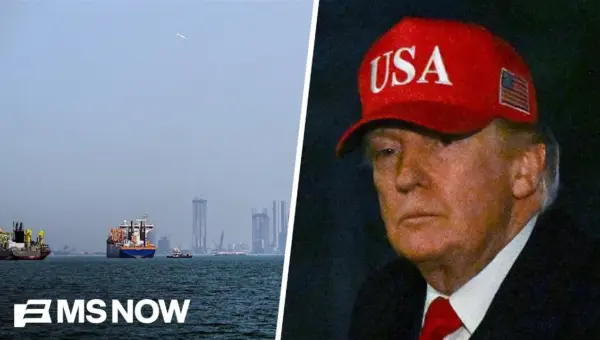
Retired Army General David Petraeus warns that Iran's actions in the Strait of Hormuz could cripple global shipping confidence. U.S. forces are working to clear mines, but restoring trust among energy companies is paramount. The situation highlights the complex challenges of maritime security and international diplomacy.

Trump’s Messiah Complex: Experts Question Health, Faith
Former President Donald Trump's posting of a "Jesus" image and his refusal to apologize to Pope Francis have sparked outrage and renewed questions about his mental state. Experts criticize his "messianic" behavior, warning it could lead to dangerous situations and alienate voters.
Pope Challenges Trump’s Grip on Narrative
A surprising public confrontation has erupted between former U.S. President Donald Trump and Pope Francis. Trump's provocative social media posts and AI-generated religious imagery clashed with the Pope's calm, value-based response. This incident highlights differing styles of leadership and the complex intersection of faith, politics, and digital media.