Mysterious Scientist Disappearances Spark National Security Fears
Several scientists linked to government work have vanished or died under mysterious circumstances, sparking a high-level investigation. Congress is demanding answers as fears grow about potential national security threats. Investigators are exploring connections between projects and possible foreign interference.

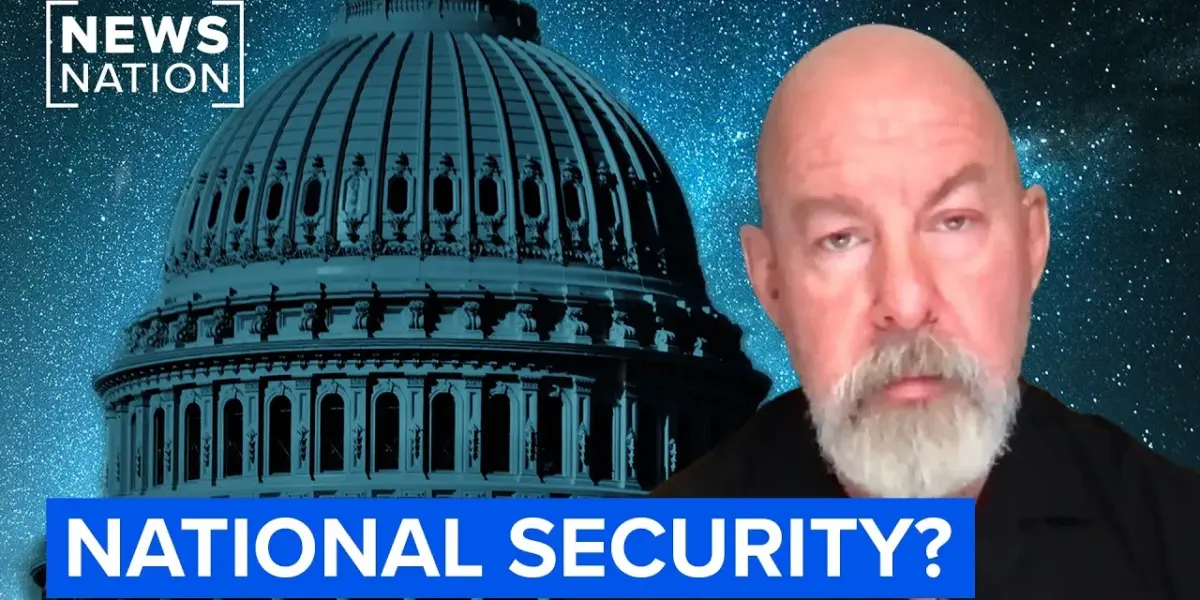
Mysterious Scientist Disappearances Spark National Security Fears
Several scientists with ties to government projects have recently vanished or died under strange circumstances, prompting a high-level investigation and raising serious national security concerns. Congress is now demanding answers, seeking briefings from agencies tasked with uncovering the truth behind these unsettling events.
The disappearances and deaths are not isolated incidents, according to reports. Investigators are looking into whether these individuals, who worked in sensitive scientific fields, had any connections beyond their shared expertise. The focus is on understanding if their work on specific projects could link them together, potentially pointing towards a wider, coordinated effort.
Investigative Angles Explored
Former FBI Special Agent Jonathan Gilliam explained the thorough approach investigators will take. They must first determine if there’s any link between the missing individuals, considering not just their scientific fields but also the specific projects they worked on. Were these projects connected to a particular technology or government service?
Beyond project connections, investigators are examining unreported contact with foreign services. They are also scrutinizing potential insider threats within the agencies or locations where these scientists worked. This broad approach aims to leave no stone unturned in piecing together the puzzle.
A particularly striking detail emerged: some of these scientists were reportedly called to testify before Congress. This fact alone has led to speculation about whether individuals connected to Congress might have identified these scientists and shared that information with foreign entities. Every avenue, no matter how sensitive, must be explored to understand if these are coincidences or something more sinister.
Presidential Awareness and Pressure
The gravity of the situation has reached the highest levels, with President Trump being briefed on the ongoing investigations. His acknowledgment of the seriousness of the matter adds pressure on the agencies to provide definitive answers. The President himself noted that some of these individuals were very important people, highlighting the potential impact of their absence.
When a case reaches the presidential level, it naturally intensifies the scrutiny and demands for quick resolution. However, Gilliam suggests that investigators will likely first focus on ruling out suspicious circumstances for individual cases. This might involve quickly identifying those who died of natural causes, though suicide also remains a possibility until definitively disproven.
Challenging Cases and National Security Implications
Some cases present unique challenges. For instance, the disappearance of General McCaslin in New Mexico, where his wife suggested he might not have intended to be found, is peculiar.
Another case involves Monica Reza, who vanished while hiking in California the year prior. Both individuals reportedly worked together on certain government programs, making their cases a starting point for investigators to establish or rule out connections.
The fact that these cases are not primarily being highlighted by law enforcement, but rather through other channels, adds another layer of intrigue. The core concern for investigators like Gilliam lies in the fact that these individuals were either directly employed by or contracted to the government, working in critical scientific areas. This combination points to a potential national security issue, which is the most alarming aspect for those involved in the investigation.
Why This Matters
The disappearance and potential harm to scientists working on sensitive government projects represent a significant threat to national security. These individuals possess specialized knowledge and expertise crucial for technological advancement and defense. Their absence, especially if due to hostile foreign action, could compromise ongoing research, development, and national security initiatives.
Understanding the circumstances surrounding these cases is vital for preventing future incidents. It highlights the need for robust security protocols, thorough background checks, and continuous monitoring of personnel involved in sensitive government work. The investigation’s outcome will shape how such threats are perceived and managed moving forward.
Historical Context and Future Outlook
Throughout history, nations have sought to gain an advantage through scientific and technological superiority. The potential for foreign adversaries to target or recruit scientists working on cutting-edge projects is a recurring theme in intelligence matters. This current situation echoes past concerns about espionage and the protection of intellectual property in critical scientific domains.
The future outlook depends heavily on the findings of the ongoing investigations. If connections are established and foreign involvement is confirmed, it could lead to increased diplomatic tensions and a reevaluation of security measures for government contractors and employees. Conversely, if these are isolated incidents, the focus will shift to understanding the individual circumstances and ensuring better support for scientists facing personal or professional challenges.
The investigation into the missing and deceased scientists is ongoing, with agencies working to connect the dots and provide clarity on these troubling events. The public awaits answers regarding the safety of these individuals and the potential implications for national security.
Source: Congress asks for briefings on missing and dead scientists: What we know (YouTube)

Related Articles

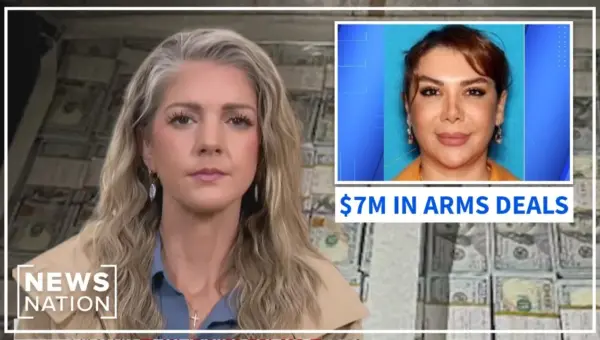
US Arrests Woman Suspected of Arming Iran’s Global Operations
A Los Angeles woman, Shamima Mafia, has been arrested and accused of brokering illegal arms deals for Iran. Authorities claim she facilitated the sale of Iranian-made weapons and ammunition, allegedly destined for Sudan, generating millions in payments. The case highlights the difficulties in tracking international arms trafficking networks.

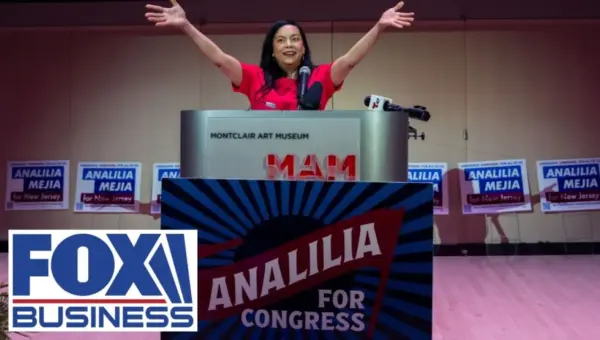
Democrat Sworn In, Bolstering House Representation
Anna Lillia Mejia was sworn into the 119th Congress, representing New Jersey's 11th District. Her swearing-in highlighted a victory rooted in grassroots organizing and a commitment to working families and young people. The House also passed legislation on disaster reporting and observed moments of silence for notable figures and tragic events.
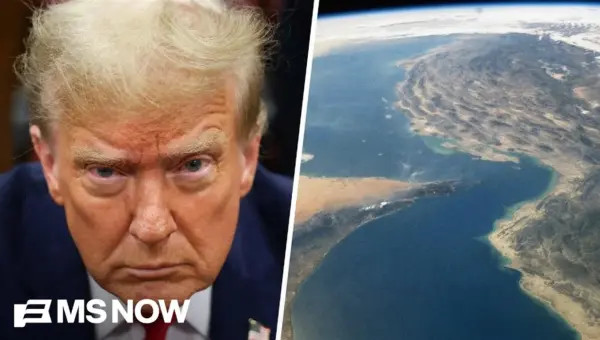
Iran Conflict: Trump’s Desperation Fuels Iranian Confidence
Retired four-star general Barry McCaffrey and Middle East expert Stephen Cook suggest President Trump's approach to Iran has emboldened the nation, making it feel in control of the Strait of Hormuz. This perception, coupled with domestic political pressure on Trump, creates a complex situation for U.S. foreign policy and global economic stability. The experts also raise concerns about the lack of a coherent national security process and the impact on negotiations.