Trump’s ‘Shield of America’ Event: A Spectacle of Bravado and Misinformation
Donald Trump's "Shields of America" event was marked by claims of an Iranian surrender, aggressive missile rhetoric, and cultural insensitivity. The analysis explores the geopolitical and economic implications of his pronouncements, contrasting them with intelligence reports and historical context.

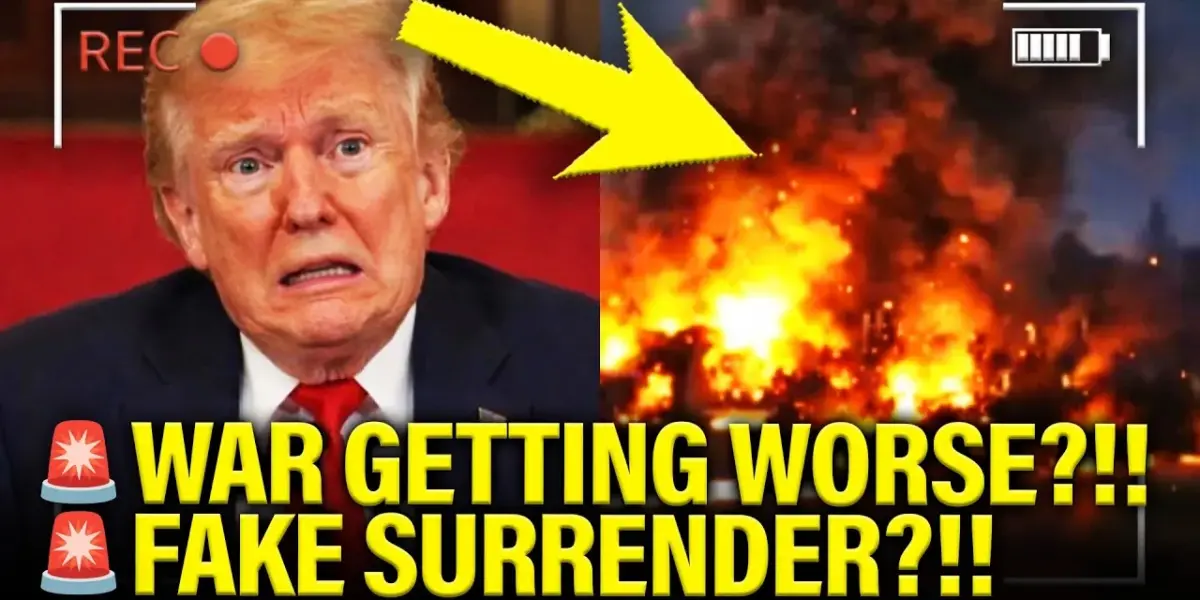
Trump’s ‘Shield of America’ Event: A Spectacle of Bravado and Misinformation
Donald Trump recently convened a gathering at his Doral, Florida resort, an event he dubbed the “Shields of America.” The assembly, intended to draw leaders from South and Central American nations, reportedly saw a limited turnout. However, the real spectacle lay not in the attendance, but in Trump’s pronouncements and the surrounding narrative, which, according to critical analysis, was steeped in a potent mix of exaggerated claims, historical revisionism, and a peculiar blend of aggressive rhetoric and cultural insensitivity.
A Fabricated Iranian Surrender and a Missile Fetish
Prior to the Doral event, Trump took to social media with a claim that Iran had surrendered. This assertion, widely disputed by available evidence, painted a picture of an Iran utterly defeated and grateful to Trump. “Iran, which is being beat to hell, has apologized and surrendered to its Middle East neighbors and promised that it will not shoot at them anymore,” Trump posted.
This statement stands in stark contrast to ongoing reports of Iranian actions in the region, including drone strikes in Saudi Arabia and missile attacks near Dubai and Bahrain. Iran’s stated position, as reported, was a conditional cessation of attacks: they would cease targeting neighboring countries if those countries did not assist the United States against Iran. This nuanced, albeit hostile, stance was evidently overshadowed by Trump’s sweeping declaration of surrender.
During the “Shields of America” event, Trump’s rhetoric took a militaristic turn, emphasizing the destructive capabilities of American missiles. He reportedly stated, “We’ll use missiles.
If you want us to use a missile, they’re extremely accurate. Right into the living room.” This “pew pew” style of vocalizing missile launches, as described by observers, underscored a concerning normalization of extreme violence and a seemingly casual approach to military action.
Cultural Clumsiness and a Reinvention of Doctrine
The event was further marred by instances of cultural insensitivity. Trump’s reported declaration to the gathered Latin American leaders, “I’m not learning your damn language.
I don’t have time,” accompanied by a dismissive attitude towards interpreters, highlighted a disregard for diplomatic norms and cultural respect. This was echoed by Treasury Secretary Pete Hegseth, who, when asked about speaking Spanish, stated, “I only speak American.” This linguistic assertion, particularly in a gathering aimed at fostering hemispheric relations, was seen by critics as both arrogant and counterproductive.
Adding to the event’s unique branding, the soundtrack reportedly featured a remake of Sinead O’Connor’s rendition of Prince’s “Nothing Compares 2 U.” Given O’Connor’s past criticisms of both Israel and the Trump administration, the choice of music was viewed by some as an ironic or even bizarre selection, further contributing to the event’s peculiar atmosphere.
The event introduced the “Trump corollary of the Monroe Doctrine,” or the “Donro Doctrine.” This initiative, as explained by officials present, aimed to shift the focus of American foreign policy from distant regions back to the Western Hemisphere. While ostensibly about regional security, the underlying message of assertive American dominance in its own backyard was palpable.
Economic Ripples and Geopolitical Maneuvering
The analysis also draws connections between Trump’s foreign policy pronouncements and the global economic landscape. The report notes a surge in diesel prices, reaching record highs, and significant weekly increases in general gas prices.
These economic pressures are juxtaposed with Iran’s actions in the Strait of Hormuz, a critical chokepoint for global oil and gas transport. Iran’s Revolutionary Guard reportedly issued a challenge to US forces, daring them to escort ships through the strait, a move that could further destabilize energy markets.
In a complex geopolitical maneuver, the transcript suggests that the Trump administration had removed sanctions on Russia, allegedly enabling Russia to sell oil and fund its war in Ukraine. This action, it is argued, represents a significant gain for Russia and China, who are purportedly assisting Iran in identifying US targets. This alleged linkage between sanctions relief, energy markets, and support for adversaries like Russia and Iran paints a picture of a foreign policy that, intentionally or not, benefits geopolitical rivals.
The transcript also touches upon the economic impact within the United States, citing recent negative job reports and suggesting that Trump’s policies are detrimental to the American economy. This critique is interwoven with the broader narrative of his foreign policy decisions, implying a dual failure in both domestic and international spheres.
Intelligence and Inconvenient Truths
The analysis critically examines Trump’s claims regarding Iran’s weakened state and the potential for regime change. It references intelligence reports from the Washington Post, New York Times, and Wall Street Journal, which reportedly cast doubt on the feasibility of Iran’s fragmented opposition seizing power following a US military campaign. These intelligence assessments suggest that Iran’s established clerical and military structures would likely maintain continuity of power, contradicting Trump’s declared plan to dismantle the existing leadership and install a ruler of his choosing.
The report also touches upon a perceived reluctance from US intelligence agencies, including the FBI, to release reports detailing a heightened risk of terrorist attacks in the United States stemming from Trump’s actions in the Middle East. This alleged suppression of information is attributed to a desire by Trump and his associates to avoid publicizing potentially negative consequences of his foreign policy decisions.
Historical Context and a Pattern of Rhetoric
The “Shields of America” event and Trump’s pronouncements can be viewed within a broader pattern of his political career. His emphasis on military strength, his willingness to challenge established diplomatic norms, and his often-controversial rhetoric concerning foreign leaders and nations are recurring themes. The “Donro Doctrine,” for instance, echoes historical American foreign policy doctrines, albeit with a distinctly Trumpian, nationalistic twist.
His interactions with leaders, such as his comments about the Mexican president being a “beautiful woman” with a “beautiful voice,” and his subsequent, albeit framed as a joke, suggestion of invading Mexico to combat cartels, highlight a style that blends personal remarks with aggressive policy statements. This approach, while resonating with some supporters, often draws criticism for its lack of decorum and potential to inflame international tensions.
The reference to the 1987 incident involving the American supertanker Bridgton in the Strait of Hormuz is a historical reminder of the volatility of the region and the potential consequences of escalating tensions with Iran. Trump’s framing of this historical event within his current geopolitical narrative highlights the complex and often fraught history of US-Iran relations.
Why This Matters
The “Shields of America” event, as presented, was more than just a political rally; it was a microcosm of Donald Trump’s approach to foreign policy and national security. The combination of aggressive military posturing, unsubstantiated claims, and cultural insensitivity raises significant questions about the stability and predictability of American foreign relations under his potential leadership. The event’s messaging, particularly concerning Iran and Russia, suggests a foreign policy that, if implemented, could have far-reaching geopolitical and economic consequences, potentially exacerbating global conflicts and destabilizing energy markets.
Implications, Trends, and Future Outlook
The “Shields of America” gathering and the accompanying rhetoric signal a potential trend towards a more isolationist yet assertively dominant foreign policy. The emphasis on the Western Hemisphere, coupled with a dismissive attitude towards international cooperation and cultural understanding, suggests a future where alliances may be strained and diplomatic engagement reduced. The alleged intelligence reports highlighting risks and potential negative outcomes, if true, point to a concerning disconnect between policy decisions and expert analysis.
This disconnect could lead to miscalculations with severe consequences, both domestically and internationally. The economic repercussions, particularly concerning energy prices and the broader stability of global markets, are also significant indicators of the real-world impact of such foreign policy stances.
Source: Trump PANICS in AM and FAKES SURRENDER in WAR (YouTube)

Related Articles
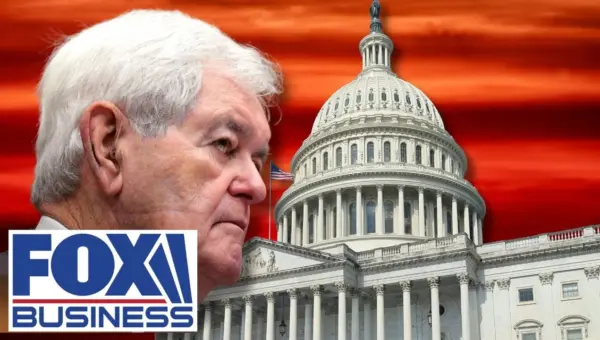
Trump’s Iran Stance Could Define Election
A strong stance on Iran's nuclear ambitions is emerging as a critical election issue, with critics arguing Democrats are misjudging Donald Trump's assertive strategy. The potential threat of Iranian nuclear weapons is presented as a direct danger to American cities, demanding immediate action. This foreign policy debate is seen as potentially overshadowing traditional Republican platforms like the economy.
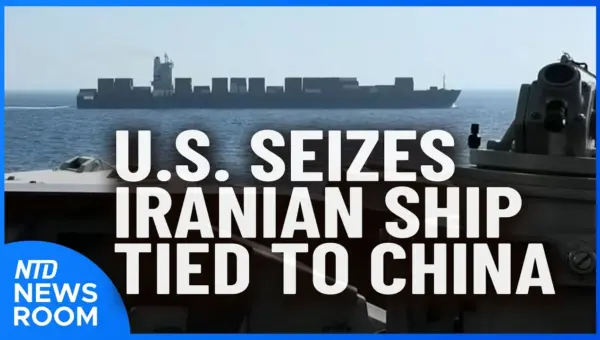
US Seizes Iran Ship, Signals Tough Stance on Tehran
The US has seized an Iranian ship tied to China, signaling a tough stance on Tehran. This action, coupled with a naval blockade, aims to curb Iran's regional influence and nuclear ambitions. China's complex role and global ambitions remain a key factor in the ongoing geopolitical struggle.
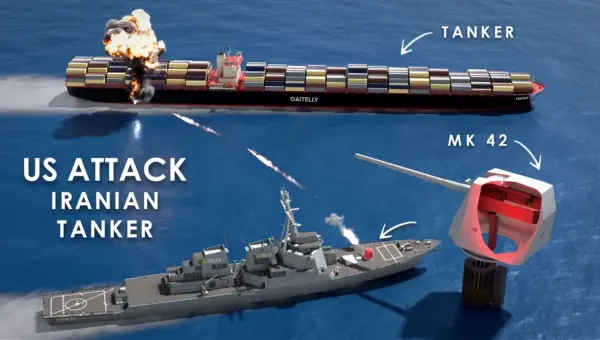
Marines Seize Iranian Ship With Naval Gun Attack
The U.S. Navy recently disabled an Iranian container ship, the Tuska, with precise gunfire from the USS Spruance. U.S. Marines then boarded and seized the vessel. This operation highlights advanced naval capabilities and enforcement tactics.