Trump Eyes Cuba After Iran: Is Regime Change Imminent?
President Donald Trump has intensified pressure on Cuba, signaling a potential shift in U.S. foreign policy focus. Economic sanctions and an energy blockade have crippled the island's infrastructure, leading to severe power outages and widespread hardship. Analyst Will Freeman suggests the nation faces its deepest economic crisis in decades, while also noting the potential for cosmetic changes by the regime amidst calls for reform.

Trump Signals Renewed Focus on Cuba Amidst Economic Hardship
In a notable shift of attention following the prolonged US-Israel conflict involving Iran, U.S. President Donald Trump has publicly stated his intention to address the situation in Cuba. Trump’s remarks, which suggest an imminent fall for Cuba’s communist government, come at a critical juncture for the island nation, which is currently grappling with severe economic challenges exacerbated by U.S. sanctions.
Sanctions Tighten Grip on Cuban Economy
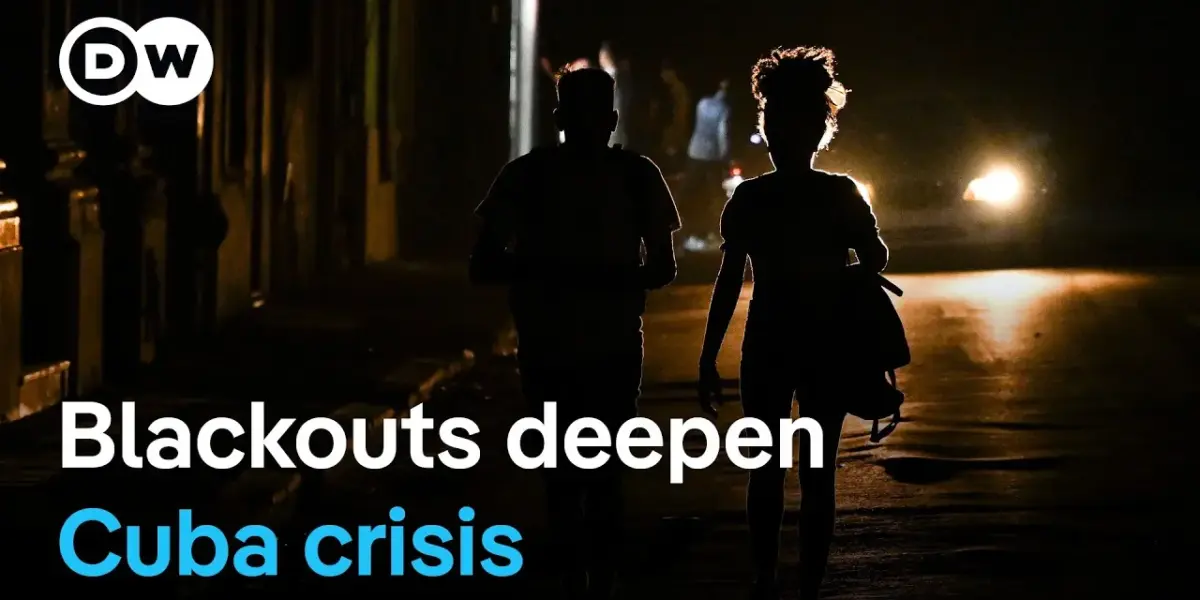
The Trump administration has intensified pressure on Cuba through an energy blockade implemented in January, adding to the existing long-standing U.S. Trade embargo. This dual pressure has significantly impacted Cuba’s struggling economy, leading to widespread and severe power outages. Havana has officially accused the Trump administration of deliberately attempting to sabotage its economic infrastructure.
Analysis: A Regime Under Unprecedented Pressure
Will Freeman, a fellow for Latin America studies at the Council on Foreign Relations, offered insights into the current state of affairs in Cuba during an interview with DW News. Freeman characterized the situation as potentially the deepest economic crisis the nation has faced not only since the 1990s but possibly since the 1930s. He noted that while the U.S. has predicted the fall of the Cuban regime numerous times in the past without success, the current circumstances appear particularly dire.
“We are looking at potentially the deepest economic crisis not only since the 1990s… But actually since the 1930s.”
Energy Crisis Deepens as Venezuelan Oil Supply Dries Up
A key factor contributing to Cuba’s current predicament is the disruption of its primary fuel import source: Venezuela. With the political turmoil and changing U.S.-Venezuela relations, oil shipments from Caracas have ceased.
Mexico, which had continued to supply oil for a period, also halted shipments under threat of secondary sanctions from the Trump administration. This has left Cuba on the brink of a total energy grid collapse, with reports of prolonged and severe blackouts in Havana so intense that residents can observe stars in the night sky.
Hardship for Average Cubans and Military’s Role
The economic strain directly affects the daily lives of ordinary Cubans, who continue to endure extreme hardship. Freeman highlighted that the situation cannot be analyzed in isolation from the country’s authoritarian political system, which has, for the past two decades, modeled the economy to benefit a select group of military and civilian rulers. He emphasized the significant political power wielded by the military in Cuba, describing it as the ultimate decision-maker.
Marco Rubio’s Influence on Cuba Policy
President Trump’s comments have also drawn attention to the role of Secretary of State Marco Rubio, whose parents are Cuban immigrants. Freeman suggested that Rubio plays a highly influential role in the administration’s Western Hemisphere policy, particularly concerning Cuba. Given Rubio’s deep knowledge and personal connection to the issue, he is often seen as a key figure shaping the White House’s approach toward the island.
Whispers of Negotiations and Resistance to Change
Reports have surfaced regarding alleged negotiations between certain figures within the Cuban regime and the Trump administration, though Havana officially denies these claims. Freeman expressed confidence in the credibility of these reports, suggesting that they may hinge on the ability of parties to reach an agreement.
He noted that a segment of the Cuban population and elite has benefited immensely from the current unequal economic and political system and may resist significant reforms that threaten their privileges. The potential consequences for those in power, should political change occur, could range from imprisonment to exile, mirroring historical patterns in Latin America.
Public Sentiment: A Desire for Change Amidst Uncertainty
Assessing public opinion in Cuba is inherently challenging due to the authoritarian nature of the regime and the lack of reliable polling. However, anecdotal evidence and observable trends suggest a widespread consensus favoring economic change and reform.
While a strong majority is likely in favor of greater openness and democracy, there may be a minority, particularly among older generations, who perceive risks associated with such political shifts. The massive protests in July 2021 and the subsequent emigration of approximately 2 million Cubans since 2021 serve as powerful indicators of deep-seated discontent and a desire for a different future.
Forecasting Cuba’s Path Forward
Looking ahead, Freeman speculated that the Cuban regime might attempt cosmetic changes, such as reshuffling leadership positions, potentially sacrificing figures like the current leader Miguel Diaz-Canel. This could be a tactic to mirror the perceived political shifts in Venezuela and present an appearance of alignment with U.S. Demands.
However, Freeman anticipates that the United States will push for more substantive reforms, likely beginning with economic liberalization and the establishment of a genuine private sector, followed by demands for a political transition. The Cuban military is expected to fiercely resist any changes that could diminish its power and influence.
The situation in Cuba remains fluid, with significant pressure from the U.S. and internal economic turmoil creating a complex environment. Future developments will likely depend on the interplay between external pressures, the regime’s response, and the enduring aspirations of the Cuban people for change.
Source: After Iran, will Cuba be next on Trump's agenda? | DW News (YouTube)

Related Articles
Trump’s Iran Stance Could Define Election
A strong stance on Iran's nuclear ambitions is emerging as a critical election issue, with critics arguing Democrats are misjudging Donald Trump's assertive strategy. The potential threat of Iranian nuclear weapons is presented as a direct danger to American cities, demanding immediate action. This foreign policy debate is seen as potentially overshadowing traditional Republican platforms like the economy.

Trump Threatens Iran as Peace Talks Face New Hurdles
President Trump has renewed threats against Iran, demanding a deal by Wednesday amid escalating tensions and a looming ceasefire deadline. Peace talks in Islamabad face uncertainty as Iran's participation remains undecided. The conflict is impacting energy prices and public opinion, with a new poll showing declining approval for President Trump and growing concerns about inflation and the war.

Trump’s Tariffs Declared Unconstitutional; Government Repays Billions
The U.S. government is returning $166 billion after the Supreme Court ruled Trump-era tariffs unconstitutional. This landmark decision allows businesses to recoup costs from duties deemed unlawful. The repayment signals a significant financial relief and a potential shift in future trade policy implementation.