Trump Vows Free Flow of Oil as Iran Faces Unprecedented Chaos
The U.S. is vowing to keep the Strait of Hormuz open for global commerce amidst unprecedented internal chaos within Iran following its Supreme Leader's death. Experts highlight Iran's potential economic suicide if it disrupts oil flows, emphasizing that the U.S. military is prepared and has historical precedent for ensuring passage.

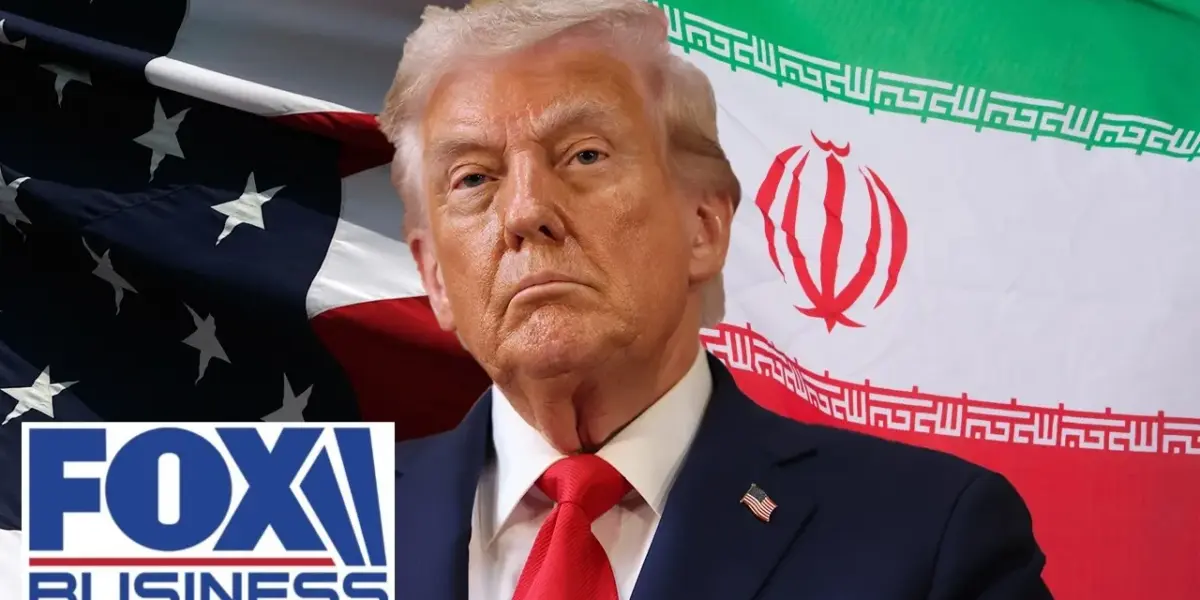
US to Ensure Hormuz Strait Remains Open Amidst Iranian Turmoil
In a strong assertion of American resolve, President Trump has declared that the United States will guarantee the free flow of commerce through the critical Strait of Hormuz, a move designed to counter Iran’s potential threats to global energy supplies. This declaration comes as Iran grapples with what former U.S. Army intelligence expert Brett Velicovich describes as “unprecedented chaos” within its leadership and governance structure, particularly following the recent death of its Supreme Leader.
Regime Instability Fuels Global Economic Concerns
The death of Iran’s Supreme Leader, an event that sent shockwaves through the regime’s centralized power structure, has exposed significant vulnerabilities. Velicovich highlighted that the regime’s attempts to project strength are being undermined by internal uncertainty and rumors surrounding the health and appearance of the potential new Supreme Leader. “When a leader of the regime thriving on projecting power suddenly disappears from public view and rumors start to swirl about injuries, it exposes vulnerability at the very top,” Velicovich stated.
This internal turmoil is occurring at a time when Iran has historically used threats to the Strait of Hormuz as leverage during periods of heightened tension. However, Velicovich emphasized the dire economic consequences for Iran should it attempt to disrupt oil flows. “If Iran wants, frankly, to play chicken with the U.S. Navy in the Strait of Hormuz, that’s a very short game. They threaten to close the Strait every time tensions rise, but actually doing it would be economic suicide,” he explained.
US Military Preparedness and Historical Precedent
The U.S. military, particularly the Fifth Fleet, is well-equipped and experienced in ensuring the passage through the Strait of Hormuz. Velicovich assured that the military consistently plans for such contingencies and has been monitoring Iran’s actions for decades. The core of the issue, as highlighted in discussions referencing The Wall Street Journal, is Iran’s continued attempts to “weaponize energy.” Velicovich elaborated on this strategy: “If they can’t win militarily, they try and squeeze the global economy by threatening oil flows in the Gulf. They think they can use drones to try and choke the world’s artery, but our brave men and women won’t let that happen.”
“The military always plans for this and when I do these operations, we plan for just about everything, and we’ve been looking at this for decades.”
— Brett Velicovich
The U.S. strategy under the current administration, according to Velicovich, is to proactively apply pressure rather than react to Iranian provocations. This approach includes a clear commitment to ensuring the free flow of commerce. Velicovich pointed to historical precedent, noting that America has intervened to protect oil tankers in the past, specifically during operations in the 1980s when U.S. warships safeguarded vessels from Iranian attacks. “We’ve done this before,” he stated, adding that modern threats might necessitate suppression of Iranian capabilities before escort missions commence.
Iran’s Miscalculations and the Importance of Strength
Velicovich believes that Iran is fundamentally miscalculating if it believes intimidation tactics will work against the United States. He stressed that the Iranian regime understands strength, not diplomacy. “Let’s be clear about something. They are a regime that understands strength, not diplomacy seminars,” Velicovich asserted. He further explained that if diplomacy, such as sending conciliatory messages, were effective in stopping Iran’s global terrorism, the U.S. would pursue it. However, the reality is that the projection of American power, exemplified by carrier groups and naval presence in the Strait of Hormuz, is what keeps the passage open.
The era of American hesitation and undefined “red lines” is over, according to Velicovich. The new approach emphasizes staying ahead of adversaries. This proactive stance is crucial in preventing Iran from ever again contemplating the acquisition of nuclear weapons. “Our strength is always going to come from staying one step ahead of our adversaries, and as long as we continue to do that here, they will never again be able to toy with nuclear Armageddon,” he concluded.
Looking Ahead: Continued Pressure and Economic Stability
As the international community monitors the situation in Iran, the focus remains on the regime’s internal stability and its foreign policy actions. The U.S. commitment to maintaining open maritime routes, particularly in the Strait of Hormuz, is expected to be a cornerstone of its regional strategy. The coming weeks will likely reveal whether Iran’s internal challenges will lead to a de-escalation of regional tensions or further attempts to assert influence through disruptive means. The global economy’s dependence on stable oil flows ensures that the Strait of Hormuz will remain a critical geopolitical flashpoint.
Source: This is 'unprecedented chaos' for the Islamic Republic: Brett Velicovich (YouTube)

Related Articles

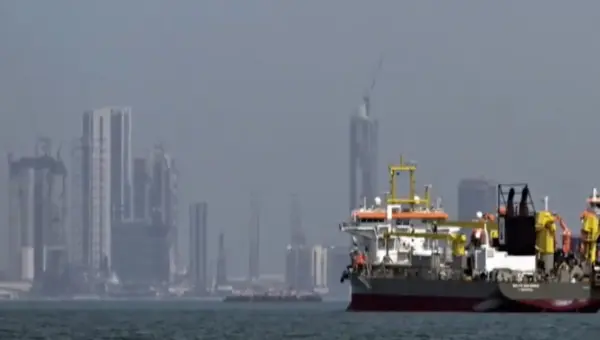
Iran Blocks China Ships, Exposing Beijing’s Weak Grip
Iran's recent decision to block Chinese ships at the Strait of Hormuz is exposing the limits of Beijing's influence in the Middle East. This action is causing delays and cancellations for Chinese manufacturers, turning a perceived geopolitical win into an economic strain.
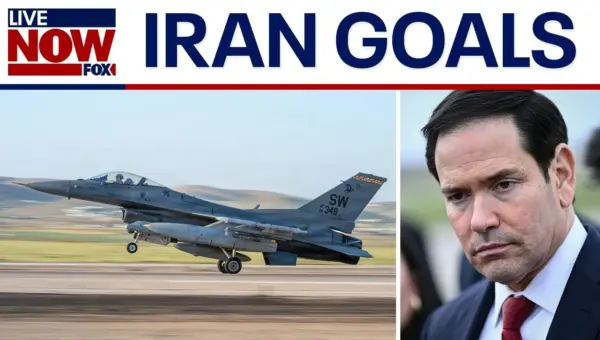
Rubio: US Can Achieve Iran War Goals Without Troops
Senator Marco Rubio outlined a strategy to counter Iran without deploying U.S. ground troops, focusing on weakening the regime and enhancing maritime security. He also criticized Cuba's economic system and expressed concerns about West Bank violence.


Israel Escalates Iran Strikes, Warns of Wider War
Israel has launched significant strikes inside Iran following continued missile fire, warning of further escalation. The conflict risks wider regional instability and economic disruption, especially concerning the Strait of Hormuz.