Trump Accused of Illegal Censorship of War Coverage
The Trump administration faces serious allegations of attempting to illegally censor war coverage and retaliate against independent media. Legal experts and lawmakers are raising alarms about potential First Amendment violations and the abuse of government power. The administration's actions have drawn bipartisan criticism and have been met with significant pushback from the judiciary.

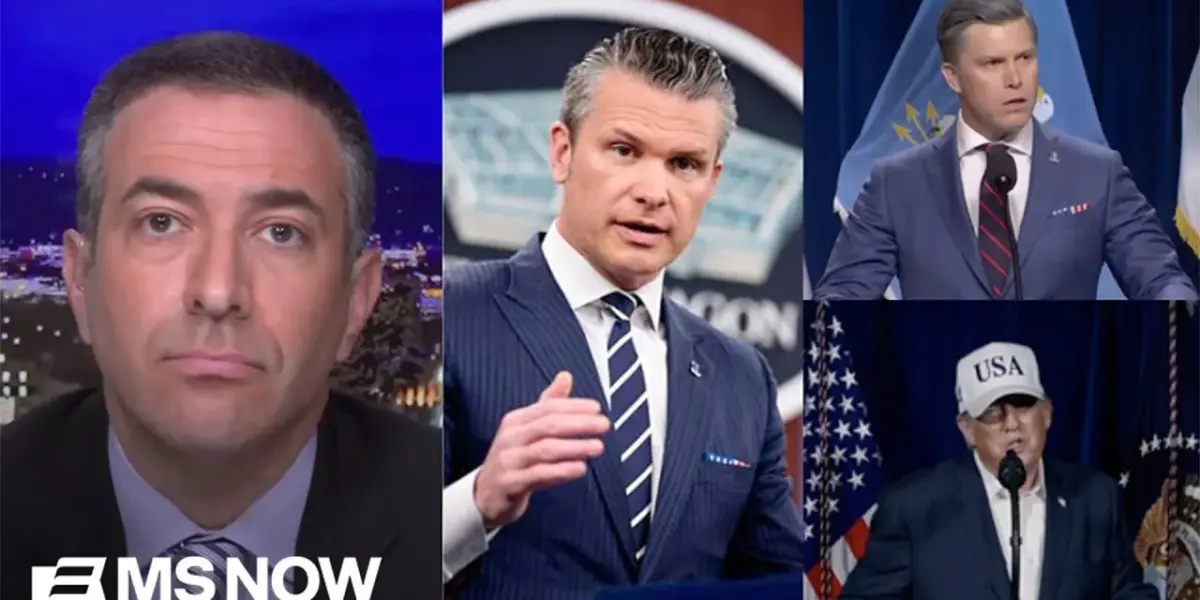
Trump Administration Faces Accusations of Unlawful Media Censorship
The Trump administration is under fire, facing accusations of engaging in an “anti-First Amendment, likely illegal” effort to censor war coverage and retaliate against independent media outlets. These allegations, which surfaced over the weekend, suggest a deliberate attempt by President Trump to abuse governmental power to control narratives surrounding ongoing conflicts, particularly concerning Iran.
FCC Head’s Actions Spark Legal Concerns
Central to these accusations is the reported intention of the head of the Federal Communications Commission (FCC) to take actions that legal experts deem potentially illegal. Sources indicate the FCC is considering revoking broadcaster licenses based on their First Amendment-protected speech rights. This move, even if ultimately unsuccessful in court, could have significant chilling effects on free press in the United States. The FCC chief’s past attempts to censor media, including efforts against Jimmy Kimmel, are cited as a pattern of behavior.
Bipartisan Pushback Against Government Overreach
The alleged actions have drawn criticism from across the political spectrum. Notably, Republican Senator Ron Johnson has voiced his opposition, stating, “I would rather the federal government stay out of the private sector as much as possible.” Johnson emphasized that the federal government’s role should be to protect freedoms and constitutional rights, not to interfere with them. This bipartisan disapproval highlights the gravity of the concerns surrounding the administration’s alleged attempts to stifle dissent and control information flow.
Targeting Prominent Media Outlets
Among the outlets reportedly targeted is The Wall Street Journal, a sister publication to Fox News owned by Rupert Murdoch. This development is seen as a significant indicator that no media entity is immune from potential administration retaliation, even those perceived as having some level of loyalty. The administration’s alleged willingness to target any organization exercising its rights, particularly when those rights conflict with its perceived autocratic agenda, is a key point of contention.
Legal Expert Draws Parallels to Authoritarian Tactics
Andrew Weissmann, a legal expert, has drawn parallels between the current situation and tactics employed by authoritarian regimes throughout history. He pointed to past instances where the Trump administration’s legal strategies, such as attempts to indict members of Congress for statements on military orders and executive orders impacting law firms, have been struck down as First Amendment violations. Weissmann also referenced historical efforts during World War II in Germany, where international reporters were allegedly forced to have their reports sanitized by the administration before publication. While cautioning against direct equivalence, he stressed that the underlying tactic—controlling information flow—is characteristic of authoritarian states seeking to present only a “rosy picture” and suppress unfavorable truths.
“This is a tactic of authoritarian regimes to control the information flow… The First Amendment bars viewpoint discrimination and government powers being abused to change that which otherwise people would say in their reporting or their press.”
– Andrew Weissmann
Administration Admits to Influencing Media Coverage
Further fueling the controversy, the administration appears to have openly admitted to seeking influence over media coverage. In a public statement, a Pentagon secretary criticized CNN’s reporting on the Iran war’s impact, labeling it “patently ridiculous.” He then explicitly stated, “The sooner David Ellison takes over that network, the better,” suggesting that Ellison, a potential buyer, should alter editorial content to be more favorable to the Trump administration. This statement was made before the administration had even approved the proposed acquisition, raising serious questions about the Justice Department’s role and the potential for quid pro quo arrangements regarding media ownership and editorial stances.
Judicial Pushback Against Alleged Harassment
The administration’s legal challenges have not been without significant setbacks in the judicial branch. Numerous cases brought forth by the Trump Department of Justice have reportedly faltered. A notable example involves a judge blocking subpoenas issued by the DOJ against the Federal Reserve chair, Jerome Powell. The judge characterized the subpoenas as an “illegal bid to harass and pressure Powell,” rather than a legitimate investigation. This ruling, seen as an “extraordinary example of pushback by the judicial branch,” cited clear Supreme Court precedent prohibiting the use of grand jury subpoenas for harassment. The judge’s decision even drew an analogy to King Henry II’s alleged statement regarding Archbishop Beckett, highlighting the perception of the administration’s actions as king-like rather than bound by law.
Broader Implications for Free Speech and Democracy
The cumulative effect of these alleged actions and judicial rebuffs points to a broader pattern of behavior that could have profound implications for democratic norms and the health of the free press. While some media outlets and legal professionals are resisting these pressures, the “terrorizing effect” on others, including numerous law firms that have reportedly “caved to the administration,” is undeniable. The administration’s alleged strategy appears to be an attempt to “win by changing access to the facts so that don’t just everyone only hears one side of the story.” This manipulation of information access is seen as a direct assault on the principles of open discourse and accountability that underpin a functioning democracy.
What’s Next?
As these accusations continue to unfold, the focus will likely remain on ongoing legal challenges and the administration’s response. The extent to which the judiciary will continue to act as a bulwark against perceived overreach, and whether public and media pressure will force a change in the administration’s approach to reporting, remain critical questions. The long-term impact on the First Amendment and the relationship between the government and the press will be closely watched in the coming months.
Source: ILLEGAL! Trump's war censorship DEBUNKED by Melber, amid WH Iran spiral (YouTube)

Related Articles
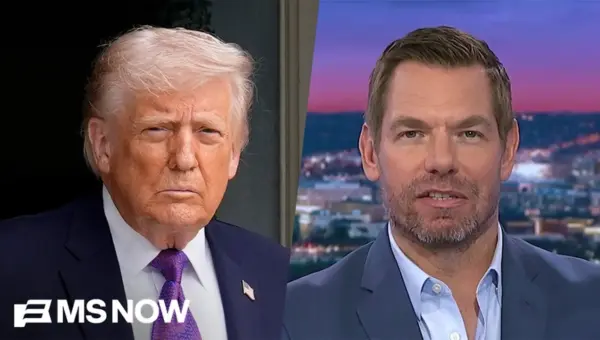
Trump’s Iran War Plans Criticized Amid Border Funding Standoff
Lawmakers and analysts are criticizing the Trump administration's handling of the Iran conflict and its approach to border funding, arguing that a lack of clear planning and a focus on political battles are making the U.S. less safe. Concerns are particularly high regarding the FBI's priorities and the potential impact of these issues on national security.
DOJ Probe into Brennan Intensifies Amidst ‘Conspiracy’ Claims
The DOJ's investigation into former CIA Director John Brennan is intensifying, focusing on allegations of lying during congressional testimony. House Judiciary Chair Jim Jordan highlighted concerns about potential censorship of political speech amidst these probes.
DOJ Pays Millions to Ally: Is This Legal?
A $1.2 million payout from the DOJ to Mike Flynn, a former Trump ally, has sparked outrage and questions about legality and oversight. Critics fear a pattern of "grift and corruption," while calls for accountability echo historical precedents.