Tiger Woods DUI Case: Body Cam Footage Shifts Legal Landscape
New body camera footage from Tiger Woods' DUI arrest offers a different perspective on his condition. Defense attorney Mark Geragos argues the video challenges initial impairment assessments. The case now hinges on interpreting sobriety tests, medication, and refusal of a urine test.

Tiger Woods DUI Case: Body Cam Footage Shifts Legal Landscape
Tiger Woods’ recent arrest for driving under the influence (DUI) has taken a new turn with the release of body camera footage. This footage, captured by police officers at the scene, appears to challenge the initial assessment of his impairment. The video provides a closer look at the moments following his SUV rollover, offering a different perspective on his condition.
Key Details Emerge from Arrest
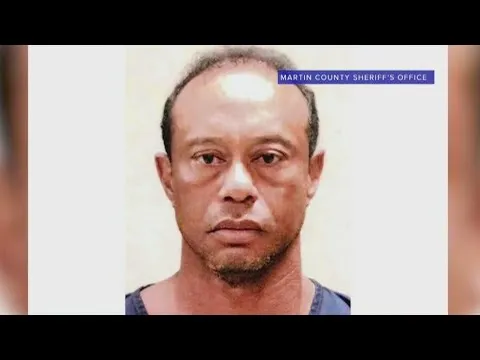
Woods was arrested after police officers observed what they believed were signs of impairment during field sobriety tests. A new mug shot was released following his booking. While Woods reportedly passed a breathalyzer test, he refused to take a urine test. Police also found two hydrocodone pills in his pocket, according to authorities. The central question now is whether these findings definitively prove impairment.
Body Cam Footage Offers New Evidence
The released body camera footage shows Woods interacting with officers. He is asked about the crash and his activities leading up to it. Officers inquire about his phone use, registration, and any medical issues or medications he might be taking. Woods denies taking any illegal substances and appears to answer questions directly. The footage raises questions about whether he truly seemed in control of his faculties at the time.
Defense Attorney Weighs In
Criminal defense attorney Mark Geragos believes the body camera footage significantly helps Woods’ case. He suggests that combining this footage with police reports makes it difficult for prosecutors to build a strong case. Geragos points out that Woods answered questions promptly and appropriately, showing no obvious signs of impairment. He also notes that Woods passed at least one field sobriety test, though Geragos acknowledges the officer’s report differs.
“It not only helps his case. If I were the prosecutor, you combine this body cam footage with the police reports and I don’t know how they prove their case.”
Mark Geragos, Criminal Defense Attorney
Challenging the Field Sobriety Test
Geragos also commented on the nature of field sobriety tests themselves. He suggests that submitting to these tests can be unwise, as the results can be interpreted in various ways by officers. He argued that officers might project their own assumptions onto the tests. This perspective adds another layer to the legal debate surrounding Woods’ arrest.
Refusal of Urine Test and Legal Ramifications
The investigation also involves Woods’ refusal to take a urine test. This refusal can carry legal consequences and may lead to charges for not submitting to a test. Geragos explained that refusing a urine test is not as serious legally as a confirmed positive for being under the influence. However, it still presents a legal challenge for the defense.
Pills and Potential Impairment
The presence of hydrocodone pills and the observed signs of impairment are key points for the prosecution. However, the defense can argue that the pills may not have been taken recently or could have been prescribed. If Woods had immediately sought a blood test, which is considered more reliable, and it showed only a small amount of prescription drugs, it could significantly strengthen his defense. The defense also notes Woods made no admission of guilt and has a history of seeking treatment.
Future Scenarios
The body camera footage appears to provide a stronger basis for the defense to argue against impairment. If a blood test showed minimal levels of prescription drugs, and the body cam footage shows coherent behavior, the prosecution’s case could be weakened. The refusal to take the urine test remains a legal hurdle, but the overall evidence might shift towards a less severe outcome than an “under the influence” conviction. The defense will likely focus on the lack of clear evidence of impairment and the potential explanations for the presence of medication.
Global Impact
While this case primarily involves a high-profile individual and a specific legal situation, it touches on broader issues. It highlights the complexities of DUI laws, the reliability of field sobriety tests, and the importance of all available evidence, including video footage. The case also underscores how technology, like body cameras, can impact legal proceedings and public perception. For those following international sports and celebrity news, this story offers a look into the legal system’s handling of complex personal issues involving public figures.
Source: Geragos says Woods arrest video shows no impairment | CUOMO (YouTube)

Related Articles


Trump Fires AG Bondi, Iran Tensions Rise, Artemis II Heads to Moon
Attorney General Pam Bondi has been fired by President Trump, with Deputy AG Todd Blanche stepping in as acting AG. Amidst rising oil prices and escalating tensions, the U.S. warns Iran as the Artemis II mission successfully heads towards the Moon. Golfer Tiger Woods was arrested for DUI and is stepping away for treatment.


Tiger Woods Faces DUI Charges Again
Golf legend Tiger Woods was arrested for DUI in Florida after a rollover crash, marking his second such arrest. Investigators noted signs of impairment, though alcohol was not a factor. Woods refused a urine test and had prescription painkillers in his pocket. He has since announced he is stepping away to seek treatment.


Trump Fires AG, Middle East Tensions Rise, Space Mission Advances
President Trump fired Attorney General Pam Bondi, citing frustration with her performance. Meanwhile, Middle East tensions escalated with increased strikes on civilian infrastructure, causing oil prices to surge past $100 a barrel. In space news, the Artemis II mission successfully began its journey towards the Moon with four astronauts aboard.