Ticketmaster Settlement: A Win for Fans or a Costly Slap?
Ticketmaster's recent settlement, potentially worth $280 million, includes divesting venues and capping fees. But will it satisfy fans, especially those burned by the 'Eras Tour' ticket fiasco, or is it just a costly concession?

Ticketmaster Settlement: A Win for Fans or a Costly Slap?
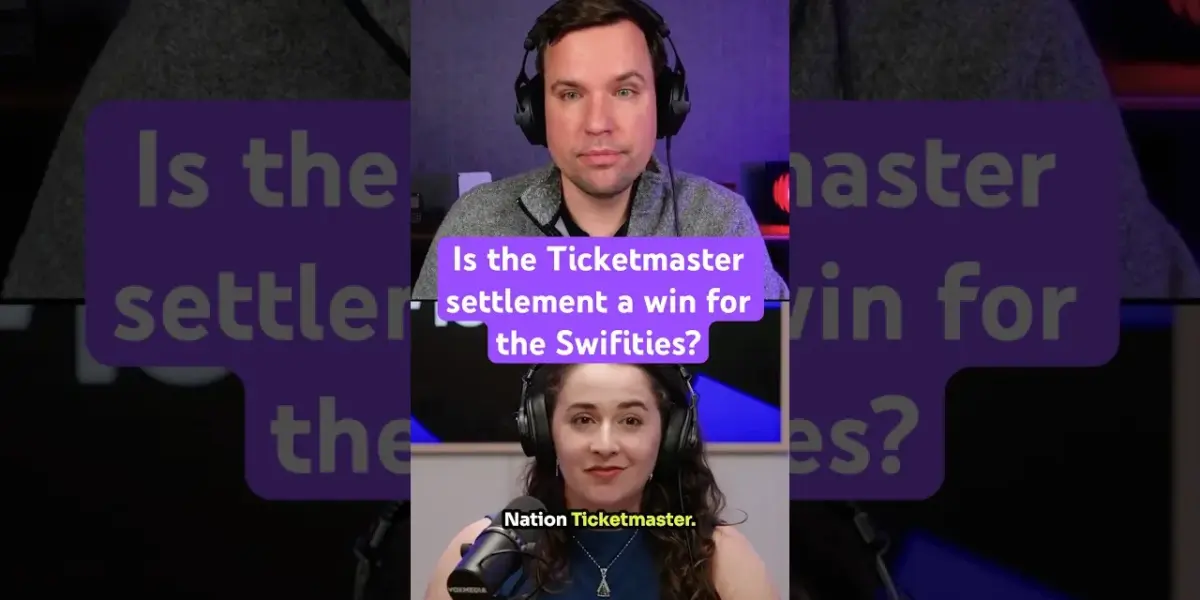
The recent settlement involving Ticketmaster has sent ripples through the music industry and, more pointedly, through the dedicated fanbase of artists like Taylor Swift. Following the widely publicized chaos surrounding the sale of ‘Eras Tour’ tickets, where Ticketmaster’s platform famously buckled under the demand, many are questioning whether this settlement represents a genuine victory for consumers or merely a costly, yet ultimately insufficient, appeasement.
The core of the issue lies in Ticketmaster’s long-standing reputation for consumer dissatisfaction and its dominant market position, often criticized as a monopoly. The recent settlement, if fully adopted by all involved states, could see Ticketmaster pay out up to $280 million in damages. This figure, while substantial, prompts a deeper look into the concessions Ticketmaster is reportedly making.
Key Concessions and Their Impact
According to statements emerging about the settlement, Ticketmaster has agreed to several key stipulations:
- Divestment of Venues: Ticketmaster is expected to sell off its stake in a number of amphitheaters. This move addresses concerns raised by the Department of Justice (DOJ) regarding Ticketmaster’s alleged monopolistic control over a significant share of the live music venue market.
- Opening Up Exclusive Contracts: The company will reportedly allow other ticketing platforms to operate at venues where Ticketmaster currently holds exclusive contracts. This aims to foster competition and provide more choices for both artists and fans.
- Cap on Ticket Fees: A cap will be placed on certain ticket fees. While specific details on the extent of this cap are still emerging, it signals an attempt to curb the often-criticized ancillary charges that inflate the final price of tickets.
These concessions are a direct response to the DOJ’s antitrust lawsuit, which sought to break up the Live Nation-Ticketmaster conglomerate. Attorney General Merrick Garland had previously articulated the government’s intention to dismantle the perceived monopoly held by the merged entity. The settlement’s terms appear to be a negotiated outcome, aiming to achieve some of the DOJ’s objectives without forcing a complete corporate dissolution, at least in this initial phase.
The Swiftie Perspective: A Real Win?
For Taylor Swift fans, often referred to as ‘Swifties,’ the ‘Eras Tour’ ticket debacle was a particularly painful experience. The sheer volume of demand, coupled with Ticketmaster’s inability to handle it, led to widespread frustration, canceled sales, and accusations of unfair practices. The question now is whether this settlement will resonate as a victory for them.
Initial reactions from fan groups suggest a degree of skepticism. While financial damages and some concessions are on the table, the core platform and its operational practices remain largely intact. For those who experienced the direct fallout of the system’s failure, the settlement might feel more like a corporate maneuver than a fundamental change that guarantees a smoother ticket-buying experience in the future. The sentiment may be that while the financial penalties are significant, they don’t necessarily address the underlying issues of platform reliability and consumer-friendly policies.
Broader Implications for the Ticketing Industry
Beyond the immediate impact on fans, the settlement has broader implications for the entire live entertainment ecosystem. The DOJ’s aggressive stance against Ticketmaster signals a potential shift in how antitrust concerns are addressed in the digital age, particularly for companies with dominant online platforms.
The divestment of venue stakes and the loosening of exclusive contracts could pave the way for increased competition. This might lead to the emergence of new ticketing solutions or the revitalization of existing smaller players. A capped fee structure, even if limited, could set a precedent for future negotiations and regulatory scrutiny of dynamic pricing and service charges.
However, it’s crucial to note that the full impact will depend on the details of the implementation and the ongoing vigilance of regulatory bodies. The DOJ’s initial goal was to break up Live Nation and Ticketmaster. While this settlement addresses some monopolistic practices, it does not achieve that ultimate objective. Future legal challenges or further regulatory action may be necessary if Ticketmaster’s market dominance and practices continue to stifle competition or harm consumers.
Who Should Care and Why?
This settlement is of significant interest to several groups:
- Concertgoers: Anyone who has struggled to buy tickets for popular events will be watching to see if this leads to a more equitable and reliable ticketing process.
- Artists and Promoters: Those who rely on efficient ticket sales will be interested in the potential for increased competition and more transparent fee structures.
- Competitors in the Ticketing Space: Smaller ticketing companies and venue operators may see this as an opportunity to gain market share.
- Antitrust Advocates and Regulators: The case serves as a significant example of how antitrust laws are being applied to dominant technology platforms in the modern economy.
Ultimately, the true measure of this settlement’s success will be in its tangible effects on the ground. Will ticket buying become easier and fairer? Will prices become more predictable? For now, it represents a step, albeit a debated one, towards addressing the long-standing issues surrounding Ticketmaster’s market power.
Source: Is the Ticketmaster settlement a win for the Swifities? #Vergecast (YouTube)

Related Articles
DOJ-Live Nation Deal Stuns Court, Rocks Ticketmaster Trial
The DOJ and Live Nation reached a settlement in their antitrust case, but the announcement surprised the presiding judge and even lead DOJ counsel. The timing has thrown the ongoing trial into uncertainty.
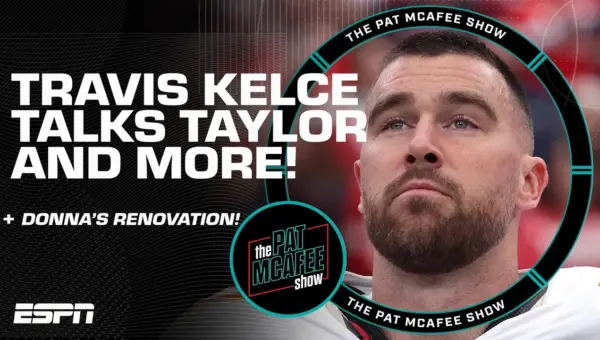
Kelce Returns! “Still Love This Game,” Says Chiefs Star
Travis Kelce confirmed his return for his 14th NFL season, citing his enduring love for the game and the motivating forces of Patrick Mahomes, Andy Reid, and Taylor Swift. The Chiefs star is embracing the increased competition in the AFC.


Swift Fuels Kelce’s Fire: “Not Done Yet!”
Travis Kelce revealed that his relationship with Taylor Swift has motivated him to continue his NFL career. Witnessing her dedication fuels his desire to play another season, stating, "I'm not done either."