States Fight Mega-Merger Threatening Local News Choice
Eight state attorneys general are suing to block a massive merger between TV giants Tegna and Nexstar. They argue the deal, approved by the Trump FCC, would create a media behemoth reaching 80% of U.S. households, threatening local news choice and journalistic diversity. This legal fight challenges federal approval and highlights concerns over ideological conformity in broadcasting.

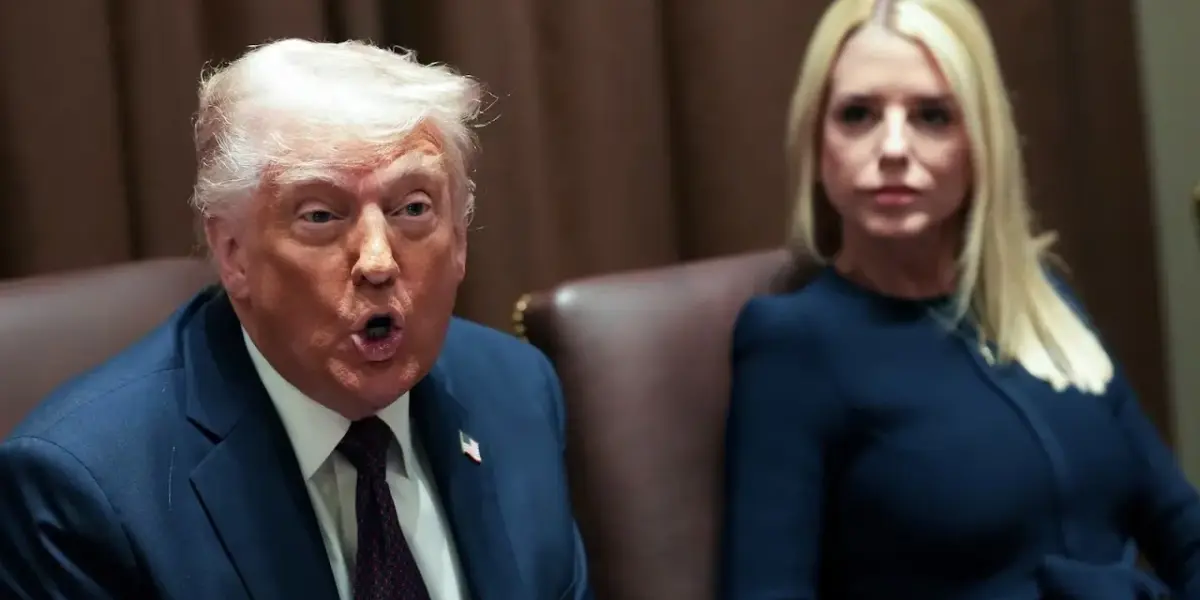
States Fight Mega-Merger Threatening Local News Choice
A massive proposed merger between two of the largest TV station owners, Tegna and Nexstar, has hit a major roadblock. Eight Democratic attorneys general from different states are suing to stop the deal. They say it would create a media giant that reaches 80% of American homes, hurting competition and local news quality. This lawsuit is a direct challenge to the Trump administration’s Federal Communications Commission (FCC), which had already approved the merger.
The Deal and Its Reach
Nexstar is already the biggest TV station owner in the U.S., and Tegna is the fourth largest. Together, they own many local stations affiliated with major networks like ABC, NBC, CBS, and Fox. If the merger goes through, one company would control a huge number of these local news outlets. This could mean fewer choices for viewers and potentially less in-depth journalism as newsrooms might be cut back.
Concerns Over Ideological Conformity
Nexstar is known for its conservative leaning. Critics worry that combining these companies will lead to more uniform, ideologically driven news coverage across many local markets. The lawsuit highlights that in some areas, like Washington D.C., the merger could consolidate local channels that were previously owned by separate companies. This consolidation raises alarms about the future of diverse local news reporting.
“The sheer size of this, the fact that it’s reaching 80% of households in the United States is alarming.”
Antitrust Laws and Government Approval
The attorneys general are suing under the Clayton Act, a federal law designed to prevent monopolies and protect competition. They question how such a large merger could be approved in the first place. The lawsuit suggests that the Trump administration, including the FCC and its chairman, actively supported the deal. President Trump himself reportedly encouraged the merger on social media, calling it a blow against “fake news” and ironically, a way to create competition.
States Step Up Where Federal Government Doesn’t
This situation is unusual because state attorneys general are taking action against a deal that the federal government, specifically the FCC, has approved. The attorneys general leading the lawsuit stated that this should ideally be a bipartisan issue. They noted that Republican attorneys general might be hesitant to oppose a deal favored by President Trump. However, they encourage any state AGs concerned about media consolidation to join the legal fight.
The Power of the Lawsuit
The core of the legal battle is whether a federal judge will find the merger to be in violation of antitrust laws. While the FCC approved the deal, its approval is not final if a judge rules against it. The lawsuit names Nexstar and Tegna as defendants, not the federal government. This means the fight is directly between the states and the companies seeking to merge. State attorneys general have a history of successfully challenging large corporations, as seen in ongoing antitrust cases like the one involving Ticketmaster and Live Nation.
The Merger’s Current Status
The legal process can take time. While the lawsuit is pending, the companies may be moving forward with the merger. Reports suggest some local TV stations are already under new corporate ownership or preparing for changes. The attorneys general could ask a judge for a temporary restraining order or a preliminary injunction to halt the merger while the case is being decided. This would prevent the companies from fully combining until a final ruling is made.
A Preview of Future Media Control?
This case is seen by some as a continuation of trends seen earlier. For instance, the FCC under Trump had previously pressured broadcasters regarding content, leading some stations, like those owned by Nexstar, to stop airing certain shows. This suggests a pattern of using regulatory power to influence media operations. The concern is that further consolidation will lead to fewer independent voices and more ideologically aligned news, especially from right-leaning broadcasters.
News Duplication and Ideological Alignment
A study mentioned in the lawsuit points to Nexstar as a major contributor to “news duplication,” where different local stations air identical reports. This is similar to a widely shared video from a few years ago showing anchors from Sinclair Broadcast Group reading the same script about “fake news.” The fear is that this merger, combined with other large broadcasters like Sinclair, could push local news coverage towards a nearly 100% conservative viewpoint, leaving little room for alternative perspectives.
Why This Matters
The potential merger between Tegna and Nexstar represents a significant moment for local news in America. If approved, it would create an incredibly powerful media entity that could shape the information received by a vast majority of the population. The lawsuit highlights a critical tension: the desire for corporate growth and efficiency versus the public’s need for diverse, independent, and locally relevant news. The actions of these state attorneys general are vital in ensuring that antitrust laws are enforced and that media consolidation doesn’t erode the foundations of a free and open press. This fight is about more than just two companies; it’s about the future of information access and democratic discourse.
Implications and Future Outlook
The outcome of this legal battle could set a precedent for future media mergers. If the states win, it could signal a stronger stance against consolidation by regulatory bodies and courts. If the companies prevail, it might encourage further mergers, leading to even greater concentration of media ownership. The trend towards fewer, larger media companies raises concerns about journalistic independence and the ability of local news to serve its communities effectively. The public’s role in supporting independent media, as suggested by commentators, becomes even more crucial in this evolving media landscape.
Historical Context
Antitrust laws have a long history in the United States, designed to break up monopolies and prevent unfair business practices. The Clayton Act, passed in 1914, is a cornerstone of U.S. antitrust legislation. Throughout history, various administrations have used these laws to regulate industries and ensure fair competition. Media consolidation has been a recurring issue, with concerns about ownership concentration and its impact on free speech and information flow dating back decades. This current legal challenge is part of that ongoing debate about how to balance corporate interests with the public good in the media sector.
Source: FINALLY: Attorneys general JOIN TOGETHER against Trump (YouTube)

Related Articles
FCC Router Ban: Security or Security Theater?
The FCC has banned new foreign-made routers, citing national security concerns. However, critics question the policy's logic, as existing routers remain unaffected and specific risks are undisclosed. This move sparks debate over its true effectiveness in enhancing cybersecurity.

US Router Ban Sparks Security Debate
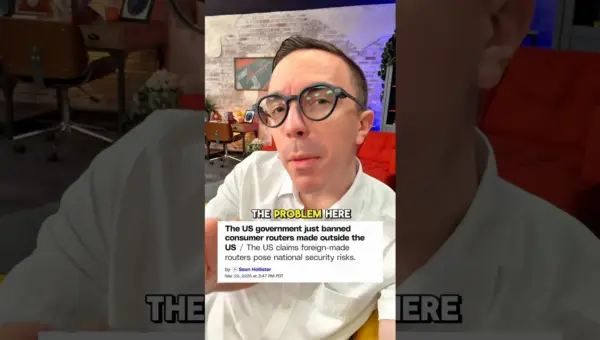
The US government has banned new consumer routers, citing security concerns. However, critics argue the ban fails to address the real causes of router hacks and inconsistently applies security standards. Existing routers are unaffected, but future product launches face significant delays.

US Lawsuit Could Break Up Ticket Giant, Lower Concert Prices
The U.S. Department of Justice and 30 states are suing Live Nation, alleging it operates a monopoly that harms fans and artists. While a tentative settlement was proposed, several states are pushing for a full breakup of the company, arguing the deal won't fix the monopoly problem. Artists are also beginning to challenge ticketing practices directly, with one singer successfully pushing for price caps on resale tickets.