Space Mirrors to Light Up Earth’s Dark Side Spark Debate
A startup called Reflect Orbital plans to launch thousands of mirrors into space to reflect sunlight onto Earth's dark side, offering on-demand illumination. The proposal has sparked controversy, with critics raising concerns about light pollution and environmental impacts, while the company highlights potential benefits for emergencies and clean energy.

Space Startup Aims to Illuminate Earth’s Dark Side with Orbital Mirrors
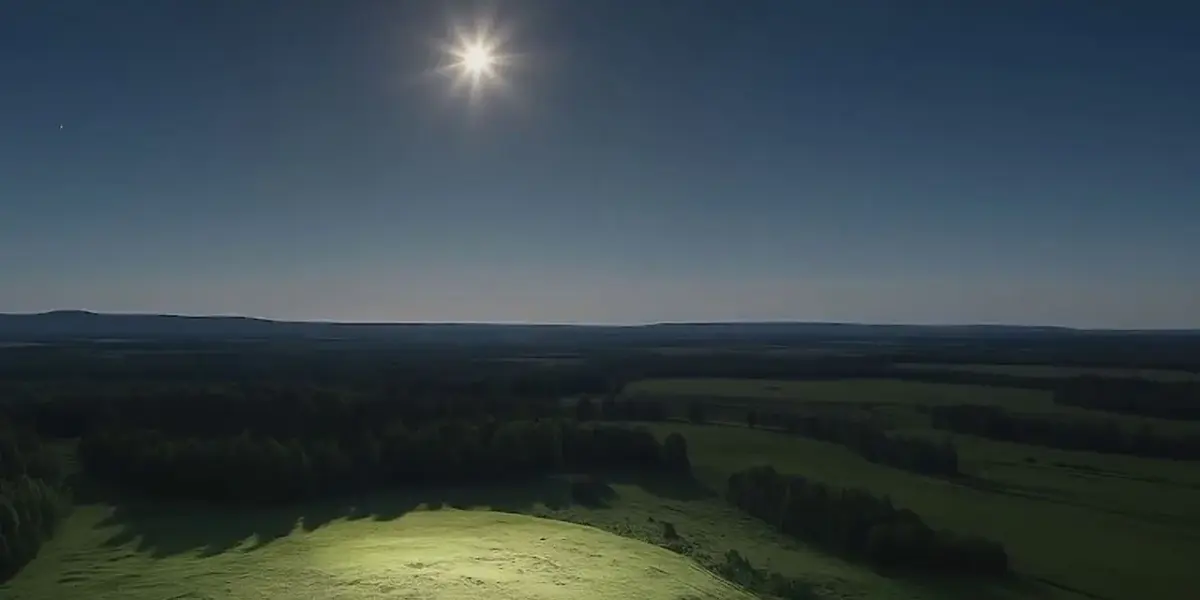
A burgeoning space technology company, Reflect Orbital, is proposing a revolutionary, yet controversial, plan to launch tens of thousands of large mirrors into Earth’s orbit. The ambitious project aims to reflect sunlight onto the planet’s night side, offering on-demand illumination for various applications. The company is seeking approval from the Federal Communications Commission (FCC) to launch its first prototype satellite as early as this summer, igniting a heated debate about the potential benefits and significant environmental and astronomical risks.
On-Demand Sunlight: The Vision Behind Reflect Orbital
At the core of Reflect Orbital’s mission is the concept of delivering sunlight precisely where and when it’s needed. Ben Now at 2, CEO of Reflect Orbital, envisions a future where space-based technology can provide illumination on demand. The company’s initial prototype satellite, according to Now at 2, will be capable of delivering a brightness equivalent to a full moon for approximately five minutes. This demonstration is intended to validate the technology and pave the way for a larger constellation of mirrors.
The potential applications for this technology are far-reaching. Reflect Orbital suggests that its illuminated spots could be used for critical nighttime operations, such as emergency rescues. Beyond humanitarian aid, the company sees commercial opportunities, proposing to charge an estimated $5,000 per hour for a single mirror to be deployed and targeted at a customer’s designated location. Other envisioned uses include illuminating farms to extend growing seasons, lighting up solar farms to enhance clean electricity production, and potentially even aiding in nighttime agricultural activities.
“We are working on delivering sunlight on demand with space technology,” stated CEO Ben Now at 2.
Concerns Mount Over Light Pollution and Environmental Impact
Despite the innovative potential, Reflect Orbital’s proposal has drawn sharp criticism from environmental advocates and scientific organizations. DarkSky, a prominent international non-profit dedicated to protecting natural darkness, has raised serious concerns about the potential for widespread light pollution. The organization argues that introducing artificial, intense light sources into the night sky could have detrimental effects on ecosystems, disrupt the natural circadian rhythms of wildlife and humans, and interfere with crucial astronomical research.
“There will be tremendous environmental impacts,” warned a representative from DarkSky, highlighting the degradation of natural darkness as a key issue. The group points out that current FCC policy considers objects in space to be extraterritorial, meaning their impacts are not subject to U.S. environmental reviews. This regulatory gap leaves the potential environmental consequences of such large-scale orbital projects unaddressed by domestic environmental impact assessments.
“And we don’t want a private company or private individual deciding whether we’re going to obliterate nighttime in my backyard,” expressed one critic, underscoring public apprehension about the control and deployment of these powerful light sources.
The company, however, maintains that its intentions are not to harm the Earth’s environment. “It’s absolutely not our intention to harm the Earth’s farm. Animals affect things negatively,” Now at 2 asserted. Reflect Orbital emphasizes that the precision of its mirrors and the ability to switch them on and off are key to mitigating negative impacts. The plan involves reflecting sunlight away from Earth most of the time, only directing it when a specific request for illumination is made.
Historical Precedents and Modern Analogues
The idea of using orbital mirrors to illuminate the Earth is not entirely new. In the 1990s, Russian cosmonauts experimented with similar space reflectors. Historical newspaper reports from that era reveal that concerns about disrupting life on Earth were also prevalent then. More recently, NASA has issued warnings about the cumulative impact of mega-satellite constellations, such as SpaceX’s Starlink, on astronomical research due to light pollution.
While Starlink’s satellites are designed to minimize light reflection, Reflect Orbital’s project is fundamentally different as its primary function is to reflect light. The company differentiates itself by emphasizing the precision targeting and control of its mirrors, suggesting that this controlled approach will minimize unintended light pollution compared to the diffuse reflections from other satellite constellations. The ability to pinpoint a specific area and turn the light off when no longer needed is presented as a crucial safeguard.
The Path Forward: Regulatory Hurdles and Future Watch
Reflect Orbital’s journey to deploy its orbital mirrors is contingent on navigating the complex regulatory landscape, particularly the FCC’s review process. The company’s request to launch a prototype highlights the immediate need for a decision on the regulatory framework governing such novel space applications. As the FCC considers the proposal, the broader implications for environmental protection, astronomical observation, and the responsible development of space resources will undoubtedly remain at the forefront of the discussion.
The debate over Reflect Orbital’s space mirrors serves as a critical case study in balancing technological innovation with environmental stewardship. The coming months will be crucial in determining whether this ambitious project moves forward and what precedents it sets for future ventures seeking to harness the power of space to reshape life on Earth.
Source: Startup wants to launch mirrors up into space to light up the dark side of Earth (YouTube)

Related Articles


FCC Router Ban: Security or Security Theater?
The FCC has banned new foreign-made routers, citing national security concerns. However, critics question the policy's logic, as existing routers remain unaffected and specific risks are undisclosed. This move sparks debate over its true effectiveness in enhancing cybersecurity.


US Router Ban Sparks Security Debate
The US government has banned new consumer routers, citing security concerns. However, critics argue the ban fails to address the real causes of router hacks and inconsistently applies security standards. Existing routers are unaffected, but future product launches face significant delays.


Hawaii Streets Drown: Is Climate Change to Blame?
Video shows cars driving through flooded streets in Hawaii's Kaimuki neighborhood. This event raises questions about the link between extreme weather and climate change, highlighting the growing vulnerability of communities worldwide. Understanding these patterns is crucial for future adaptation.