Restaurant Shockers: What’s REALLY on Your Plate?
Dive into the shocking realities behind your restaurant meals. From hidden frozen foods and fish fraud to dirty ice and mechanically separated meat, discover what's really on your plate and why you might want to think twice before your next dining out experience.

Restaurant Shockers: What’s REALLY on Your Plate?
Think your favorite restaurant dish is made with fresh, high-quality ingredients? Think again. A new look at the food service industry is revealing some seriously unsettling truths about what we’re really eating. From hidden frozen foods to ‘fish fraud,’ the kitchen might not be as clean as you imagine.
Frozen Foods Are the New Fresh?
That juicy steak or crisp salad might have spent more time in a freezer than you’d think. In today’s world, more restaurants are relying on frozen ingredients. Reports show that over 90% of restaurants regularly use frozen items, including vegetables and desserts. Even seafood is often served frozen, with over 55% of restaurants admitting to using it. While frozen foods can cut costs and reduce waste, they might not offer the farm-to-table freshness you expect. Sometimes, it’s table to freezer to microwave.
Powdered Eggs: A Breakfast Mystery
That fluffy scramble at the hotel breakfast buffet might not be what it seems. Many kitchens use powdered eggs, which are dehydrated and then mixed with water. These are cheaper and easier to store in large amounts. While they still have protein and vitamins, the texture and flavor can suffer. Even fast-food chains have changed their approach, now often using folded or patty-style eggs that are flash-frozen after being mixed with things like soybean oil and cornstarch.
Dirty Ice: A Chilling Truth
Your refreshing drink might contain more than just ice. Ice machines in restaurants are notoriously hard to clean and are often overlooked during regular cleaning. This can lead to mold, bacteria, and even worse contaminants. Studies have found restaurant ice to be dirtier than toilet water in some cases. This dirty ice can carry harmful germs like E. coli, norovirus, and salmonella, potentially making you sick.
Fish Fraud is Rampant
If you’re paying a low price for fish, you might not be getting what you ordered. Studies show that about one in three fish sold in U.S. restaurants and grocery stores are mislabeled. Cheaper fish are often passed off as more expensive species like snapper or tuna. This isn’t just about getting less for your money; it could mean you’re exposed to different allergens or even mercury. By the time the fish is battered and sauced, it’s almost impossible to know what’s really under the crust.
The Truth About Old Grease
Those crispy fries and golden nuggets might be fried in oil that’s weeks old. Some restaurants reuse their deep fryer oil for too long. While filtering oil can help, it still needs to be replaced. As oil breaks down, it gets dark, foamy, and develops a burnt, rancid taste. Food safety experts warn that this degraded oil isn’t just gross; it can be harmful, potentially leading to high blood pressure and vascular damage. However, fresh oil is expensive, so some kitchens choose to save money over quality.
Massive Food Waste
Restaurants are in the business of feeding people, but they also throw away huge amounts of food. In the U.S., the industry wastes an estimated 22 to 33 billion pounds of food every year. This includes perfectly good ingredients and untouched meals scraped straight into the trash. Less than 2% of this waste is donated. Poor planning and oversized portions contribute to this problem, which is bad for the planet and the restaurant’s profits.
Stale Salads and Risky Greens
Salad bars, often seen as a healthy choice, can be breeding grounds for bacteria. When salads are left uncovered for hours, they can become contaminated with E. coli, salmonella, and listeria. Pre-made salads aren’t always better; leafy greens can be old and wilted, sometimes spritzed with water to make them look fresh. Bad greens have been identified as a common source of foodborne illness outbreaks.
Dirty Lemons: A Germ Gateway
That lemon wedge in your drink might be carrying more than just citrus flavor. Restaurant lemons are often not refrigerated, not washed, and handled with bare hands, making them prone to contamination. Tests have found that a high percentage of lemon wedges in restaurants carry bacteria, including E. coli and fecal matter. Since lemons are not cooked, any germs they carry go straight into your drink.
Mechanically Separated Meat: What’s Left Behind
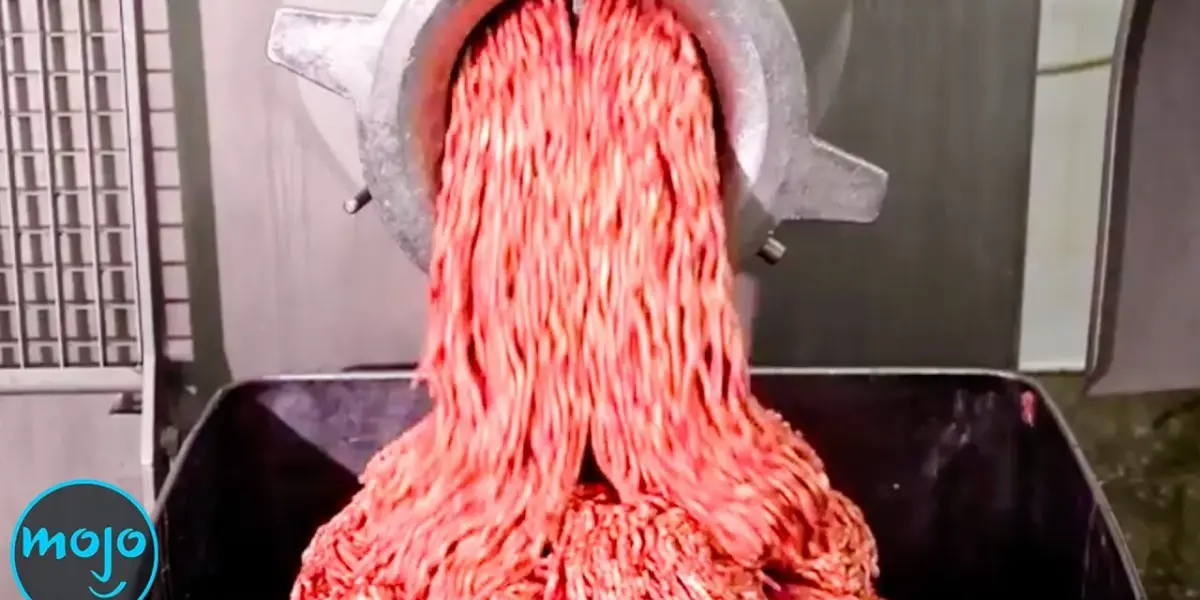
Mechanically separated meat (MSM) is made by forcing bones through a sieve to extract all edible material, including tendons and cartilage. This creates a paste used in many processed foods like hot dogs, chicken nuggets, and deli meats. While it’s legal and cost-effective for pork and poultry, mechanically separated beef has been banned in the U.S. due to concerns about mad cow disease.
The Burger’s Many Faces
When you bite into a hamburger, you might be eating meat from dozens, or even up to 100, different cows. To keep costs low and meet demand, meat processors combine trimmings from animals raised across various farms, states, or countries. This blending process, while legal and making the burger 100% beef, increases the risk of contamination. One tainted cut can affect an entire batch, meaning a single burger could technically be a herd.
Source: Top 10 Gross Facts About Restaurant Food (YouTube)

Related Articles


Fortnum & Mason Serves Up Unique Jams
Fortnum & Mason is enhancing its afternoon tea with exclusive, house-made strawberry preserve and a unique orange curd. This move highlights the brand's strategy of offering proprietary products, strengthening its market position and potential for increased profitability.

Grill Brush Danger: Swallowing Metal Can Cause Serious Harm
Metal wire grill brushes pose a hidden danger, potentially shedding bristles that can cause serious internal injuries if swallowed. Learn about the risks and safer cleaning alternatives to protect your health during barbecues.
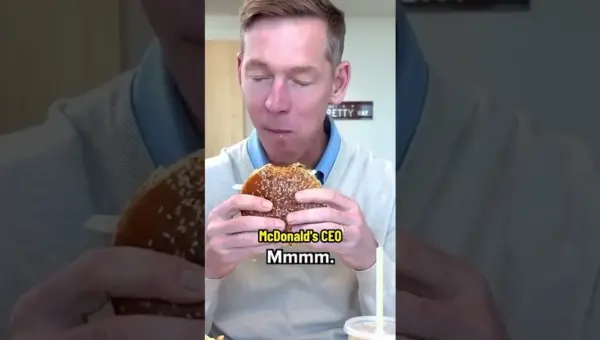
Fast Food Giants Clash: CEO Burger Battle Erupts!
CEOs are engaging in a public taste test, with one declaring a massive burger "exactly the way a great hamburger should be." This highlights the intense competition and pride within the fast food industry.