Prince Andrew Investigation: Legal Expert Explains Complex Path Forward After Release Under Investigation
Prince Andrew has been released under investigation following his arrest, with legal experts highlighting the complex challenges of proving misconduct in public office. The notoriously difficult-to-define offense requires establishing that his trade envoy role constituted public office and that any misconduct was deliberate and serious enough to undermine public trust.

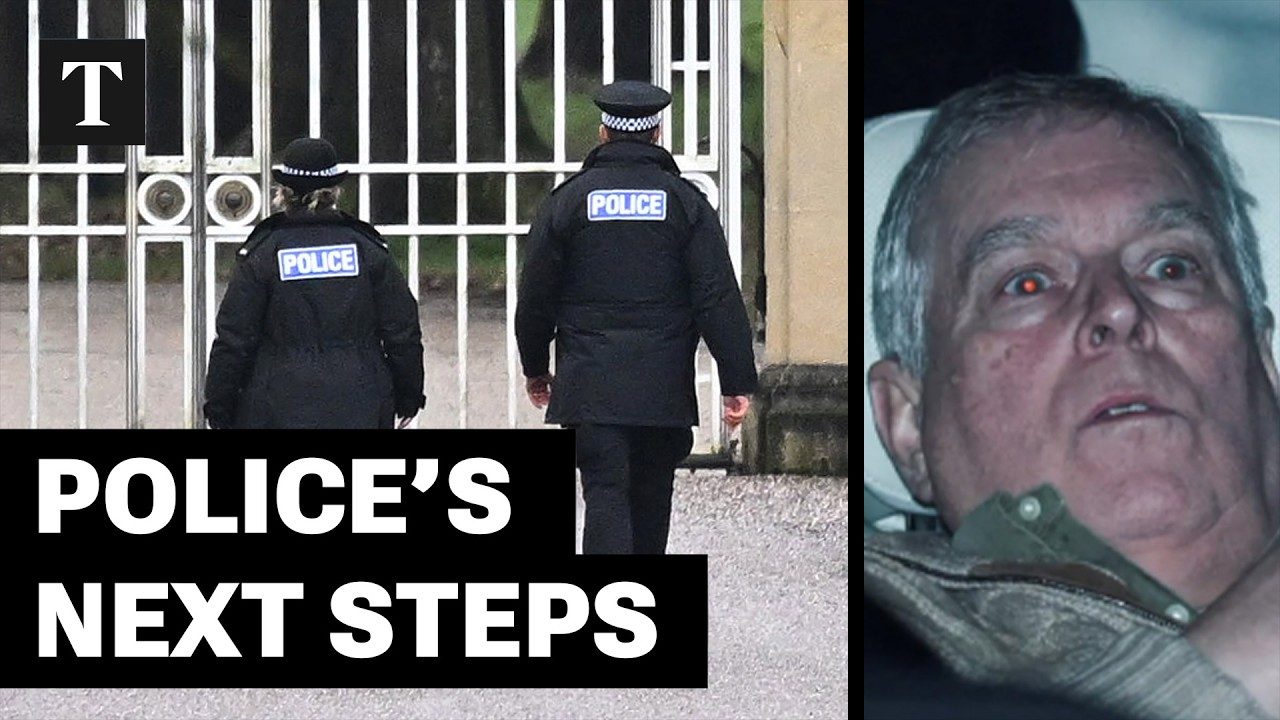
Prince Andrew has been released under investigation following his arrest, with searches continuing at his former residence as authorities work to determine whether sufficient evidence exists to pursue charges related to alleged misconduct in public office.
The Current Legal Situation
Thames Valley Police confirmed that Andrew Mountbatten-Windsor has been released under investigation, with officers resuming searches at Royal Lodge, his former home in Berkshire. This development marks a significant moment in what has become a highly scrutinized legal process involving a senior member of the British Royal Family.
Former Old Bailey judge Wendy Joseph Casey explained that the police had three options available: charge him immediately, release him on police bail with conditions, or release him under investigation – the option they ultimately chose. “This allows them to go on investigating him,” Casey noted, explaining that this approach has become common in complicated matters following previous complaints about lengthy police bail periods.
Understanding Misconduct in Public Office
The potential charge of misconduct in public office presents unique legal challenges, as Casey outlined in her analysis. Unlike statutory offenses such as theft or burglary, misconduct in public office is a common law offense that has evolved over centuries through court decisions rather than parliamentary legislation.
“It’s quite complicated,” Casey explained, detailing the multiple elements that must be proven. First, the accused must be deemed a “public officer,” though no clear definition exists for this term. In Andrew’s case, his role as a trade envoy would likely be the focus of examination, as being a member of the royal family alone would not be sufficient.
The prosecution would also need to prove that any misconduct was “willful” – deliberately undertaken with knowledge or reckless disregard of its wrongful nature. The act must be serious enough to undermine public trust and lack reasonable justification.
The Challenge of Definition
A Law Commission report from six years ago identified misconduct in public office as “one of the most notoriously difficult to define” offenses in England and Wales. This complexity adds layers of difficulty to the investigation and any potential prosecution.
“In essence it’s the real test of our jury system,” Casey observed, noting that if charges were brought, it would provide an interesting examination of the British legal system at a time when jury trials face various challenges.
The lack of clear definitions means that determining whether Andrew’s trade envoy role constitutes a “public office” becomes crucial. Casey noted uncertainty about whether appointment by the Queen versus government appointment makes a legal difference, stating that ultimately, if no clear definition exists, a jury would need to decide based on the evidence presented.
Investigation Timeline and Process
Unlike police bail, being released under investigation carries no time restrictions. The investigation could continue indefinitely, and even if concluded, authorities retain the right to reopen it if new evidence emerges. Casey specifically mentioned the ongoing investigations in America related to Jeffrey Epstein, noting that “we are all at the mercy of what may emerge from America.”
The complexity of the evidence gathering adds to potential delays. Searches at large properties like Royal Lodge involve examining not only physical evidence but also digital materials stored online, in cloud services, and on various devices. “They know what they’re looking for and in some ways they don’t,” Casey explained, highlighting the comprehensive nature of such investigations.
Future Legal Scenarios
Should the investigation progress, Andrew could be called back for further interviews, likely under arrest. The ultimate decision rests on whether authorities believe they have sufficient evidence “to put before a jury.” If they conclude the evidence is adequate, charges would be filed and the case would proceed to court. If not, the matter would be closed.
Casey emphasized that while Andrew would likely be notified if the investigation were concluded, the absence of time limits means the process could extend significantly. The involvement of the Crown Prosecution Service (CPS) in making charging decisions based on police-gathered evidence adds another layer to the decision-making process.
Constitutional Implications
The case highlights complexities within Britain’s unwritten constitution, particularly regarding the distinction between roles appointed by the monarchy versus the government. As one observer noted, these “gray areas” involving “ministers of the crown” and their relationship to both elected officials and the monarchy will likely receive intense scrutiny.
The investigation occurs against the backdrop of Britain’s unique constitutional arrangements, where theoretical royal appointments interact with practical political governance in ways that may require legal clarification through this case.
Looking Forward
As the investigation continues, the legal proceedings will test established definitions of public office and misconduct while operating under intense public and international scrutiny. The outcome could establish important precedents for how such cases are handled within the British legal system.
The case represents not only a significant legal challenge but also a constitutional moment that will be “watched by the world,” as various aspects of British governance and royal responsibilities come under legal examination. The resolution of these complex questions will likely have lasting implications for understanding the intersection of royal duties, public service, and legal accountability in modern Britain.
Source: Legal Expert Explains What Could Happen Next To Andrew (YouTube)

Related Articles

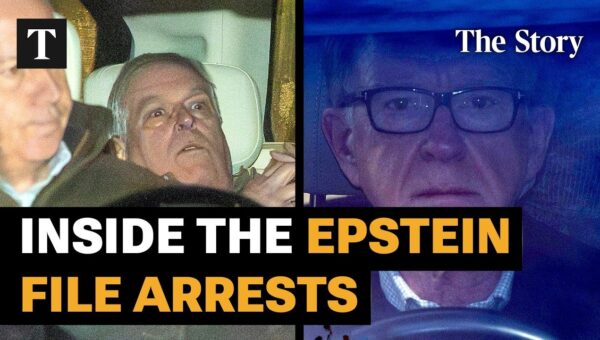
Royal Arrests Spark Debate: Andrew & Mandelson Investigations
Prince Andrew and Peter Mandelson face ongoing investigations for alleged misconduct. The Times journalists Luke Jones and Man Vin Rana discuss the legal proceedings, Prince Andrew's controversial past as a trade envoy, and the broader implications for the monarchy amidst a period of intense scrutiny.

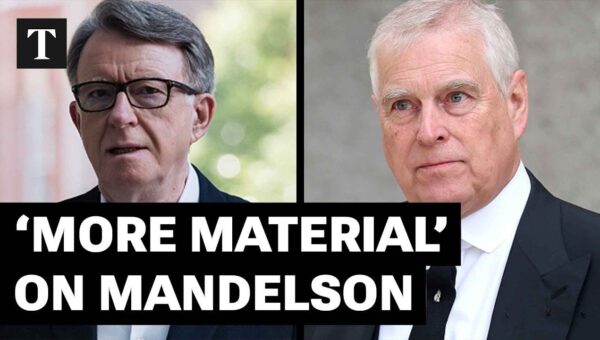
Former Envoy Mandelson Arrested on Suspicion of Misconduct
Former UK Ambassador to Washington, Peter Mandelson, has been arrested on suspicion of misconduct in public office and released on bail. The arrest followed a police search, suggesting investigators had gathered significant material. This development marks a dramatic fall from grace for the once-powerful diplomat.

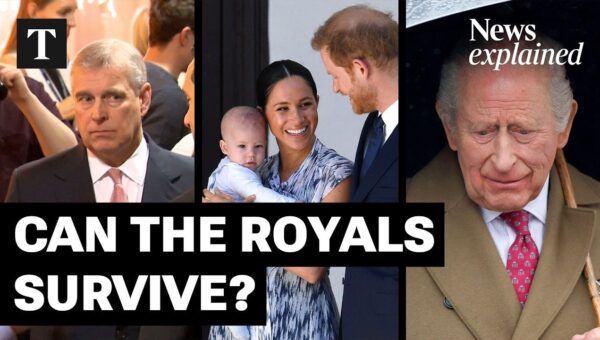
Royal Family Faces Crisis Amid New Allegations and Scandals
Prince Andrew has been arrested on suspicion of misconduct in public office related to confidential information shared with Jeffrey Epstein. This latest scandal adds to a series of controversies, including Prince Harry and Meghan Markle's departure and allegations of racism, testing the monarchy's resilience despite continued public support.