Middle East Tensions Threaten Luxury Car Sales Growth
Rising geopolitical tensions in the Middle East pose a growing threat to the lucrative luxury car market. Automakers like BMW, Porsche, and Mercedes-Benz have relied on this region for significant growth and high profit margins. Short-term conflicts could disrupt sales, while long-term instability might dampen consumer wealth and demand for expensive vehicles.

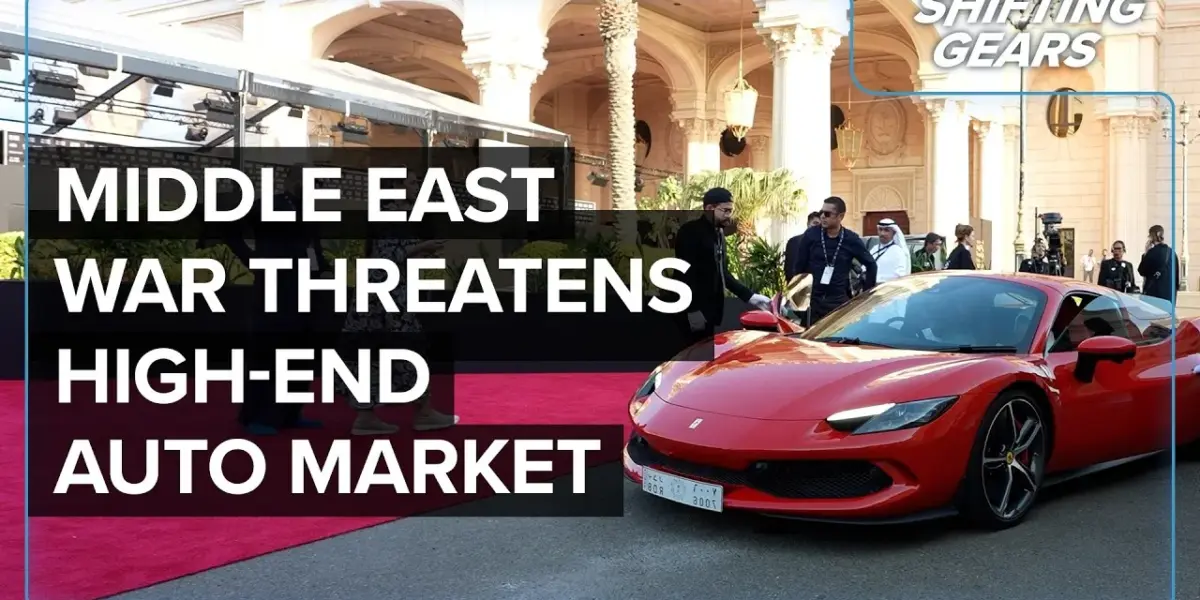
Middle East Tensions Spark Fears for Luxury Carmaker Growth
The Middle East may be a smaller market than the United States for car sales, but it has become a crucial engine for growth and profits, especially for luxury automakers. While the entire region sells only about 3 million cars annually, its importance far outweighs this volume. This is largely due to a high concentration of wealthy buyers in Gulf markets like Saudi Arabia and the United Arab Emirates (UAE), who have a strong appetite for high-end vehicles.
The UAE alone sees over 300,000 vehicle sales each year, with a significant portion being premium imports. Major luxury brands are reporting impressive gains in this region. For example, BMW Group saw its deliveries in the Middle East jump by around 10% in 2023. Even more telling, sales of its high-performance M variants soared by approximately 38%.
Analysts at GlobalData expect the luxury vehicle market in the Middle East to expand by 7% to 8% each year. They predict it could reach about 300,000 vehicles by 2033. Porsche has also seen substantial growth. Between 2020 and 2023, its revenue per vehicle in the Middle East increased by over 25%. The iconic Porsche 911 sports car now makes up 20% of the company’s sales in the region. Furthermore, its ultra-luxury Sonderwunsch customization service grew by an astonishing 125% from 2020 to 2024.
While these figures sometimes include data from Africa and India, the Middle East stands out as a prime growth area with high profit margins for premium car companies. Mercedes-Benz has also confirmed robust double-digit growth in the region. It highlighted the Middle East as one of its strongest markets globally for high-end models like the AMG G 63, which starts around $200,000. Over the past two years, Mercedes has actively expanded its presence in countries such as Saudi Arabia, the UAE, Kuwait, and Qatar.
Even low-volume, high-priced manufacturers like Ferrari see significant activity. In 2023, Ferrari shipped 626 vehicles to the Middle East. This number is higher than the total shipped to the UK, Switzerland, and France combined. Rolls-Royce also reported that the region was the world’s largest market for customized vehicles in 2024, based on the average value of each car.
Geopolitical Risks Loom Over Luxury Sales
However, this lucrative market now faces significant threats due to rising tensions in the Middle East. Porsche has explicitly stated in its annual report that the conflict in the region poses a risk to both its supply chains and customer demand. Mercedes-Benz also acknowledged the situation, noting that while it’s too early to determine the full impact, the company is closely watching developments.
There are two main concerns for the automotive industry. In the short term, ongoing conflicts could limit travel and mobility. This could directly reduce the number of people visiting car showrooms, leading to lower sales. In the longer term, a potential downturn in the region’s wealth could hurt demand. This might happen if asset prices fall or financial markets become unstable.
Why This Market Matters to Automakers
The Middle East’s importance is amplified by challenges automakers face elsewhere. Many companies are struggling to find growth in traditional strongholds. China, a key market, presents intense competition. The United States has imposed tariffs that make selling cars more difficult. These issues put even more pressure on regions like the Middle East to deliver profits.
The financial strain on some automakers is already evident. Porsche reported its first quarterly loss as a public company in October 2023. Mercedes-Benz saw its annual operating profit drop by more than half in the same year. Even American electric vehicle makers like Tesla are looking to the Middle East for sales as demand weakens in other parts of the world.
While GlobalData believes the Middle East market is resilient in the long run, near-term geopolitical instability is a concern. Such tensions tend to make consumers hesitant to spend on big-ticket items like luxury cars. This could significantly impact the sales targets and growth projections of premium automakers who have come to rely on this wealthy and eager customer base.
What Investors Should Know
The Middle East has been a high-margin growth region for luxury car brands. However, escalating geopolitical tensions introduce risks that could affect both sales and supply chains. Investors should monitor how these conflicts impact consumer confidence and wealth in key Gulf markets. Any significant disruption could slow down the impressive growth rates seen by companies like BMW, Porsche, and Mercedes-Benz. This could put further pressure on automakers already facing difficulties in other major markets like China and the US. The region’s ability to absorb luxury goods, especially expensive cars, is directly tied to its economic stability and security.
Source: How Middle East Tension Adds Another Threat To Challenged Luxury Carmakers (YouTube)

Related Articles


Peace Dividend Fuels Market Rally: Experts See Opportunity
A 'peace dividend' is signaling a potential market rally as geopolitical tensions ease, drawing parallels to the 1990s. Experts highlight opportunities in consumer staples, industrial sectors, and key resources like copper, driven by U.S. economic expansion and supply-side policies.


Market Fears Spark Rotation: Oil, Credit, AI Spending Concerns
Markets are experiencing a major rotation driven by geopolitical fears, concerns over private credit, and AI spending. While oil shocks are not seen as a long-term threat, investors are closely watching for contagion risks from private markets impacting banks and the broader stock market.


Lucid’s Profitability Path Faces Steep Hurdles
Lucid Motors faces significant financial headwinds, with a 96% stock decline since going public. The company's plan to reach profitability by 2030 relies on launching cheaper EVs and advancing autonomous driving, but faces challenges from low sales, high production costs, and uncertain market demand. Continued funding from the Saudi Arabian sovereign wealth fund is crucial for its survival.