Marketing Attribution Crisis: Brands Shift Focus to Measurable Channels
As traditional marketing attribution models falter, brands are pivoting towards channels with clearer ROI, prioritizing measurable tactics and first-party data. This strategic shift impacts MarTech investments and advertising spend.

Marketing Attribution Crisis: Brands Shift Focus to Measurable Channels
In a significant pivot driven by the apparent breakdown of traditional marketing attribution models, leading brands are strategically reallocating budgets towards channels that offer clearer, more measurable returns. This shift, particularly evident as companies look towards 2026, signals a departure from attempting to perfectly fix complex attribution systems and an embrace of what can be reliably tracked and quantified.
The Imperative for Measurability
The core of this strategic reorientation lies in the inherent difficulty of accurately attributing success across the increasingly fragmented digital marketing landscape. Channels such as paid search, email marketing, and Conversion Rate Optimization (CRO) are currently providing a level of attribution clarity that emerging or more complex channels often lack. In times of economic uncertainty or when return on investment (ROI) is difficult to prove across the board, this clarity becomes a critical asset. Companies are prioritizing budget protection and allocation in areas where performance can be demonstrably measured.
First-Party Data: The New Attribution Currency
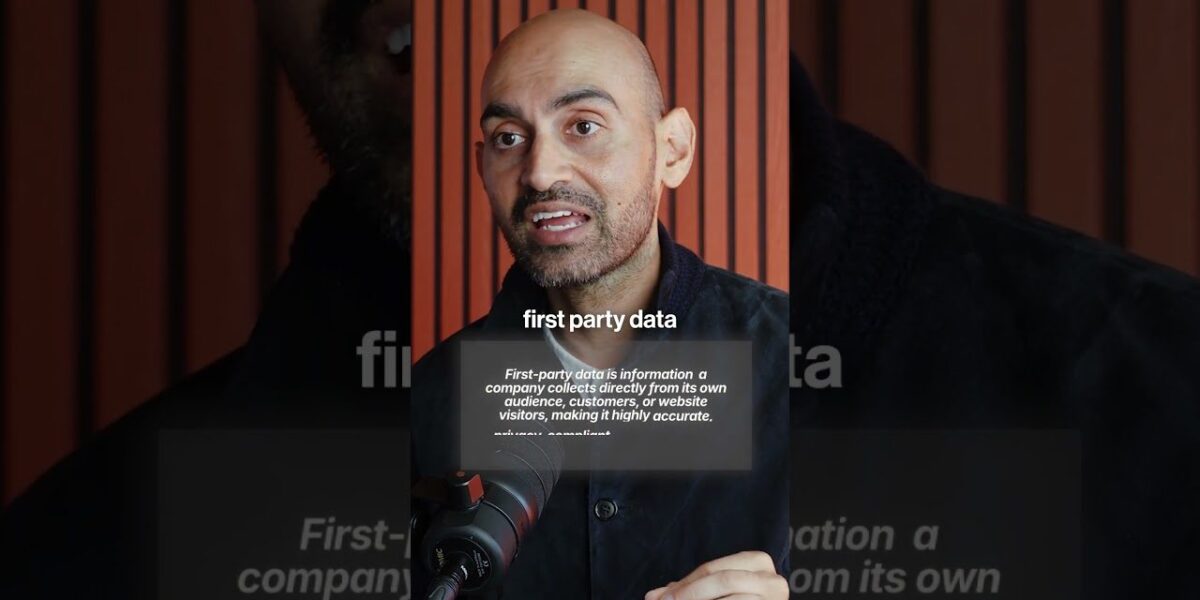
Beneath the surface of this budget reallocation, a more sophisticated strategy is emerging. Top-performing marketing teams are not merely defending their existing measurable channels; they are actively leveraging first-party data to enhance the measurability of all channels. First-party data, which is information collected directly from customers or prospects (e.g., through website interactions, email sign-ups, or purchase history), is proving to be invaluable.
The transcript highlights a strong trend in email and lifecycle marketing budgets: 60% of companies are maintaining flat spending in these areas, while a significant 23% are actually increasing their investment. This resilience is directly linked to the ability of first-party data to facilitate consistent message delivery. This becomes particularly important when paid reach is declining or when the quality of signals from third-party sources diminishes.
CRO and UX Remain Key Priorities
The emphasis on measurable outcomes and direct customer interaction also explains why Conversion Rate Optimization (CRO) and User Experience (UX) continue to be high priorities. CRO focuses on improving the percentage of website visitors who take a desired action (like making a purchase or filling out a form), while UX encompasses the overall experience a user has when interacting with a product or service. Both areas are intrinsically linked to measurable results and can be directly influenced by marketing efforts, making them attractive investments in the current environment.
Market Impact and Investor Considerations
The shift away from complex, potentially opaque attribution models towards measurable channels and first-party data strategies has several implications for the market and investors:
- Increased Investment in MarTech: Companies that provide robust first-party data solutions, advanced analytics platforms, and effective CRO/UX tools are likely to see increased demand and investment.
- Valuation of Digital Advertising: The perceived ROI of channels with less clear attribution may face scrutiny, potentially impacting valuations and ad spend in those areas. Conversely, channels with demonstrable ROI, like paid search and email, may become more attractive.
- Data Privacy Landscape: The growing reliance on first-party data underscores the importance of data privacy regulations and ethical data handling practices. Companies that can navigate this landscape effectively will have a competitive advantage.
- Focus on Customer Retention: Lifecycle marketing and email strategies, powered by first-party data, inherently focus on nurturing existing customer relationships, suggesting a growing emphasis on customer retention over pure acquisition.
What Investors Should Know
Investors monitoring the marketing technology (MarTech) and digital advertising sectors should pay close attention to companies that:
- Facilitate the collection, management, and activation of first-party data.
- Offer transparent and measurable campaign performance analytics.
- Provide tools and services that enhance CRO and UX.
- Demonstrate resilience in email marketing and customer lifecycle management solutions.
The current marketing landscape, characterized by attribution challenges, is forcing a pragmatic evolution. Brands are demonstrating a clear preference for accountability and measurability, making first-party data and well-defined channels the cornerstones of their strategies for the foreseeable future.
Source: Why Marketing Attribution is Officially Broken (YouTube)

Related Articles


Amazon’s Streaming Ad Dominance: A New Era
Amazon's integration with Netflix, Spotify, and Roku signals a major power shift in advertising. Leveraging unparalleled purchase data, Amazon's DSP offers sophisticated targeting, closing the loop from ad impression to sale and ushering in a new era of shoppable streaming.

Micro-Influencers Outperform Celebrities for ROI
A new analysis of 2,88 influencer campaigns reveals micro-influencers (10k-100k followers) deliver the highest ROI, significantly outperforming celebrities. This data suggests follower count is a poor predictor of success, with engagement and trust being key drivers. Brands can activate 100 micro-influencers for the cost of one celebrity, signaling a strategic shift towards targeted, authentic marketing.


Attention Fragmentation: The New Marketing Imperative
The modern audience's attention is fragmented across numerous platforms, demanding an omnichannel content strategy. Businesses must create content once and distribute it across various channels like YouTube, short-form video, blogs, email, and podcasts to build trust and reach.