LEGO Captures Rocketry’s Past and Future in New Model
A new LEGO Technic Space Launch System (SLS) rocket model allows builders to engage with modern spaceflight history. The build process sparks discussions on rocket engine evolution, from the F1 to Raptor, and the increasing use of consumer tech in space missions like Artemis.

LEGO Captures Rocketry’s Past and Future in New Model
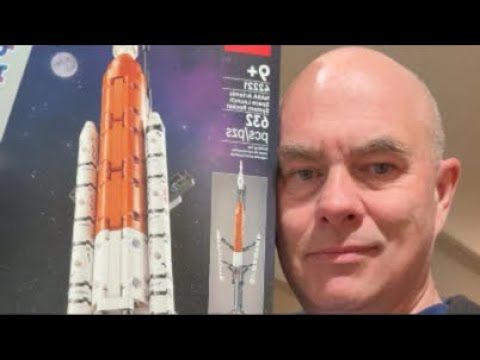
In a delightful intersection of engineering, history, and play, LEGO has released a new Technic model of the Space Launch System (SLS) rocket. This intricate set not only allows enthusiasts to build a detailed replica of NASA’s most powerful rocket but also serves as a surprisingly insightful commentary on the evolution of spaceflight technology and its portrayal in popular culture. The creator of this new build, an avid space enthusiast and builder, shared his experience assembling the model, offering a unique perspective that bridges the gap between the tangible world of plastic bricks and the awe-inspiring realm of space exploration.
A Rocket Renaissance in Plastic
The LEGO Technic SLS rocket set is more than just a toy; it’s a tribute to modern rocketry. The SLS, NASA’s flagship exploration rocket, is designed to carry humans deeper into space than ever before, with its maiden flight, Artemis I, successfully launching in November 2022. This mission marked a significant step in humanity’s return to the Moon and a prelude to future crewed missions to the lunar surface and beyond. LEGO’s decision to create a detailed Technic model reflects the public’s growing fascination with this new era of spaceflight. The set features complex mechanisms, mirroring the sophisticated engineering of the real SLS, which includes its massive core stage, powerful solid rocket boosters, and the Orion spacecraft.
Bridging Eras of Rocketry: From F1 to Raptor
During the build, the creator drew parallels between the LEGO SLS and historical rocket engines, particularly the iconic F1 engine that powered the Saturn V. The F1, developed in the 1960s for the Apollo program, was a marvel of its time, built with rudimentary computational tools and requiring extensive trial-and-error, often involving full-scale explosions, to perfect. In contrast, modern engines like SpaceX’s Raptor, designed for the Starship vehicle, benefit from advanced simulation and computational fluid dynamics, allowing for more precise development. The discussion highlighted the differing philosophies in engineering: the F1’s brute-force, hands-on development versus the Raptor’s data-driven, iterative approach. Despite the technological leaps, the builder expressed a fondness for the F1, appreciating its raw power and the sheer audacity of its development during a less technologically advanced era.
The Human Element: From iPhones to Artemis II
The conversation also delved into the human side of space exploration, touching upon the use of consumer technology in space. The recent launch of Crew-12 to the International Space Station (ISS), carrying iPhones, was noted as a significant milestone. While not officially showcased, the presence of these devices highlights the increasing integration of everyday technology into the space environment. The builder speculated about the potential for these devices to be used for incidental photography and data collection, adding a personal touch to the scientific endeavors. Furthermore, anticipation for the Artemis II mission, the first crewed flight of the SLS to orbit the Moon, was palpable. This upcoming mission, slated to carry four astronauts, including the first woman and the first person of color to journey to the Moon, represents a crucial step in establishing a sustainable lunar presence and preparing for eventual Mars missions.
Technic Ingenuity and the Art of Building
The process of building the LEGO Technic set itself offered a microcosm of engineering principles. The intricate gearbox mechanisms, interlocking gears, and structural frameworks required careful attention to detail and an understanding of how individual components contribute to the overall function. The builder’s occasional struggles with flipped video feeds and minor assembly errors only added to the relatable nature of the experience, emphasizing that even complex builds can present unexpected challenges. This hands-on engagement with a complex system, even a scaled-down plastic one, fosters an appreciation for the engineering prowess involved in real-world space missions.
Looking Ahead: The Future of Exploration and Play
The LEGO SLS model is a tangible link to the exciting future of space exploration. As NASA and private companies push the boundaries with missions to the Moon and Mars, sets like these allow the public to engage with these ambitious goals in a hands-on, educational, and enjoyable way. The builder’s enthusiasm for space, evident throughout the commentary, underscores the importance of such initiatives in inspiring the next generation of scientists, engineers, and astronauts. The journey from the iconic Saturn V to the powerful SLS, and the ongoing development of vehicles like Starship, represent a continuous narrative of human curiosity and our relentless drive to explore the cosmos. The LEGO Technic SLS rocket stands as a testament to this ongoing saga, a piece of engineering history and a promise of futures yet to unfold among the stars.
Source: Building the new LEGO rocket. (YouTube)

Related Articles
NASA’s Asteroid Mission: From Mars Dream to Lunar Gateway
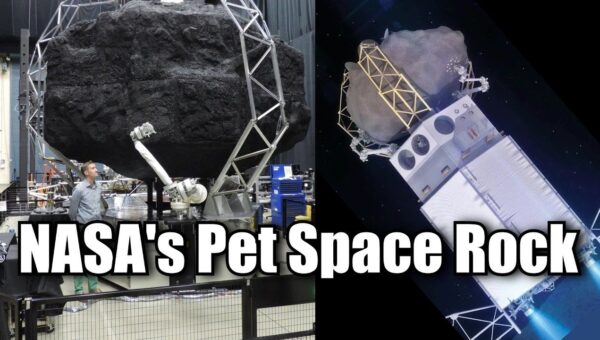
NASA's ambitious Asteroid Redirect Mission (ARM), designed as a stepping stone to Mars, aimed to capture a small asteroid boulder and tow it to lunar orbit for astronaut testing. Though cancelled, its advanced propulsion and robotic technologies live on in NASA's Lunar Gateway and future deep space exploration plans.

NASA’s Evolving SLS Rocket Hints at New Upper Stage
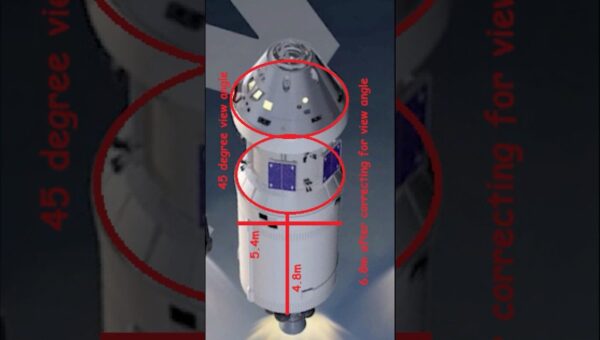
NASA's Artemis program may be adopting a new upper stage for its Space Launch System (SLS) rocket, potentially utilizing the commercially available Centaur V. An updated infographic reveals design changes and hints at evolving mission strategies, including advanced lunar lander operations.


SpaceX Starship V3 Nears First Flight Amidst Major Artemis Shakeup
SpaceX eyes March for Starship V3's maiden flight as new testing reveals design improvements. Meanwhile, NASA's Artemis program faces delays and strategic shifts, with Artemis III repurposed as a LEO test mission.