Lamborghini Pauses EV Plans, Ferrari Bets Big on Electric
Lamborghini is scaling back its full EV ambitions due to limited demand, opting for a plug-in hybrid strategy. In contrast, Ferrari is accelerating its electric vehicle development with the "Luce." This divergence highlights the challenges luxury automakers face in balancing electrification with brand identity and customer preferences.

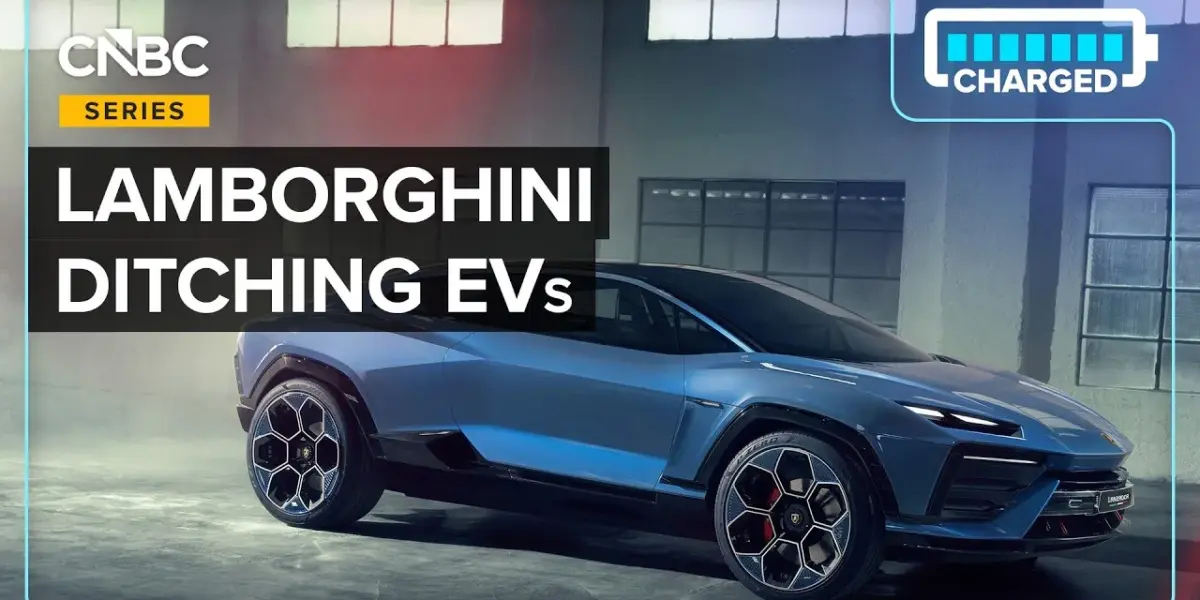
Lamborghini Ditches Full EV Push, Citing Slowing Adoption
The high-octane world of supercars is grappling with a fundamental question: how to embrace electrification when core customers may not be ready. Lamborghini, a titan of Italian automotive luxury, has publicly signaled a recalibration of its electric vehicle (EV) strategy, citing a significant slowdown in EV adoption, particularly within its niche market. In a statement, the company noted that the pace of EV adoption has “slowed considerably,” with demand for fully electric supercars remaining “very limited.” This assessment has led Lamborghini to shelve its plans for a purely electric supercar in favor of a plug-in hybrid approach.
Ferrari Presses Ahead with EV Ambitions
In stark contrast, Ferrari, Lamborghini’s fiercest competitor and a symbol of automotive excellence, is doubling down on its EV future. The iconic Maranello-based manufacturer is moving forward with its electric model, the “Luce,” signaling a divergent strategy from its Italian counterpart. If Lamborghini’s assessment of the market holds true, Ferrari’s commitment to a full EV could represent a significant gamble.
Brand Identity and the EV Challenge
The divergence in strategy highlights a critical challenge facing ultra-luxury automotive brands: preserving the very identity that commands their exorbitant prices and devoted following. For many enthusiasts, the visceral experience of a supercar is inextricably linked to the roar of a combustion engine, the tactile feel of its mechanical components, and even the scent of high-performance fuel. Electric powertrains, while offering instant torque and rapid acceleration, may struggle to replicate the emotional resonance that defines these exclusive vehicles.
“No electric supercar is going to stir you as a car guy. It might catapult you. It might strain you, specifically your neck muscles. It might convey you quickly. It does not stir your emotions.”
Brands like Lamborghini and Ferrari have built their legacies not just on performance, but on engineering heritage and the symphony of their engines. A shift to silent, battery-powered propulsion risks alienating a customer base that values these traditional attributes. This is akin to a historic brand known for its internal combustion prowess suddenly announcing a pivot to becoming a high-volume, mainstream manufacturer, potentially abandoning the very essence of its brand identity.
Corporate Structure and Strategic Autonomy
The differing paths taken by Lamborghini and Ferrari may also be influenced by their corporate structures. Lamborghini, a division of the Volkswagen Group, benefits from the resources and scale of one of the world’s largest automakers. This allows it a degree of flexibility to tailor its products to specific market segments, knowing that the broader VW Group caters to a diverse customer base. Ferrari, on the other hand, operates as an independent, publicly traded entity. With a much smaller annual sales volume—around 14,000 cars compared to VW’s 9 million—and a market valuation that dwarfs its parent company, Ferrari must ensure its strategies are broad-based and sustainable on its own.
The SUV Factor and Market Diversification
An interesting aspect of Lamborghini’s current sales is that approximately 60% are attributed to its Urus SUV, a model that has historically faced skepticism from purist enthusiasts. This suggests that a segment of Lamborghini’s customer base is already receptive to less traditional offerings. Ferrari also produces an SUV, the Purosangue, indicating a similar acknowledgment of market trends beyond traditional sports cars.
Hedging Bets in an Electrifying Auto World
While EV sales may currently face headwinds, the automotive industry’s trajectory is undeniably electric. Competitors like Porsche, a stablemate of Lamborghini within the VW Group, have already introduced compelling EVs, demonstrating that electrification can be achieved without sacrificing performance or brand appeal. Ferrari’s approach with the “Luce,” largely designed and engineered in-house, suggests a commitment to maintaining its distinct character even in an electric form. The company appears to be hedging its bets, aiming to satisfy its core clientele, who remain attached to internal combustion engines, while simultaneously catering to an emerging demographic of EV-inclined luxury buyers.
Market Impact and Investor Outlook
Lamborghini’s decision to pause its full EV plans underscores the current hesitance among some luxury automakers and their customer base regarding a complete transition. This could signal a slower adoption curve for EVs in the ultra-luxury segment compared to mass-market vehicles. Investors will be watching closely to see if Lamborghini’s hybrid strategy proves more commercially viable in the short term, while Ferrari’s all-in approach on EVs could position it for long-term dominance if consumer preferences shift decisively towards electric power. The success of each strategy will likely depend on the brands’ ability to innovate and deliver compelling vehicles that resonate with their exclusive customer base, regardless of powertrain.
Source: Why Lamborghini Has Ditched EVs And Ferrari Hasn’t (YouTube)

Related Articles


Ferrari Luce Spied: A Bold New Direction or a Design Disaster?
The first spy shots of the upcoming Ferrari Luce have surfaced, sparking intense debate over its radical new design. While early reactions are mixed, the car's developer has expressed anxiety, hinting at a departure from traditional Ferrari aesthetics.

Porsche’s Profit Plunge: A Business Model in Crisis
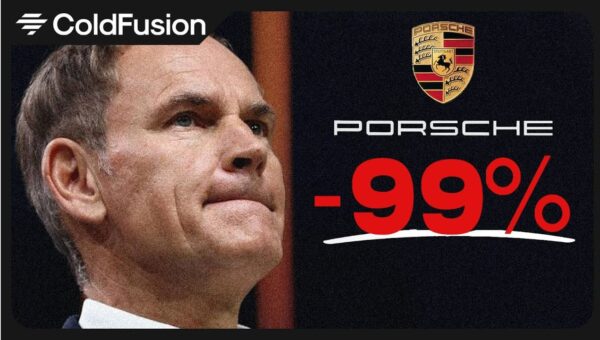
Porsche's operating profit has plummeted by 99%, signaling a crisis for its long-standing business model. The luxury automaker faces challenges from shifting market demands, intense EV competition, and the high costs of electrification, forcing a strategic recalibration.


Used EVs Offer Strong Value Proposition for Consumers
Consumers are finding significant value in the used electric vehicle market, with some models like older Teslas retaining their value remarkably well. This trend offers a compelling alternative to purchasing new vehicles, highlighting the long-term cost-effectiveness of pre-owned EVs.