Journalist Urges FCC Chair to “Do Your Job,” Cites Vietnam War Lies
A journalist has sharply criticized FCC Chair Brendan Carr, urging him to "do your job" and stop acting as a political tool for the president. Drawing parallels to the damaging legacy of Pentagon lies during the Vietnam War, the commentary emphasizes the press's vital role in questioning assumptions and warning of dangers during times of conflict.

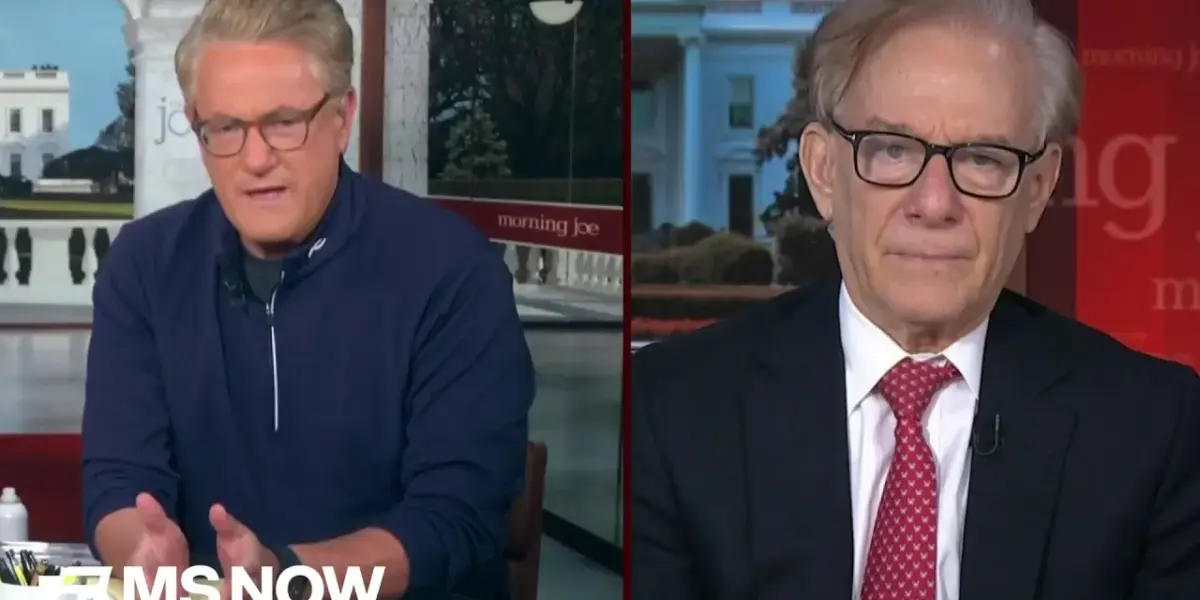
Journalist Criticizes FCC Chair, Warns Against Repeating History
In a pointed commentary, a journalist has directly addressed Federal Communications Commission (FCC) Chair Brendan Carr, urging him to cease what is described as “posing for the president” and to instead focus on his regulatory duties. The criticism comes amid ongoing geopolitical tensions and draws a stark parallel to the damaging legacy of misinformation during the Vietnam War, emphasizing the critical role of a free press in holding power accountable.
Echoes of Vietnam: The Peril of Pentagon Lies
The journalist evoked the painful memory of the Vietnam War, recalling how decades of “constant lies” from the Pentagon and its spokespeople eroded public trust and took “two decades to recover from.” This historical parallel serves as a potent warning against the current administration’s alleged attempts to control the narrative and suppress critical reporting. The speaker lamented that some, like Pete Hegseth, appear to have forgotten the “severe, lasting generational damage” caused by the Pentagon’s deception during that era.
“When I hear this from Pete Hegseth… when I hear this from they don’t remember the severe, lasting generational damage that all the lies coming from the Pentagon during the Vietnam War, how long it took our United States military to recover for that.”
The sentiment is that while the scale of deception might differ, the underlying danger of suppressing truth remains. The journalist criticized figures like Ari Fleischer for suggesting that reporting negatively on the military is akin to “rooting against America,” asserting that such individuals “know better” and that the press is, in fact, “doing its job” by reporting honestly.
Strategic Missteps and a Deep Sense of Foreboding
The article also touches upon the current military conflict, acknowledging the President’s difficult position when a war is not progressing as desired. While commending the “extraordinarily good” performance of U.S. military personnel on the ground, the journalist pointed to a critical disconnect between tactical successes and strategic planning. The core concern highlighted is the apparent lack of a clear strategy for “how you terminate the conflict on terms that are advantageous.”
This strategic void, coupled with reports from Washington over the weekend, has fostered a “deep sense of foreboding.” A significant unaddressed threat looms: terrorism, an area where Iran is described as particularly adept. The concern is that a cornered Iran has not yet deployed its full capabilities, leaving a dangerous uncertainty about future escalations.
The Press’s Essential Role in Times of Conflict
Against this backdrop, the journalist underscored the indispensable function of the press. In times of war, the media’s duty becomes “more clearly than ever” to be honest, warn of potential dangers, and rigorously question the assumptions made by policymakers. The current climate, the speaker argued, demands skepticism rather than blind affirmation.
The assertion is that asking tough questions is not about aiding the enemy, but rather about supporting “our men and women in uniform” by ensuring sound decision-making. This responsibility extends to warning against actions that could be detrimental in the long run.
Direct Appeal to FCC Chair Brendan Carr
The commentary culminates in a direct and impassioned plea to FCC Chair Brendan Carr. The journalist, admitting to never having met Carr, implored him to stop threatening media outlets with punishment, particularly in response to reporting from sources like The Wall Street Journal. The message was unequivocal: “Please stop. There will be a time when this administration is over and you don’t want all of this following you the rest of your life. It’s just embarrassing.”
The core of the appeal is for Carr to “do your job” and cease acting as a political operative for the president. The warning is that such behavior is not only unprofessional but ultimately self-defeating and will lead to long-term personal and professional embarrassment. The article notes that even some Republicans reportedly share this sentiment, highlighting a potential bipartisan concern over the FCC chair’s actions.
Looking Ahead
The situation underscores a critical juncture for both media integrity and strategic foreign policy. As the conflict evolves and the administration faces scrutiny, the public will be watching closely to see if the press continues to fulfill its watchdog role and whether regulatory bodies like the FCC prioritize their mandated duties over political allegiances. The historical parallels drawn suggest that the consequences of failing to do so can be profound and long-lasting.
Source: Joe to F.C.C. chair: Do your job and stop posing for the president (YouTube)

Related Articles
Trump’s “Walk Away” Tactic Signals Tougher Stance on China
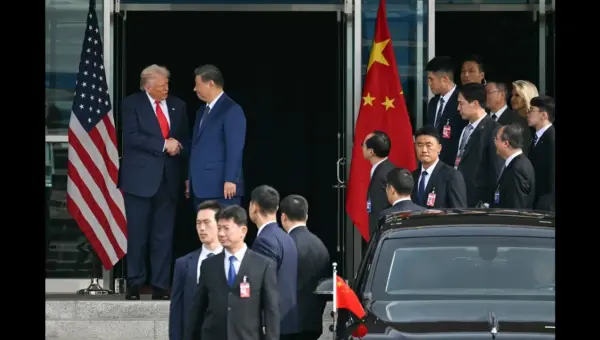
Retired Air Force Brigadier General David Stillwell believes President Trump's strategy of being willing to walk away from negotiations puts pressure on China. This tactic, combined with US global actions and strengthened alliances, signals a more assertive American foreign policy.
Trump’s War Talk Stuns Financial Crowd
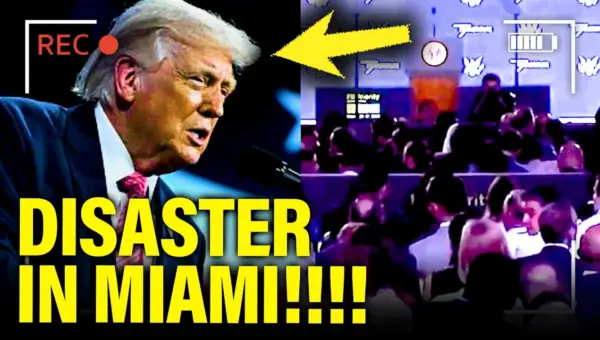
Donald Trump's recent speech in Miami focused on his foreign policy, particularly his critical views on NATO and his vision for international relations. He declared the U.S. would no longer defend NATO allies, questioned the value of existing alliances, and suggested renaming the Strait of Hormuz. The speech also touched on his personal views of success, his allies, and his perceived role as a global peacemaker.
Trump’s Warpath: New Threats Signal Imperial Ambitions
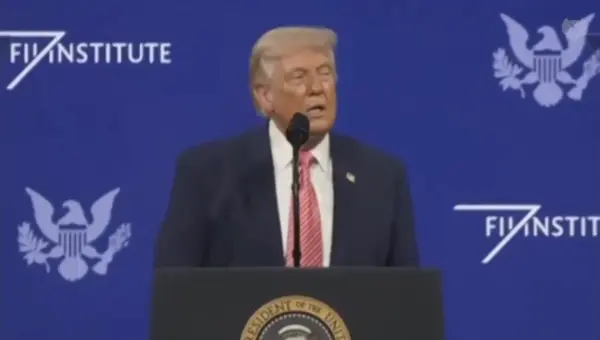
Recent statements from Donald Trump reveal a potential embrace of increased military action and interventionist foreign policy. This approach, characterized by critics as "imperialism 2.0," contrasts with his past promises of peace and has even drawn criticism from parts of his own base. The implications for U.S. global engagement and domestic priorities are significant.