Ferrari’s Manual Misstep: A Missed Billion-Dollar Opportunity
Ferrari's continued omission of the manual transmission in new models is a significant financial oversight. The booming auction market for manual Ferraris demonstrates a clear, lucrative demand that the Italian marque is currently ignoring, alienating enthusiasts and missing out on substantial profits.

Ferrari’s Manual Transmission Gamble: A Costly Oversight for Enthusiasts
In a move that continues to baffle automotive purists and collectors alike, Ferrari, the iconic Italian marque synonymous with blistering performance and unparalleled driving engagement, has seemingly abandoned the manual transmission. This decision, while perhaps strategically sound from a mass-production standpoint, represents a colossal missed opportunity and a significant financial misstep, particularly when viewed against the backdrop of a burgeoning market for enthusiast-focused vehicles.
The evidence is overwhelming. The auction market is currently awash with modern, low-mileage Ferraris, many of which command astronomical prices. A significant driver of this demand, especially for models from the late 90s and early 2000s, is the presence of a manual gearbox. Enthusiasts, a demographic Ferrari has cultivated for decades, are actively seeking out these increasingly rare analog experiences. They possess the financial wherewithal and the burning desire for a tactile connection to the machine, a connection that modern, lightning-fast dual-clutch transmissions, while undeniably effective, simply cannot replicate.
The Allure of the Third Pedal
The argument for reintroducing a manual option is compelling. Ferrari has built its legacy on providing an emotional driving experience. The precise engagement of a clutch, the satisfying thud of a gate shift, the ability to perfectly heel-and-toe into a corner – these are elements that contribute to the visceral thrill of driving a Ferrari. For a segment of their most dedicated and affluent clientele, these are not mere nostalgic preferences; they are core components of the automotive dream. By withholding this option, Ferrari is not just denying enthusiasts a choice; it’s potentially alienating a passionate and lucrative customer base.
Consider the sales figures. While precise data on manual vs. automatic Ferrari sales is scarce, the astronomical prices fetched by manual examples at auction speak volumes. These aren’t niche curiosities; they are highly sought-after commodities. Wealthy collectors are actively paying premiums for the privilege of rowing their own gears in a Ferrari. This demonstrates a clear market demand that Ferrari is currently choosing to ignore. It’s a classic case of a manufacturer failing to capitalize on a passionate niche, a niche that, in the realm of supercars, can translate into substantial profits.
Competitors Paving the Way
Ferrari isn’t alone in the supercar segment, and competitors are not shying away from catering to enthusiast desires. While many have transitioned to sophisticated automatics, brands like Porsche have continued to offer manual options on certain models, acknowledging the enduring appeal. The success of these manual-equipped Porsches, often selling out and commanding strong resale values, serves as a tangible example of the market’s appetite. Ferrari, with its unparalleled brand prestige, has an even greater potential to leverage this demand.
The Financial Implication
The financial argument against a manual transmission is often rooted in economies of scale. Developing and producing a manual gearbox for a limited number of vehicles might seem cost-prohibitive compared to a widely used dual-clutch system. However, this perspective fails to account for the premium pricing such exclusivity can command. A limited-production, manual-only variant of a popular Ferrari model could be positioned as a halo product, a special edition that generates significant buzz and commands a substantial price premium. The marketing potential alone, tapping into the nostalgia and desire for analog driving, would be immense.
Furthermore, the cost of developing a bespoke manual transmission for a low-volume supercar is arguably less daunting than the cost of developing and continuously updating the complex dual-clutch systems required for their mainstream models. It’s a matter of strategic allocation of resources and a willingness to embrace a segment that, while smaller, is incredibly loyal and financially capable.
Verdict: A Missed Masterpiece
Ferrari’s decision to forgo the manual transmission in its new models is a perplexing one. It flies in the face of clear market signals and ignores a significant opportunity to engage with its most passionate enthusiasts. While the company’s focus on cutting-edge technology and performance is understandable, there is a clear and present demand for the analog driving experience that only a manual gearbox can provide. By not offering this option, Ferrari is not only missing out on potential revenue from eager collectors and driving purists but is also risking alienating the very community that has helped build its legendary status. It’s a missed opportunity that, for many, feels like a step backward in the pursuit of automotive perfection.
Source: The Worst Car Decisions of the Last 30 Years (YouTube)

Related Articles

BMW Wagon Sells for $52,500: A Future Classic?
A 2010 BMW 535i Xdrive Sports Wagon sold for $52,500, setting a new benchmark for the model. This rare manual, all-wheel-drive wagon with M Sport package is proving to be a highly sought-after modern classic.
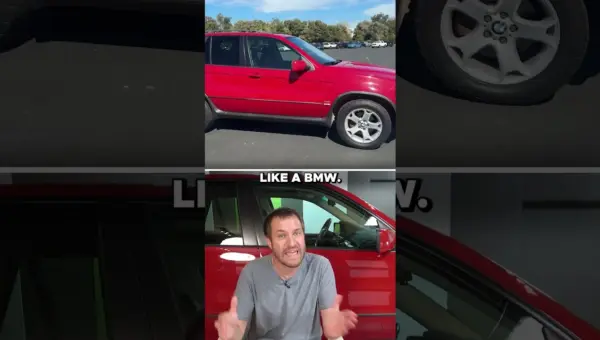
BMW X5: The Original SUV That Drove Like a Sports Car
The 2005 BMW X5 wasn't just BMW's first SUV, it was a revelation that proved SUVs could drive like sports cars. This rare manual transmission model up for auction represents a unique opportunity to own a piece of automotive history that changed the segment forever.
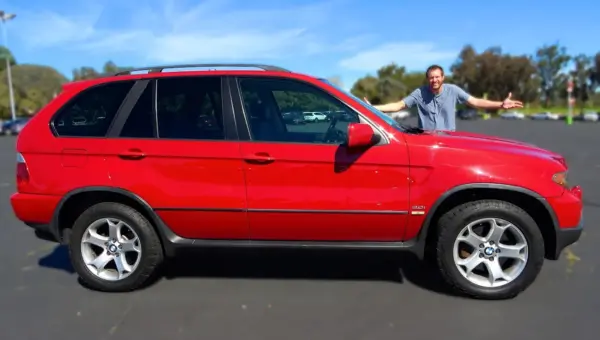
BMW X5: The SUV That Redefined a Brand
The original BMW X5, launched in 2000, wasn't just BMW's first SUV – it was a game-changer that redefined the brand and the luxury SUV segment. This pioneering model blended sporty driving dynamics with SUV practicality, setting a new standard for performance in its class. Even today, its influence is evident in BMW's dominant SUV sales.