FCC Official’s Boast Exposes Media Control Agenda
Former FCC Chair Brendan Carr's public boasts at CPAC about media changes like PBS and NPR defunding, and shifts at CBS and CNN, have raised serious concerns. Critics argue these statements expose a deliberate agenda to influence and control news organizations, potentially undermining press freedom.

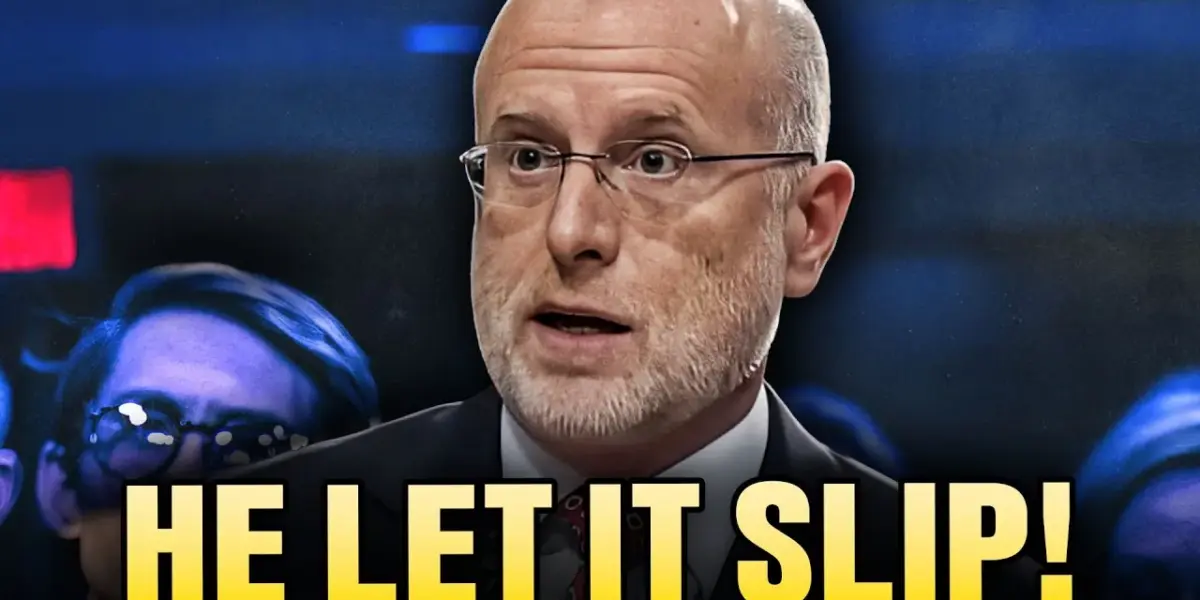
FCC Official’s Boast Exposes Media Control Agenda
At a recent conservative conference, Brendan Carr, a former Federal Communications Commission (FCC) chair appointed by Donald Trump, made a surprising public statement. He seemed to brag about actions that have led to changes in major news organizations like PBS, NPR, CBS, and CNN. This admission has sparked serious questions about government influence over the press.
Carr, whom some have called Trump’s “attack poodle,” appeared at the Conservative Political Action Conference (CPAC). He listed several media outlets and pointed to recent shifts as positive outcomes. “Look at the results so far,” he reportedly said. “PBS defunded, NPR defunded. Steven Colbert is leaving. CBS is under new ownership. And soon enough, CNN is going to have new ownership as well.”
These comments drew sharp criticism from journalist Anthony Fiser, writing for MSNBC. Fiser suggested that while Carr might see these changes as wins, a more careful approach would have been to remain silent. He pointed out that the defunding of PBS and NPR was openly justified as ending taxpayer support for “biased media.” However, Carr’s linking of these actions to business changes at CBS and CNN seemed to drop the pretense that these were purely market-driven decisions.
Fiser’s analysis suggests that Carr’s public boasting revealed a deeper strategy. “You idiots keep running your mouths,” Fiser was quoted as saying, criticizing the administration’s tendency to brag about actions that could be seen as undermining democratic institutions. He warned that such open admissions could eventually backfire.
A Pattern of Pressure?
This isn’t the first time Carr has made strong statements about the media. Just weeks before his CPAC appearance, he used social media to suggest that broadcasters spreading “hoaxes and news distortions” should “correct course before their license renewals come up.” He reminded them that broadcasters must operate in the “public interest” or risk losing their licenses.
Carr also cited a statistic that trust in legacy media has dropped to a low of 9%. However, he seemed to wrongly connect low ratings with the ability to get a broadcast license. As critics pointed out, having poor ratings doesn’t automatically prevent a network from renewing its license. The example of One American News Network was mentioned as an outlet that has faced less scrutiny despite its content.
Critics argue that Carr’s statements are not about journalistic standards but about punishing news outlets that report critically on the Trump administration. They fear he is using his position to promote a specific narrative, where “truth is fake” and “lies are real.” This approach, they believe, aims to control public perception by threatening the licenses of critical broadcasters.
Historical Context: Government and the Press
The relationship between government and the press has always been complex. The First Amendment to the U.S. Constitution protects freedom of speech and the press, preventing the government from making laws that abridge these rights. However, this protection has been tested throughout history.
During times of war or national crisis, governments have sometimes sought to control information. Historically, licensing of broadcasters by bodies like the FCC has been seen as a way to ensure airwaves are used responsibly. But using the threat of license revocation to influence editorial content is a significant escalation.
The idea of “operating in the public interest” is a core principle for broadcasters. It generally means serving the community’s needs and providing diverse viewpoints. However, defining what constitutes the “public interest” can be subjective and has been a point of contention in regulatory debates for decades.
The Impact on Journalism
The “assault on the media” described by critics is seen as a dangerous trend. When government officials appear to use regulatory power to pressure news organizations, it can stifle investigative journalism and independent reporting. This can lead to a less informed public, which is detrimental to a healthy democracy.
The changes at CBS and CNN, whether influenced by government pressure or not, represent a significant shift in the media landscape. When ownership changes, new management may bring different editorial priorities. This can affect the types of stories covered and the perspectives presented to viewers.
Why This Matters
Brendan Carr’s public statements are significant because they appear to confirm fears that the Trump administration sought to exert political control over news organizations. By openly linking government actions to changes in media ownership and operations, Carr has arguably revealed an agenda that goes beyond standard regulatory oversight.
This matters because a free and independent press is a cornerstone of democracy. When the press faces pressure or intimidation from those in power, its ability to hold leaders accountable is weakened. The public’s access to reliable information is threatened, making it harder for citizens to make informed decisions.
Looking Ahead
The damage done to public trust in media, and potentially to the media organizations themselves, could be long-lasting. While individual viewers can choose to “turn off” news sources they disagree with or distrust, this doesn’t solve the larger issue of potential government overreach.
Addressing such issues will likely require future administrations to reaffirm the importance of press freedom and establish clear boundaries between government and media. For now, the conversation continues about how to protect journalistic integrity in an era of heightened political polarization and evolving media technologies. The challenge remains to ensure that the public has access to diverse and trustworthy news sources, free from undue political influence.
The video suggests that creators outside of traditional media might offer an alternative for those seeking unfiltered news. These independent voices aim to provide coverage without fear of intimidation. However, the responsibility ultimately lies with the public to seek out reliable information and support the institutions that uphold journalistic standards.
Source: Trump's FCC Chair Makes Shocking Admission About His Corruption (YouTube)

Related Articles
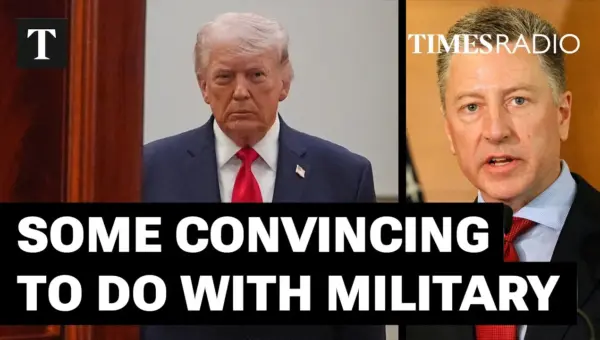
Trump’s NATO Threats Spark Global Unease, Ex-Envoy Warns
Former Ambassador Kurt Volker warns that President Trump's questioning of NATO and the ongoing conflict with Iran are creating global instability. The war's unclear outcome benefits Russia and potentially China, while straining U.S. relations with European allies. Volker suggests Trump's NATO threats are a tactic to pressure allies, but legal and political hurdles make withdrawal difficult.
Trump Fires Bondi: A Loyalty Test Ends in Public Humiliation
Pam Bondi's dismissal as Attorney General by Donald Trump was reportedly a "dramatic showdown," not a quiet transition. Accusations of an "unforgivable offense" and alleged interference in the Epstein files controversy fueled the conflict. The incident highlights a pattern of demanding loyalty and then discarding allies when they are no longer useful.
Trump Ousts Bondi Amid Epstein Probe, Congress Demands Answers
Congressman Seth Moulton claims President Trump removed Pam Bondi from her position due to her impending deposition in the Jeffrey Epstein case. The conversation also addressed the escalating conflict with Iran, with Moulton criticizing the administration's strategy and calling for transparency.