FCC Memo Could Censor Political Interviews on TV
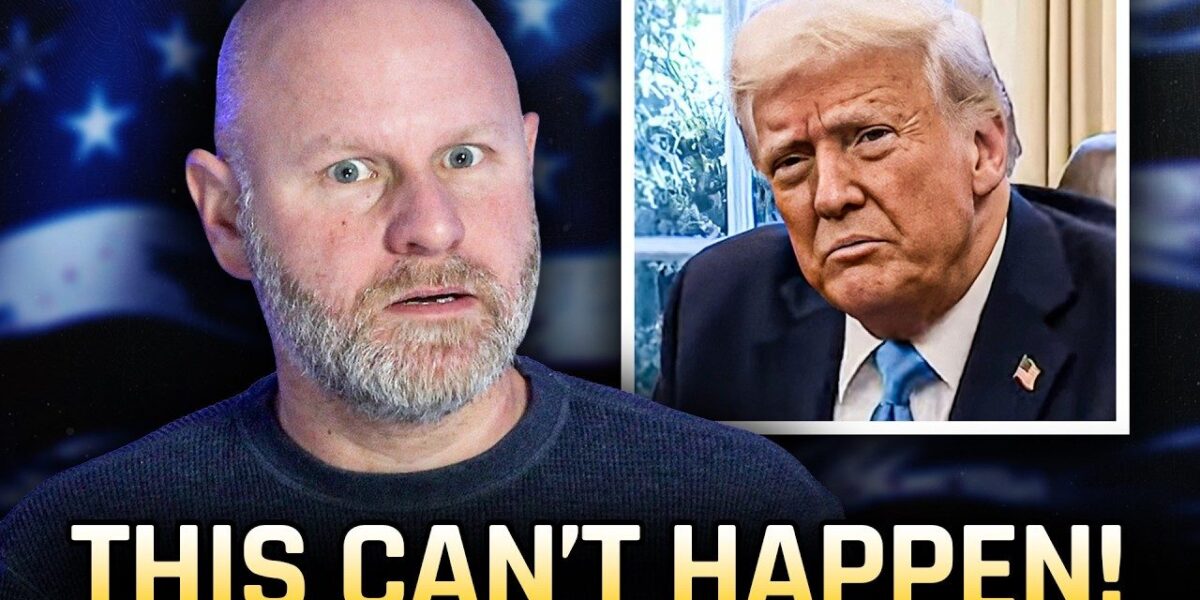
A leaked FCC memo suggests the Trump administration's FCC is considering new rules that could allow it to approve or deny interviews with political candidates on broadcast television, sparking fears of censorship. The proposal, which follows the controversial pulling of a Stephen Colbert interview, could grant the FCC the power to determine which political voices are heard.

FCC Memo Sparks Concerns Over Political Interview Censorship
A recently uncovered internal memo from the Federal Communications Commission (FCC) has ignited a firestorm of debate regarding potential censorship of political interviews on broadcast television. The memo, reportedly issued last month and detailed by The New York Times, suggests a significant shift in FCC policy that could empower the commission to dictate which political candidates and elected officials appear on television, effectively granting the FCC a gatekeeping role over political discourse.
The Core of the Controversy: ‘Partisan Purposes’
At the heart of the FCC’s proposed change is the idea of restricting interviews with political candidates or elected officials if they are deemed to be for “partisan purposes,” unless prior approval is obtained from the FCC. This would mean that networks like CBS, ABC, and NBC might have to seek permission from FCC Chairman Brendan Carr, appointed by Donald Trump, before airing interviews with politicians. Failure to comply could result in substantial fines, potentially running into millions of dollars.
In practice, this would allow the FCC to determine which candidates get airtime, and it is already having a chilling effect.
The implications of such a policy are far-reaching. Critics argue that this move could disproportionately silence Democratic voices while allowing conservative outlets and networks, such as Fox News, Newsmax, and One America News, to continue featuring Republican politicians without similar scrutiny. The concern is that the FCC could leverage this new rule to create an uneven playing field, ensuring that only Republican viewpoints are amplified on mainstream broadcast networks.
A Chilling Precedent: The Colbert Incident
The controversy gained immediate traction following a decision by CBS to pull an interview with Democratic candidate James Telerico from host Stephen Colbert’s show. While initially appearing to be an isolated incident, the newly revealed memo suggests it may have been an early indicator of a broader FCC directive. The memo, which CBS apparently received, reportedly warned that broadcasters could violate rules by airing interviews motivated by partisan purposes. This suggests that CBS may have pulled the interview to avoid potential FCC penalties, demonstrating the “chilling effect” the memo is already having on journalistic decisions.
Historical Context: The Repeal of the Fairness Doctrine
To understand the potential impact of the FCC’s current actions, it’s important to look back at media regulation history. In the 1980s, the Reagan administration rescinded the Fairness Doctrine. This doctrine had required broadcasters to present controversial issues of public importance in a manner that was honest, fair, and balanced, and to provide opportunities for the presentation of opposing viewpoints. Its repeal significantly altered the landscape of broadcast media, arguably paving the way for the proliferation of partisan news outlets and a less balanced media environment, while also freeing networks to interview a wider range of political figures without FCC oversight.
The current FCC proposal appears to seek a reversal of this deregulation, reintroducing a form of oversight that many believed was dismantled decades ago. The argument is that the FCC, under its current leadership, is attempting to reassert control over broadcast content, even if the legal framework for such control is contested.
Calls for Transparency and Whistleblowers
The potential for the FCC to influence which political figures receive airtime has led to urgent calls for greater transparency within media organizations. The source of the report, an unnamed individual speaking to The New York Times, highlights the need for internal dissent. There is a plea for whistleblowers within networks like CBS, ABC, and NBC to come forward, share any directives they receive, and document meetings where such policy changes are discussed. The aim is to bring these behind-the-scenes decisions into the public domain, allowing citizens to understand the full extent of the FCC’s influence and the pressures faced by broadcasters.
The call emphasizes that external observers lack the direct access to internal communications and meeting minutes that could expose the full scope of the FCC’s agenda. By encouraging leaks, the hope is to foster accountability and preserve the perceived independence of news organizations.
Looking Ahead: The Future of Broadcast Journalism
The FCC’s proposed policy shift, as revealed by the internal memo, raises critical questions about the future of political coverage on American television. The potential for government influence over interview practices could fundamentally alter the relationship between the press, politicians, and the public. As the situation unfolds, attention will be focused on how broadcast networks respond to these potential regulatory pressures, whether legal challenges emerge, and if further information comes to light from within the industry itself. The coming weeks and months will be crucial in determining whether this memo represents a genuine threat to journalistic freedom or a policy that will ultimately be resisted.
Source: Shocking Trump Admin Memo Could SILENCE The Left (YouTube)

Related Articles
FCC Chair’s “Pledge America” Campaign Sparks Controversy
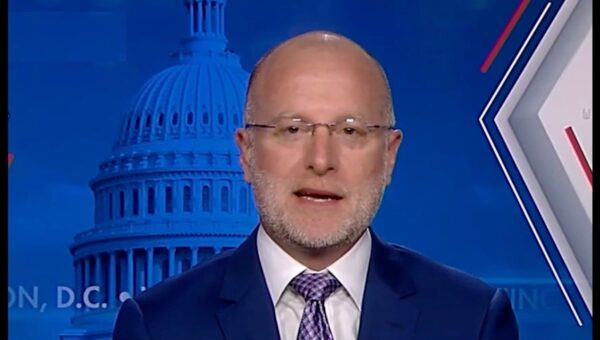
FCC Chair Brendan Carr's "Pledge America" campaign encourages broadcasters to air more patriotic content, including the national anthem and Pledge of Allegiance. The initiative has sparked controversy, with critics accusing Carr of overreach and potential First Amendment violations.
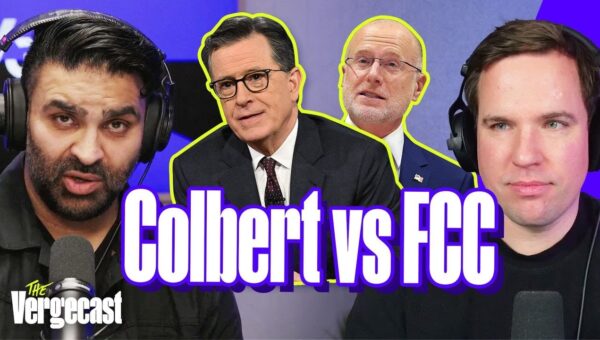
Colbert’s Interview Ban Highlights FCC ‘Chilling Effect’
Stephen Colbert's decision to move a candidate interview to YouTube due to FCC 'equal time' rule concerns highlights the 'chilling effect' on broadcast speech. The incident sparks debate on regulatory overreach and the media's role in public discourse.
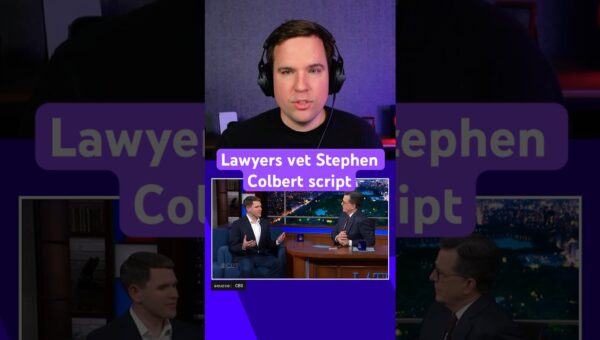
Colbert’s Script Lawyers: A Broadcast TV Glitch?
Stephen Colbert's admission of lawyers vetting every script, including backstage consultations, highlights the stringent legal oversight in broadcast television. This practice raises questions about creative freedom compared to less regulated digital platforms.