FCC Commissioner: “No Authority” Behind Broadcaster Threats
FCC Commissioner Anna Gomez asserts that Chairman Brendan Carr's threats against broadcasters lack constitutional authority, calling them an attempt to intimidate the press. Gomez warns that such actions, including leveraging merger approvals, aim to silence critical reporting and erode First Amendment protections.

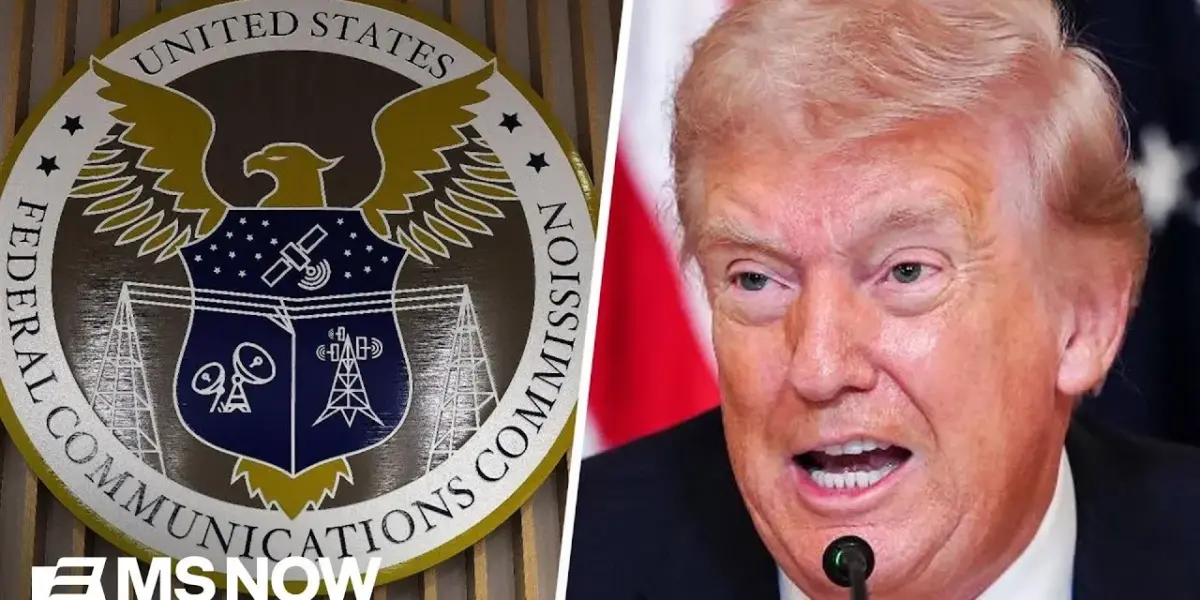
FCC Commissioner Slams Chair’s Threats Against Broadcasters
WASHINGTON D.C. – FCC Commissioner Anna Gomez has strongly refuted claims made by FCC Chair Brendan Carr regarding the commission’s authority to penalize broadcasters for unfavorable coverage. In a recent statement, Commissioner Gomez asserted that the threats lack any legal or constitutional basis, warning that such actions represent a dangerous overreach by the administration and a direct assault on First Amendment protections.
“No Authority Behind These Threats”
Commissioner Gomez directly addressed the escalating rhetoric from FCC leadership, stating, “The threats are the point, and we cannot diminish the effect of the chilling effect on our news coverage and on broadcasters generally. But what we need everyone to understand is that there is no authority behind these threats.” She emphasized that the FCC’s licensing powers are limited to local broadcast stations, not the networks themselves, and crucially, that retaliating against a station based on its coverage would violate the First Amendment.
“This FCC keeps pretending like it has the power to control coverage and to revoke licenses over coverage it doesn’t like, but it does not,” Gomez stated. “We would not be able to retaliate against a coverage of a local broadcast station just because we didn’t like the coverage, because that would run headlong into the First Amendment.” She characterized these actions as part of a broader pattern by the current administration to “push the boundaries of the Constitution,” a pattern that has consistently failed in past attempts and would fail again in this instance.
“Anyone that capitulates in advance is simply advancing this administration’s agenda. This administration has spent the last year, year plus attacking the news, attacking the credibility of the news, attacking journalists for doing their job. And now it claims that there’s no trust in news after it spent all this time attacking the news.”
– FCC Commissioner Anna Gomez
Chilling Effect and Capitulation
The core concern, according to Commissioner Gomez, is the “chilling effect” these threats have on journalistic integrity and broadcast operations. “What this administration wants is for everyone to comply. It wants the broadcasters, it wants journalists to bend to its will, and it will continue to do these threats,” she explained. Gomez pointed to multiple investigations opened by the FCC against broadcasters due to their coverage, none of which have resulted in any concrete action, suggesting these are intimidation tactics rather than legitimate regulatory processes.
The commissioner highlighted how the administration leverages its authority over mergers and other business dealings to pressure media companies. “We have all of the licensees that we oversee. Any time we have a merger that we have to act on, this administration exerts pressure on those companies in order to get them to change how they cover the news and what their content is,” Gomez said. She cited the example of CBS, which reportedly promised to appoint a “news arbiter” to oversee its content in exchange for the approval of its transaction.
Gomez expressed concern that large corporations, despite their significant value and resources, are capitulating to these pressures. “My fear is, of course, that they will capitulate in advance, further eroding our First Amendment protections,” she warned. She urged broadcasters, journalists, and the public to “push back” against these actions, noting that “they always demand more” after a single capitulation.
Broader Context: Attacks on the Press
Commissioner Gomez situated the FCC’s actions within a larger context of the administration’s sustained attacks on the news media. “This administration has spent the last year, year plus attacking the news, attacking the credibility of the news, attacking journalists for doing their job,” she observed. She criticized the irony of an administration that actively undermines trust in news organizations then complaining about a lack of public trust in the media.
The commissioner also drew parallels to President Trump’s rhetoric, including his labeling of news networks as “traitors” and suggesting they should face charges of treason for their coverage of foreign conflicts. Gomez contrasted this with past presidential actions, noting that the public did not support the recent war in Iran in the same way they have supported other endeavors, and that the President had not successfully rallied public support for this particular military action. She argued that news organizations are fulfilling their role by reporting on the public’s sentiment and scrutinizing the planning and rationale behind such decisions.
Concerns from Across the Aisle
The discomfort with these tactics extends beyond FCC ranks. The article references comments from Senator Ron Johnson, a Republican often supportive of the Trump administration, who expressed unease with government interference in the private sector and media coverage. “I’m a big supporter of the First Amendment. I do not like the heavy hand of government, no matter who is wielding it,” Senator Johnson stated. “So, no, I would rather the federal government stay out of the private sector as much as possible.”
Commissioner Gomez echoed this sentiment, stating, “We all should be uncomfortable with these attacks because our First Amendment is there to protect us from exactly this type of action by our federal government. And when we lose those constitutional protections, we lose an important part of our democracy.” She emphasized the crucial role of the “fourth estate” in safeguarding democratic principles and urged the FCC to cease its efforts to intimidate critics.
Looking Ahead
The situation highlights a significant tension between the executive branch’s desire to control the narrative and the constitutional protections afforded to the press. Commissioner Gomez’s strong dissent serves as a crucial check against what she views as an unconstitutional overreach of power. The coming weeks and months will likely reveal whether broadcasters and media companies will continue to capitulate to administrative pressure or stand firm in defense of their First Amendment rights, a decision with profound implications for the future of free press in the United States.
Source: FCC Commissioner criticizes FCC Chair, Trump: 'There is no authority behind these threats' (YouTube)

Related Articles

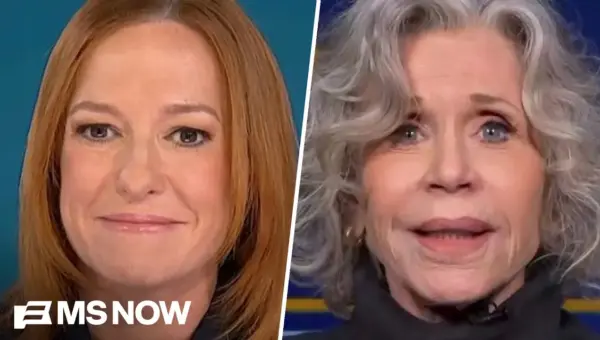
Jane Fonda Warns of ‘Existential Crisis’ Amid Protests
Jane Fonda has issued a stern warning about widespread attacks on the First Amendment, urging Americans to defend their freedoms. The veteran activist highlighted the growing number of large-scale protests as a sign of public concern and a crucial opportunity to address both democratic erosion and the climate crisis.
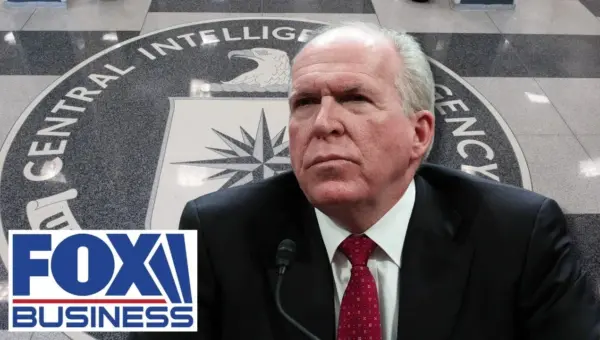
DOJ Probe into Brennan Intensifies Amidst ‘Conspiracy’ Claims
The DOJ's investigation into former CIA Director John Brennan is intensifying, focusing on allegations of lying during congressional testimony. House Judiciary Chair Jim Jordan highlighted concerns about potential censorship of political speech amidst these probes.
FCC Router Ban: Security or Security Theater?
The FCC has banned new foreign-made routers, citing national security concerns. However, critics question the policy's logic, as existing routers remain unaffected and specific risks are undisclosed. This move sparks debate over its true effectiveness in enhancing cybersecurity.