Death Penalty Case Hinges on Fair Trial, Public Access
A death penalty case in Utah faces key legal battles over potential prosecutorial conflicts of interest and the public's right to see graphic evidence. The judge is carefully considering whether to allow cameras in the courtroom, balancing fair trial rights with transparency.

Death Penalty Case Hinges on Fair Trial, Public Access
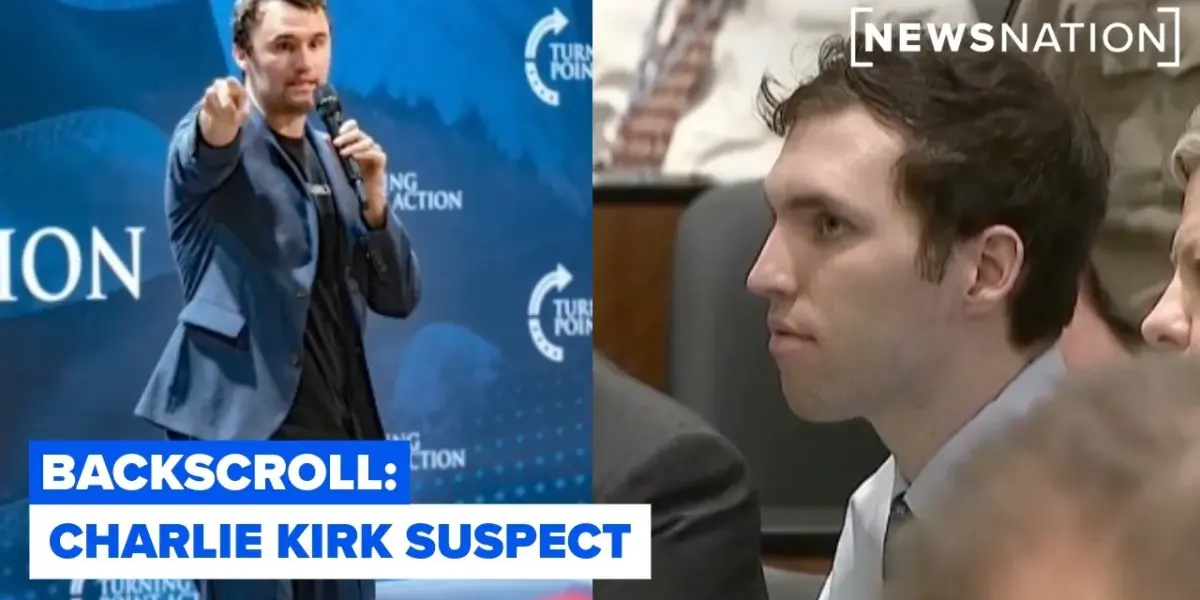
The legal battle surrounding the death penalty case of Tyler Robinson, accused of killing conservative activist Charlie Kirk, is heating up. Defense attorneys are pushing hard to ensure a fair trial for their client. This includes trying to disqualify the prosecution team due to potential conflicts of interest and arguing against graphic evidence being shown publicly. The case also brings up a major question: should cameras be allowed in the courtroom?
Conflict of Interest Claims
One key argument from Robinson’s defense team is that the prosecution might have a conflict of interest. They point out that a deputy county attorney’s daughter was present at the event where Kirk was killed. This connection, they argue, could unfairly influence the prosecution’s approach to the case.
Criminal defense attorney Clayton Sims explained that in death penalty cases, known as capital litigation, it’s crucial to avoid anything that could be seen as “ineffective assistance of counsel.” This means defense lawyers will challenge almost every aspect of the case. Sims believes the judge should recognize this conflict, as the defense might call the deputy’s daughter as a witness. If she testifies, her colleagues in the prosecution team would have to question her, creating an awkward situation.
However, Matt Murphy, a former homicide prosecutor, disagrees. He thinks the defense will file many such motions. Murphy noted that the area is a small town, making it likely for people to know each other. He also argued that if the local prosecution team were removed, the case might go to the state attorney general’s office. This, he believes, could be worse for the defense, as it offers a larger pool of experienced prosecutors.
Battling Graphic Evidence and Cameras in Court
The defense also wants to block graphic videos of Kirk’s killing from being shown. They worry these images could unfairly influence potential jurors. Prosecutors, however, want to use the videos to show the murder was “particularly egregious,” a standard needed to seek the death penalty.
The debate over allowing cameras in the courtroom is also significant. Utah has an “open court” policy, generally favoring public access. Many believe that televising the trial could help counter the many conspiracy theories surrounding the case. “The disinfectant of sunlight” could allow people to see the evidence for themselves, according to one commentator.
Legal experts like trial attorney Mark Geragos suggest that while cameras can sometimes affect a defendant’s right to a fair jury, in high-profile cases with many rumors, public access is important. He noted that keeping cameras out can sometimes lead to more gossip and misinformation. Geragos predicted the judge would likely allow cameras, balancing the First Amendment right to public access with the Sixth Amendment right to a fair trial.
Forensic Evidence Under Scrutiny
The case also faces questions about forensic evidence. The defense revealed that federal analysts could not match a bullet fragment from Kirk’s autopsy to the rifle found at the scene. This has led some to question if the prosecution has the right suspect.
Forensics expert Joseph Scott Morgan explained that this doesn’t necessarily clear the defendant. The bullet fragment might have been too small or too damaged to make a clear match. He stated that this kind of inconclusive result with copper jackets from bullets happens frequently. While it’s problematic for the prosecution, it doesn’t automatically sink the case. He believes prosecutors have other evidence, like DNA on the trigger and cartridges, and witness testimony about the wound track, which could be strong.
Historical Context and Future Scenarios
In death penalty cases, defense attorneys often use a two-pronged strategy: fighting the guilt phase or focusing on mitigation during the penalty phase. Historically, defenses have found ways to achieve lighter sentences, even in daunting cases. The Parkland shooting case is mentioned as an example where a jury did not automatically impose the death penalty after a conviction.
The judge has postponed a decision on the prosecution team’s disqualification and the camera issue until February 3rd. This careful approach is due to the intense appellate scrutiny death penalty cases face. The judge’s methodical tone during the hearings suggests he is taking these decisions very seriously.
Global Impact
This case highlights the tension between the public’s right to know and an individual’s right to a fair trial. The intense media coverage and the spread of conspiracy theories show how modern technology can complicate legal proceedings. The decision on cameras and evidence transparency will set a precedent for how similar high-profile cases are handled in the future, balancing public interest with constitutional rights.
Source: Charlie kirk suspect: Bullet inconclusive, death penalty & more | Backscroll (YouTube)

Related Articles

Israel’s Laws Spark Outrage, Risk Global Standing
A new Israeli law allowing the death penalty for Palestinians has ignited global outrage, fueling accusations of discrimination and apartheid. Reports of widespread abuse in Israeli prisons and settler violence further intensify international concern. This growing criticism signals a potential shift in global alliances and domestic political debates.


Former Israeli Leader Blasts War, Predicts Trump Exit From Iran
Avraham Burg, a former Israeli leader, has sharply criticized the current conflict involving Iran, predicting President Trump's imminent withdrawal. Burg believes wars cannot solve complex regional issues and that diplomatic solutions are essential. He also condemned Israel's new law permitting the death penalty for Palestinians.

Bundy Confirmed Killer of Laura and Amy After 50 Years
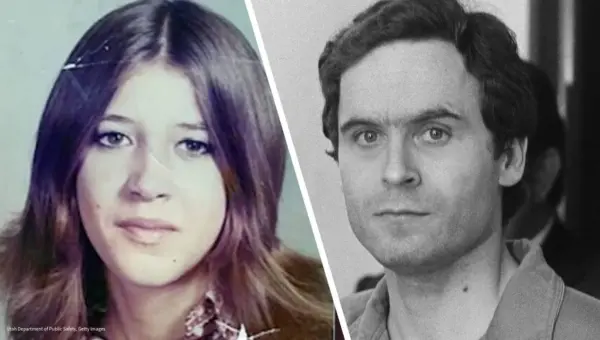
Decades after the murders of Laura and Amy in 1974, authorities have confirmed Ted Bundy as their killer. New DNA evidence, analyzed with advanced forensic technology, finally linked Bundy to the crime, closing a case that haunted the victims' family for nearly 50 years.