Analyst: Trump’s ‘Grand Conspiracy’ Claims Lack Legal Basis
Legal analysts are questioning the validity of investigations into Donald Trump, citing jurisdictional issues and statutes of limitations. The argument is made that political motivations, rather than the law, may be driving these cases, with some accusing the current administration of aiding Trump's "revenge tour."

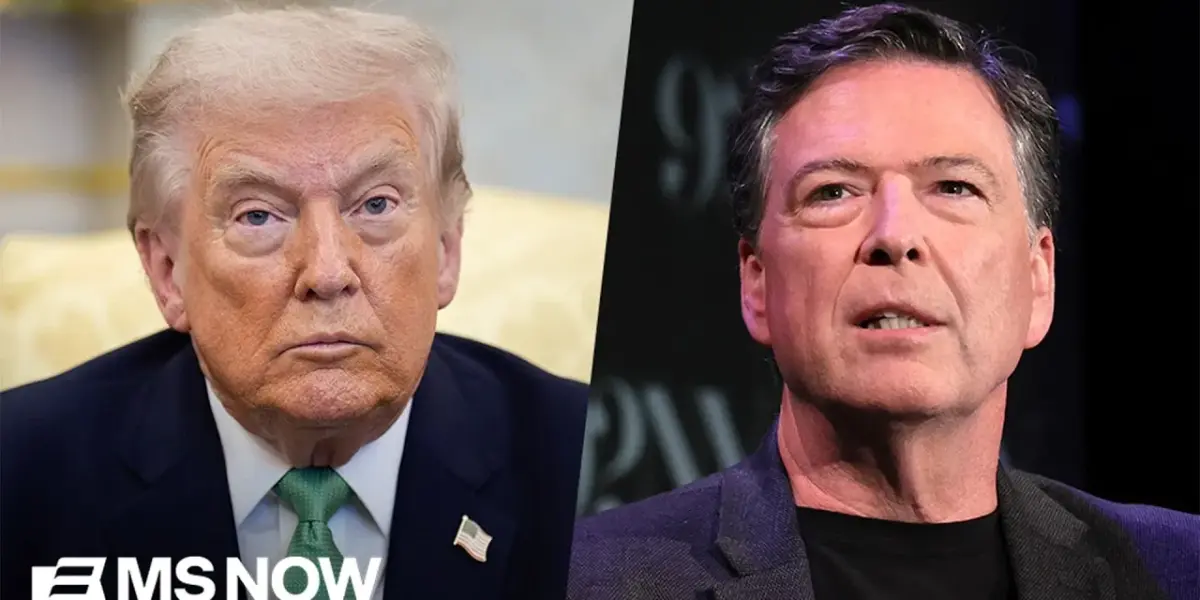
New Legal Challenges Emerge in Trump Investigations
Legal analysts are raising significant questions about the viability of ongoing investigations and prosecutions involving former President Donald Trump. A recent assessment suggests that efforts to pursue cases against Trump’s political opponents are facing substantial hurdles, potentially shifting jurisdictions and legal strategies.
Jurisdictional and Statute of Limitations Problems Cited
One key challenge highlighted involves the jurisdiction of the Southern District of Florida. If the alleged “grand conspiracy” centered on an investigation into Donald Trump during the 2016 election is true, legal experts argue that the events primarily occurred in Washington, D.C., not Florida. This raises a fundamental jurisdictional problem for prosecutors.
Adding to these difficulties are potential statute of limitations issues. Many of the alleged crimes being investigated would have occurred nearly a decade ago. Since most federal statutes of limitations are five years, these cases could be time-barred, making prosecution extremely difficult.
“It seems like they’re struggling in their old jurisdiction. It seems like they’re going to struggle in this jurisdiction too,” one analyst observed, suggesting a pattern of legal challenges across different venues.
‘Grand Conspiracy’ Theory Questioned
The concept of a “grand conspiracy” itself is being scrutinized. Analysts point out that in 2016, few people, including Donald Trump himself, believed he would win the presidency. The idea that a major conspiracy was formed to take down a candidate who was not widely expected to succeed is seen as lacking a strong foundation.
The focus and energy at the time, according to some observers, were directed elsewhere, such as the much-discussed Axios Hollywood tape. The question arises: why pursue such complex legal actions now, and what is truly driving them?
Politics Over Law Cited as Motivation
A central argument emerging from the analysis is that political motivations may be outweighing legal merits in these cases. The ongoing investigations and legal actions are seen by some as driven by the current political climate, including factors like the Epstein files and administration actions in Iran, rather than purely by the law.
This perspective suggests that the legal efforts might be an attempt to manage or deflect from current political pressures. “The politics is driving this more than the law,” is a recurring sentiment among critics of the current legal strategies.
White House and DOJ Implicated in ‘Revenge Tour’
A more pointed accusation suggests that the “grand conspiracy” is not related to Trump’s past investigations but rather involves the current White House, Justice Department, and FBI. These entities are described as acting as “servants in Donald Trump’s effort to go on a revenge and retribution tour.”
This view connects the current legal actions to Trump’s stated intentions for retribution should he regain power, implying that the justice system is being used to serve political ends rather than pursue impartial justice.
Russiagate Investigation Re-examined
The analysis also revisits the Russiagate investigation from Trump’s first term. It notes that the FBI’s own Inspector General, Michael Horowitz, conducted a thorough investigation in 2019. His report concluded that the FBI’s investigation was not motivated by political bias and proceeded largely in a straightforward manner, despite some flaws.
The report identified only one significant issue: the inappropriate use of the Steele dossier to obtain a FISA warrant against Carter Page. It was determined that the dossier played a limited role in the overall investigation, and the FBI’s actions were not driven by political animus.
Intersection with Russia Warranted Examination
Despite the lack of evidence for a criminal conspiracy, the analysis emphasizes that there were legitimate reasons for federal investigators to be concerned about the intersection of Trump’s campaign and Russia. Events such as the hacking of Democratic computers, meetings between Trump campaign officials and a Russian lawyer, and Russian disinformation campaigns warranted examination.
These intersections, while not proving a criminal conspiracy, represented significant concerns that federal investigators were obligated to look into. They were, in essence, “just doing their job” to understand potential foreign influence during a critical election period.
Future Outlook Uncertain
With significant legal and political challenges ahead, the path forward for these investigations remains complex. The focus will likely be on how these jurisdictional and time-bar issues are addressed, and whether political considerations continue to influence legal proceedings. The outcome of these cases could have far-reaching implications for the justice system and the political landscape.
Source: True 'grand conspiracy' stems from White House: MS NOW analyst slams Trump's retribution campaign (YouTube)

Related Articles
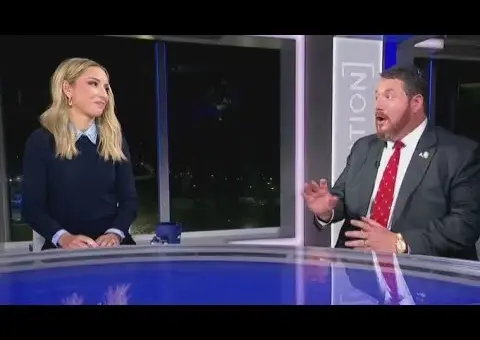
House Republicans Reject Senate Deal, Sparking Government Funding Clash
House Republicans have rejected a Senate bill to end the government shutdown, citing insufficient border security measures. Congressman Randy Fine called the Senate deal a "disgrace" and highlighted the ongoing fight for full government funding. President Trump's executive order to pay TSA agents offers temporary relief, but the core disagreement over border security continues to paralyze Washington.

Voter ID: Common Sense or Suppression?
A growing debate surrounds voter ID laws, with proponents calling them a common-sense measure against fraud and opponents fearing voter suppression. Many countries and U.S. states already require ID to vote.
Trump’s Name Everywhere: A ‘Stain’ on GOP Legacy?
Former President Donald Trump's efforts to brand national symbols, including a proposed signature on dollar bills, spark debate. Critics view this as an authoritarian attempt to embed his legacy, potentially staining the Republican Party's history and contrasting with democratic ideals of public ownership.