Amidst Legal Setbacks, Trump Unleashes Sweeping Tariffs and Nationalistic Directives
Following a Supreme Court setback on tariffs, former President Donald Trump reportedly reacted with a 'meltdown,' announcing new global tariffs and a controversial 'Pledge America' media directive. These actions unfolded amidst concerning economic data, environmental policy rollbacks, and a cascade of ethical allegations, collectively signaling a tumultuous period of governance marked by defiance and broad policy shifts.

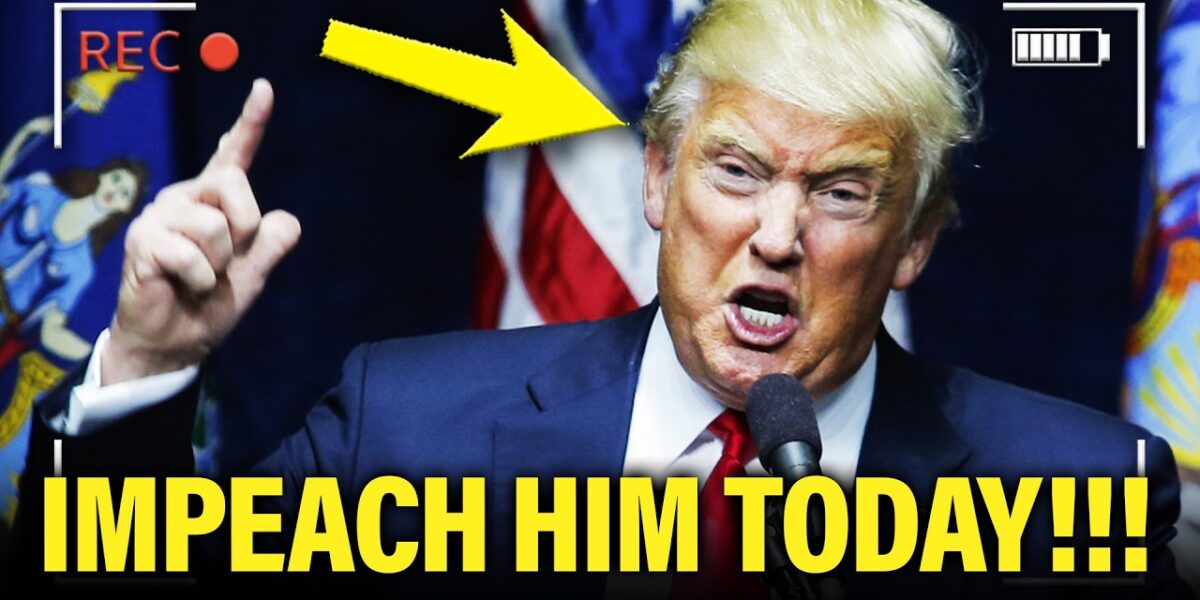
Amidst Legal Setbacks, Trump Unleashes Sweeping Tariffs and Nationalistic Directives
Following a significant defeat at the Supreme Court regarding his previous tariff impositions, former President Donald Trump reportedly experienced a profound ‘meltdown,’ signaling his intent to retaliate with a new wave of global tariffs and a controversial directive aimed at nationalistic programming across U.S. television networks. The series of announcements and social media posts, described by some commentators as a ‘psychotic meltdown,’ unfolded against a backdrop of concerning economic indicators and a fresh wave of ethical controversies surrounding his administration.
A Flurry of Executive Actions and Social Media Firestorms
The immediate aftermath of the Supreme Court’s decision saw former President Trump take to social media with a series of characteristic and often cryptic messages. Posts included slogans such as ‘Keep calm and tariff on,’ and an image depicting him in a manner reminiscent of ‘the penguin holding an umbrella,’ accompanied by the declaration, ‘President Trump will always put America first, American prosperity first.’ Another post, described as almost unreadable, alluded to the nation being ‘the hottest’ and expressed his affinity for tariffs while lamenting perceived unfairness.
However, the social media rhetoric quickly translated into concrete policy announcements. In a move widely interpreted as direct defiance of the Supreme Court’s ruling, Trump declared his intention to impose new 10% tariffs on ‘every single country in the world.’ This sweeping measure, he stated, would be enacted by invoking Section 122 of the Trade Act of 1974. This particular section, as expert Brian Riley highlighted, is typically reserved for instances of a ‘fundamental international payments problem’ – a condition that the United States currently does not face. Critics quickly labeled this invocation as unlawful, suggesting it represents yet another attempt by the former president to bypass established legal frameworks for trade policy. Furthermore, even if deemed lawful, such tariffs under Section 122 are statutorily limited to a duration of 150 days.
In parallel, Trump also announced the revocation of the de minimis tariff exemption. This exemption previously allowed products valued at $800 or less to enter the U.S. without being subject to tariffs, a mechanism often utilized by consumers for online purchases from international vendors. The removal of this exemption signals a broad expansion of the tariff regime, potentially impacting a vast array of imported goods and directly affecting consumer prices.
The implications of these tariff policies are far-reaching. Tariffs, essentially taxes on imported goods, are designed to make foreign products more expensive, theoretically encouraging domestic production and consumption. However, economists widely contend that tariffs often result in higher costs for domestic consumers, who bear the burden of increased prices. They can also lead to retaliatory tariffs from other countries, disrupting global supply chains, reducing export competitiveness for American businesses, and straining international trade relations. The previous administration’s use of tariffs, particularly against China, led to significant trade disputes and economic uncertainty, with mixed results on domestic manufacturing and considerable negative impacts on various American industries, including agriculture. The invocation of Section 122, particularly without the clear economic justification it requires, raises serious questions about the legal parameters of executive power in trade policy and could set a contentious precedent for future administrations.
The ‘Pledge America’ Campaign: A Call for State-Sponsored Patriotism
Beyond economic policy, the former president also directed his attention to the nation’s media landscape. He instructed his FCC chair, Brendan Carr, to launch a ‘Pledge America’ campaign. This initiative, framed as a celebration of the country’s upcoming 250th birthday, calls upon broadcasters to air ‘patriotic pro-America programming.’ The campaign’s objectives include promoting civic education, fostering national pride, and highlighting shared American history.
Specific recommendations for broadcasters outlined by the FCC chair included starting each broadcast with the Star-Spangled Banner or the Pledge of Allegiance, running segments that promote civic education, showcasing inspiring local stories in American history, airing music by celebrated American composers, and providing daily ‘Today in America History’ segments. While framed as a celebration of national heritage, the directive immediately sparked concerns among media watchdogs and civil liberties advocates. The idea of a government entity dictating programming content, particularly with a nationalistic bent, often raises alarms about potential infringements on journalistic independence and freedom of speech. Critics argue that such campaigns, especially when mandated by political figures, can blur the lines between civic education and state-sponsored propaganda, undermining the crucial role of an independent press in a democratic society.
The broader context of this directive is particularly poignant when juxtaposed with the socio-economic challenges faced by many Americans. As the transcript highlighted, many citizens are struggling ‘paycheck to paycheck,’ facing healthcare insecurities, limited educational opportunities, and unaffordable housing. The call for nationalistic programming, while these fundamental issues persist, led to questions about the administration’s priorities and its perceived disconnect from the everyday struggles of its constituents. Historically, government attempts to influence media content have been met with skepticism, rooted in the understanding that an unhindered and diverse media landscape is essential for a healthy democracy, allowing for a multitude of perspectives and critical discourse rather than a unified, state-sanctioned narrative.
Economic Headwinds and Contentious Fiscal Policies
The announcements regarding tariffs and media directives were made against a backdrop of less-than-favorable economic news. Recent data indicated a concerning rise in inflation metrics, with the core Personal Consumption Expenditures (PCE) and PCE inflation data, key indicators of consumer price changes, reportedly climbing to approximately 3% month-over-month and potentially heading towards 4%. The transcript suggested these increases were directly linked to the ‘effect of Donald Trump’s tariffs against the world’ and his ‘disastrous economic policies.’
Further economic disappointment came with significantly lower-than-expected GDP growth. While Trump regime officials had previously projected robust growth, with some predicting 3.5% to 5% and even an outlandish 15%, the actual figure reportedly came in at a modest 1.4-1.5%. Attempts to attribute this slowdown solely to a government shutdown were dismissed by commentators, who instead pointed to the broader impact of the administration’s economic strategies and a global economic landscape where other nations were experiencing more significant growth than the United States.
The former president’s response to these economic challenges, characterized by promises of future prosperity, drew comparisons to a ‘Ponzi schemer.’ His repeated assurances of ‘next year is going to be our year,’ echoing similar statements from previous years, led to skepticism about the tangible basis of his economic projections. This pattern of deferring accountability and blaming external factors has been a recurring theme in his public pronouncements.
Adding to the economic controversy were comments from Treasury Secretary Scott Bessant regarding tariff refunds. In what was described as an ‘arrogant and smug’ manner, Bessant reportedly stated, ‘I don’t think the people will see their tariff refunds… We’re going to go to litigation and we’re going to fight you all. Why would we refund the money we unlawfully stole from all of you?’ This statement, if accurately conveyed, suggests a contentious legal battle over potentially billions of dollars in tariffs already collected, further eroding public trust and creating immense uncertainty for businesses.
Indeed, the business community immediately voiced concerns. Kevin O’Leary, a prominent investor, described the situation as businesses being ‘squeezed’ from all sides. He highlighted the predicament of companies that had paid millions in tariffs over the past year, now facing demands for refunds from customers, lenders, and shareholders. The complexity of navigating the refund process, and the lack of clear guidance from the Treasury, led O’Leary to declare his intent to establish a resource, ‘wondrust.com,’ to hire ‘hundreds if not thousands of accountants and lawyers’ to help businesses with compliance. This anecdote underscores the profound disruption and financial strain that such policy shifts and legal ambiguities can inflict upon the private sector.
Environmental Deregulation and Public Health Concerns
The administration’s policies extended to critical environmental and public health domains, drawing significant criticism. A notable development was the reported endorsement of glyphosate, the active ingredient in the widely used pesticide Roundup. Glyphosate has been linked to severe health issues, including non-Hodgkin’s lymphoma, and has been the subject of numerous lawsuits and public health debates. The administration’s move to not only promote its use but also potentially ‘build in immunity’ for companies like Bayer, the manufacturer, raised alarms among environmental groups and public health advocates. This reversal of previous stated positions by some figures, such as RFK Jr. who had ‘pretended to be against’ glyphosate, highlighted the influence of lobbying efforts and the prioritization of industry interests over public health concerns.
Further environmental rollbacks were reported concerning the Environmental Protection Agency (EPA). The EPA, under the administration’s direction, was said to be allowing coal-burning power plants to release increased amounts of heavy metals, such as mercury, into the air. Mercury is a potent neurotoxin known to cause brain damage and developmental issues, particularly in children. This policy shift represents a significant departure from previous efforts to reduce air pollution and protect public health, signaling a broader strategy of deregulating industries at the expense of environmental safeguards. The transcript even noted a cynical ‘mascot named Kohi’ (referring to coal) within the administration that was satirically described as ‘promoting getting people cancer,’ underscoring the perceived indifference to health impacts.
These actions fit into a pattern of environmental deregulation that characterized the administration, often justified by claims of boosting economic growth and reducing burdens on businesses. However, critics consistently argued that such policies carry substantial long-term costs in terms of public health, environmental degradation, and climate change, potentially shifting the burden from corporations to the wider populace and future generations.
Allegations of Cronyism and Ethical Lapses
Compounding the policy controversies were a series of allegations concerning cronyism, conflicts of interest, and ethical misconduct within the administration. One striking example revolved around the Gordie Howe International Bridge project, a major infrastructure initiative connecting Detroit, Michigan, with Windsor, Ontario, largely funded by Canada and Michigan, and poised to create numerous jobs.
Initially, the administration had reportedly expressed strong opposition to this new bridge, advocating instead for the privately-owned Ambassador Bridge, which was the sole existing crossing between Detroit and Windsor. This opposition, as the transcript highlighted, came just days after the owner of the Ambassador Bridge, a private company, had donated a substantial one million dollars to a Super PAC dedicated to Donald Trump. The swift shift in stance, seemingly influenced by a private financial contribution, raised serious questions about the integrity of public decision-making and the potential for private interests to unduly sway government policy at the expense of broader public benefit and job creation.
Beyond this, serious allegations of personal misconduct surfaced against high-ranking officials. Labor Secretary Lorie Chavez Darr’s husband was reportedly under criminal investigation for sexual assault allegations within the Department of Labor office, with police searching her office in connection with the probe. Such an investigation into a cabinet member’s family, involving allegations of sexual assault within a government workplace, casts a severe shadow over the administration’s commitment to ethical conduct and workplace safety.
Further allegations involved Governor Kristi Noem and political strategist Corey Lewandowski, who were rumored to be engaged in an affair. The concern escalated when it was reported they were ‘gallivanting around and flying around in this Boeing private jet on the taxpayer dime,’ complete with amenities like a queen-sized bed and flat-screen TVs, which taxpayers were being asked to fund. This alleged misuse of public funds for personal endeavors, particularly amidst claims of terrorizing and torturing ‘we the people’ through harsh policies, drew sharp condemnation for its perceived hypocrisy and disregard for public resources.
These incidents collectively painted a picture of an administration where ethical lines were frequently blurred, and personal or financial interests appeared to supersede public duty. Such allegations erode public trust in government institutions, foster cynicism about political processes, and underscore the critical importance of robust oversight mechanisms and accountability for those in positions of power.
Conclusion: A Tumultuous Period of Governance
The period following the Supreme Court’s tariff ruling marked a particularly tumultuous chapter, characterized by an aggressive response from former President Trump on multiple fronts. From the defiant imposition of new, potentially unlawful tariffs and the revocation of key trade exemptions, to the controversial directive for nationalistic media programming, and the backdrop of concerning economic data and a litany of ethical allegations, the events underscore a period of profound uncertainty and contention.
The ‘meltdown’ described by commentators was not merely an emotional outburst but translated into a series of policy decisions with significant economic, social, and legal ramifications. The challenges to the rule of law, the potential for economic destabilization, the implications for media independence, and the persistent ethical questions surrounding high-ranking officials collectively highlight a governance approach that frequently prioritized immediate political objectives and personal loyalties over established norms, legal precedents, and public trust. As the nation grappled with these multifaceted issues, the call for transparency, accountability, and adherence to democratic principles grew ever louder.
Source: Trump has PSYCHOTIC MELTDOWN after WORST DAY YET!! (YouTube)

Related Articles
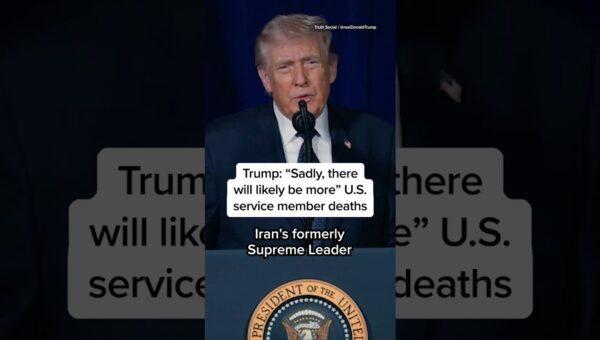
Trump Warns of More US Deaths in Escalating Conflict
Former President Donald Trump issued a somber warning on Truth Social, stating that further U.S. service member deaths are "likely" as geopolitical tensions escalate. He condemned Iran's former supreme leader, Ayatollah Ali Khamenei, and vowed retribution for fallen soldiers.

Trump Threatens “Unseen” Force on Iran After Leader’s Death
Following the assassination of Supreme Leader Ayatollah Ali Khamenei, U.S. President Donald Trump has vowed to unleash unprecedented force on Iran. While outlining ambitious goals including regime change, experts express skepticism about the effectiveness of airstrikes and the potential for popular uprising against a resilient Iranian government.
Senator Coons Questions Trump’s Iran Strategy After Troop Deaths
Senator Chris Coons has sharply criticized President Trump's strategy in Iran following the deaths of three U.S. service members. Coons questioned the intelligence regarding Iran's nuclear proximity and the lack of clear strategy and congressional debate for the "war of choice."