Airlines Pocket Millions From Strict Baggage Rules
Airlines are earning millions daily from strict baggage rules, charging extra for larger bags or fining passengers who don't comply. Staff may receive bonuses for catching oversized items, leading to concerns about inconsistent enforcement and high fees for travelers. However, new European Parliament proposals could mandate larger free cabin baggage sizes, potentially altering the industry's revenue model.

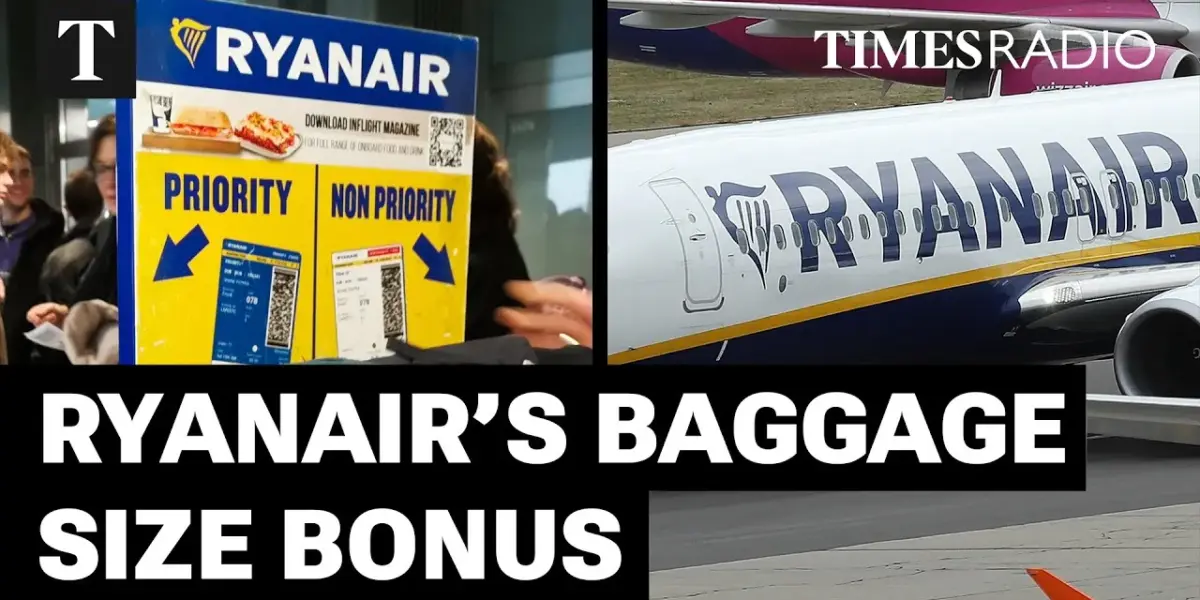
Airlines Reap Huge Profits from Baggage Fees
Airlines are making millions of pounds every day from charging passengers extra for baggage, either by selling larger bags or by fining travelers who break the rules. This practice has become a significant source of income for the aviation industry, with some airlines earning substantial amounts from these “ancillary” charges, which are fees beyond the initial ticket price.
Why the Strict Scrutiny on Cabin Bags?
If you’ve ever been stopped for a cabin bag that was just a little too big, you might have wondered why airline staff are so strict. For airlines like Ryanair, there’s a financial incentive: staff can receive a bonus for every oversized bag they catch. Ryanair’s boss, Michael O’Leary, has stated that this policy is working to manage cabin space and prevent delays.
Understanding Airline Baggage Policies
Ryanair, for example, allows passengers one free small bag, measuring 40x30x20 cm, which must fit under the seat in front. Any bag larger than this, or any extra bags, require an additional payment. The airline argues that this system helps manage overhead compartment space and reduces boarding delays. When many passengers try to fit large suitcases into the overhead bins, it can cause significant hold-ups.
“They basically have that as an optional extra. You can pay more to get a bigger suitcase, a heavier suitcase, or to put it in the hold.”
The Debate Over Enforcement
While many travelers understand the need for rules, some argue that enforcement can be inconsistent. Issues like a sticking zipper or a wheel protruding from a bag can sometimes lead to fines. The cost of these fines can be substantial, with one passenger reporting a £75 charge. Consumer groups point out that sometimes the rules themselves are unclear, and enforcement can seem arbitrary.
Financial Incentives for Staff
The bonus system for airline staff catching oversized bags has been highlighted. Previously, bonuses for Ryanair staff were capped, but now they receive €2 for each bag they flag. With potentially hundreds of thousands of fines issued annually, this can amount to significant extra earnings for employees. Some believe this bonus system could lead to staff unfairly targeting certain passengers.
Consumer Group Concerns
Consumer advocacy groups have raised concerns about these strict policies. One consumer group, Which?, reported on a family of four who were charged £400 at the gate for failing to comply with baggage rules. While travelers are expected to check the rules, the complexity and frequent changes can make it difficult for everyone to stay informed. This lack of clarity can lead to frustration and unexpected costs.
Potential for Regulatory Change
However, there is a push for change. The European Parliament has recently voted to propose larger standard cabin baggage sizes across EU airports. If this law is passed, airlines like Ryanair might have to allow larger wheeled suitcases for free. This could significantly impact their current business model, which relies heavily on baggage fees.
“The European Parliament have actually just voted to try and bring in a larger baggage size across airports in the EU. So, that law could eventually pass and would mean places like Ryan Air would have to let us for free have a wheeled suitcase and that would be, you know, that would blow the whole thing apart.”
Airlines’ Counterarguments
Airlines often argue that increasing free baggage size would lead to capacity issues. They claim that if a large majority of passengers brought the maximum allowed bag, planes would be full, requiring more items to be checked into the hold, which would cause further delays. The core question remains: what should be included in the basic airline ticket price?
Balancing Costs and Convenience
Some suggest that if airlines offered a larger standard bag for free, the base ticket price would increase. EasyJet estimates this could raise prices by 25%. While many travelers might prefer this, others, especially those seeking the cheapest possible flights, would rather pay less for the ticket and manage with minimal luggage. This creates a divide between budget-conscious travelers and those prioritizing convenience.
The Future of Baggage Fees
As airlines continue to profit from baggage rules, the debate over fairness and clarity is likely to persist. With potential new regulations on the horizon from the European Parliament, the landscape of airline baggage fees could see significant changes. Passengers will be watching closely to see if a more standardized and passenger-friendly approach to cabin baggage will prevail.
Source: Airlines Earn Millions From “Money-Spinner” Baggage Rules (YouTube)

Related Articles


Global Travel Snarls Force Midday Flights For Savings
Millions are traveling this Easter weekend despite rising gas prices and flight costs. Global tensions in the Middle East are rerouting flights and increasing fuel expenses. Travel expert Clint Henderson advises flying mid-day on Tuesdays, Wednesdays, or Saturdays for better deals and fewer crowds.

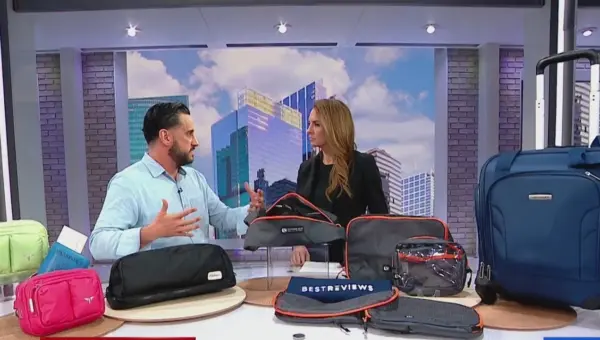
Travel Gear Eases Airport Woes Amid Spring Break Rush
As airports face intense pressure during peak travel times, travelers are seeking ways to speed up their experience. BestReviews highlighted practical travel essentials, including Samsonite carry-on luggage with built-in chargers and Travelon crossbody bags, designed to ease airport stress and maximize packing efficiency.
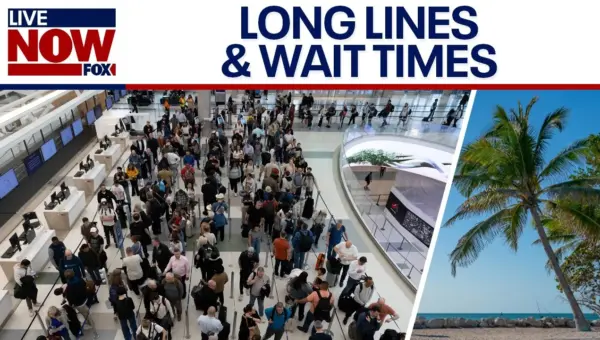
Spring Break Travel Chaos: DHS Shutdown Sparks Airport Delays
Spring break travel is facing significant disruptions due to the ongoing DHS shutdown, leading to long airport security lines and delays. Experts advise travelers to arrive three hours early, check airport websites for wait times, and consider services like Clear to bypass queues.