FCC Chair’s “Pledge America” Campaign Sparks Controversy
FCC Chair Brendan Carr's "Pledge America" campaign encourages broadcasters to air more patriotic content, including the national anthem and Pledge of Allegiance. The initiative has sparked controversy, with critics accusing Carr of overreach and potential First Amendment violations.

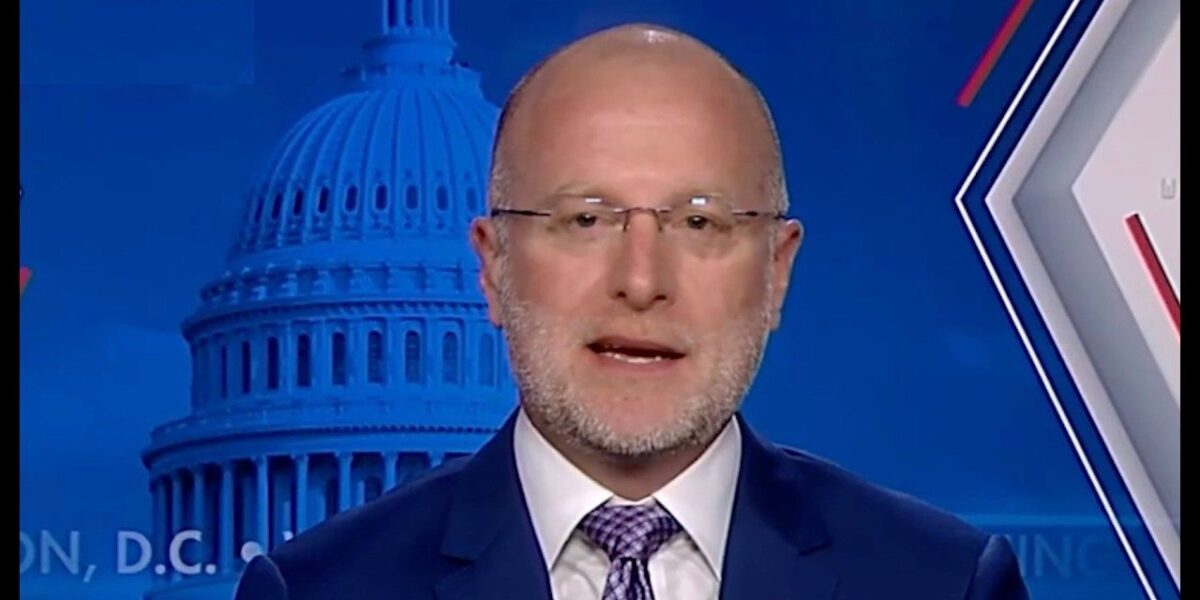
FCC Chair’s “Pledge America” Campaign Sparks Controversy
Federal Communications Commission (FCC) Chair Brendan Carr has launched a new initiative, dubbed “Pledge America,” aimed at encouraging broadcasters to air more patriotic content as the nation approaches its 250th anniversary. The campaign, which advocates for practices like beginning each day with the national anthem or the Pledge of Allegiance, has drawn both praise and significant criticism, with opponents arguing it oversteps the FCC’s role and potentially infringes on First Amendment principles.
Carr’s Vision for Patriotic Broadcasting
FCC Chair Brendan Carr announced the “Pledge America” campaign, framing it as a patriotic revival and a “golden age” for the country. He proposed that broadcasters could honor America’s upcoming 250th birthday by increasing pro-American content. Suggestions included airing public service announcements (PSAs) promoting civic education and local history, featuring segments on historically significant sites, and providing daily “Today in American History” announcements.
“We’re launching a Pledge America campaign at the FCC which allows broadcasters to air pro-American patriotic programming to celebrate the country’s 250th birth. The reaction has been interesting. Many broadcasters have embraced it. Uh some on the left push back. Apparently they have a problem with patriotic pro-American programming, but it’s a good opportunity for broadcasters to let their viewers know exactly where they stand.”
Brendan Carr, FCC Chair
Carr’s campaign suggests that broadcasters can use segments to highlight local sites significant to American and regional history, such as National Park Service sites. He also proposed daily announcements detailing significant historical events.
Criticism and Concerns Over First Amendment Rights
Critics, however, view Carr’s initiative with deep suspicion, arguing that it represents a worrying trend of government overreach into media content. The campaign has been interpreted by some as an attempt to pressure broadcasters into adopting a specific, pro-government narrative, particularly in the context of the Trump administration.
The criticism often centers on the FCC’s historical role and the potential for such campaigns to stifle diverse viewpoints. Opponents point to Carr’s past actions, including pressure campaigns against late-night hosts and news programs, as evidence of a broader agenda to control media narratives.
One significant area of contention is Carr’s involvement in enforcing the “equal time” rule for political candidates, particularly his recent focus on investigating shows like “The View.” This investigation stems from a complaint that the show did not provide comparable airtime to political opponents, a rule that the FCC had largely de-emphasized enforcing until recently.
“Long ago, Congress passed a law and they didn’t want media gatekeepers to be deciding the outcomes of elections by having exclusively, you know, one political candidate or one political party on all the time. So, they said you have to give equal time to both. Now, over the years, the FCC effectively walked away from enforcing that, and I don’t think that was a good thing.”
Brendan Carr, FCC Chair
Carr’s justification for these actions is to restore trust in media, which he claims has been eroded by “fake news.” However, critics argue that this approach is a pretext for censoring dissenting voices and promoting a partisan agenda, effectively undermining the First Amendment’s protection of free speech and the press.
Broader Implications for Media and Democracy
The “Pledge America” campaign and related FCC actions raise profound questions about the future of media regulation and the health of democratic discourse in the United States. Concerns have been voiced that the government, under the guise of promoting patriotism, could exert undue influence over broadcast content, potentially leading to a less diverse and more politically homogenous media landscape.
The emphasis on “patriotic programming” and the scrutiny of news and opinion shows highlight a broader debate about what constitutes legitimate news and how broadcast licenses should be managed. Critics argue that the FCC, under Carr, is moving away from its role as a neutral regulator towards becoming an arbiter of acceptable speech, particularly when it involves political commentary.
Furthermore, the context of the campaign, occurring during a period of heightened political polarization and debates over immigration and national identity, adds another layer of complexity. Opponents suggest that Carr’s push for patriotic content is less about genuine celebration and more about enforcing a specific, nationalistic ideology.
Looking Ahead
The “Pledge America” campaign is likely to remain a focal point of debate in the coming months. As the nation’s 250th anniversary approaches, the FCC’s actions and broadcasters’ responses will be closely watched. The legal and political ramifications of Carr’s initiatives, particularly concerning free speech and media independence, will continue to be analyzed. The outcomes of these discussions could significantly shape the media’s role in public life and the public’s trust in both the media and regulatory bodies.
Source: Trump official HUMILIATES himself ON FOX NEWS | Another Day (YouTube)

Related Articles

Media Mergers Threaten More Than Jobs; They Threaten Democracy
A congressional hearing examined the proposed Paramount SkyDance and Warner Brothers Discovery merger, highlighting fears that media consolidation threatens not just jobs and creative freedom, but American democracy itself. Witnesses warned of concentrated power, political influence over news, and the erosion of independent journalism.

DOJ Weaponized FACE Act Against Pro-Life Advocates, Report Shows
A new report suggests the Biden administration disproportionately used the FACE Act against the pro-life community, raising concerns about selective enforcement. The findings indicate potential conflicts with First Amendment rights and call for policy changes to prevent future abuses.

Pentagon’s Press Ban Crumbles Under First Amendment Challenge
A federal judge has ruled against new Pentagon policies that restricted defense reporters' access, deeming them a violation of the First Amendment. The decision upholds the press's right to gather information, even during wartime, and pushes back against government attempts to control the narrative.