Tiger Woods Seeks Treatment Amid DUI Charges, Attorney Hints at Prescription Drugs
Tiger Woods has announced he is stepping away for treatment following his recent DUI arrest. His attorney suggests prescription drug use may be a factor, similar to his 2017 DUI case. Woods faces charges including refusing a urine test, with legal experts analyzing his defense strategy.

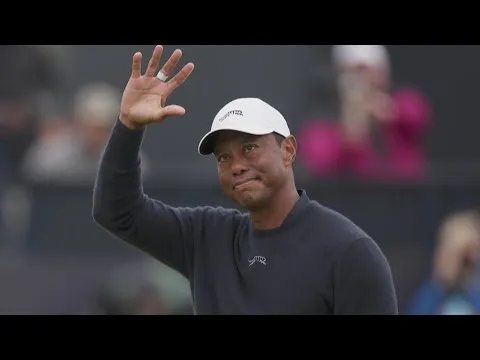
Tiger Woods Steps Away for Treatment, Faces DUI Charges
In a significant development, golf legend Tiger Woods has publicly addressed his recent DUI arrest, announcing he is stepping away from the sport to seek treatment and focus on his health. His statement on X (formerly Twitter) acknowledged the seriousness of his situation and his need for lasting recovery. The PGA Tour has voiced its full support for Woods, emphasizing their concern for his well-being over his athletic achievements.
Legal Battles Resurface with New Arrest
This comes after a series of major turns in Woods’ legal case. Hours before his public statement, Woods pleaded not guilty to charges related to his rollover car crash in Jupiter Island. He has hired Douglas Duncan, a prominent Florida defense attorney who also represented him in a 2017 DUI case. In that earlier incident, Woods was found asleep at the wheel, and toxicology reports revealed multiple drugs in his system, including the highly addictive opioid painkiller hydrocodone.
Duncan helped Woods avoid a DUI conviction in 2017, leading to a plea deal for a reduced charge of reckless driving and entry into a diversion program. Now, history seems to be repeating itself. Police in Martin County reported finding two white pills, identified as hydrocodone, in Woods’ pocket after the recent crash. This information comes from a newly released probable cause affidavit.
Details of the Recent Incident
According to the report, Woods told deputies he was looking down at his phone and adjusting the radio before his Range Rover rolled over. Deputies noted that Woods appeared lethargic, sweaty, unsteady, and had bloodshot eyes with extremely dilated pupils. Despite these observations, Woods denied drinking alcohol or using illegal drugs. He stated he was taking prescription medication that morning, along with ibuprofen.
After failing field sobriety tests, deputies determined Woods was impaired. He agreed to a breathalyzer test, which showed no signs of alcohol. However, Woods reportedly refused a urine test, leading to charges of DUI and refusing to submit to a test. The question of whether he admitted guilt is complex, especially given his statement about seeking treatment.
Legal Strategy and Public Sentiment
Criminal defense attorney Arthur Aidala discussed the case, noting that Woods’ statement about seeking treatment could be interpreted in various ways. He suggested that Woods might have been on prescription drugs, not necessarily illegal ones. Given Woods’ history of numerous injuries and surgeries, it’s understandable that he might be dealing with significant pain and relying on medication. The attorney pointed out that Woods didn’t provide a blood test, so the exact amount of any substance in his system is unknown. He also noted that Woods was not intoxicated from alcohol.
Aidala suggested that Woods’ strong legal team will likely negotiate with prosecutors. They may present the argument that Woods was in considerable pain, took prescribed medication, and that the crash was a result of impairment, not criminal intent. This approach often leads to plea deals involving drug treatment programs, potentially resulting in a misdemeanor charge that could be cleared upon program completion, even for a repeat offender.
The attorney also highlighted that while the crash was serious, the fact that Woods didn’t get hurt, or hurt anyone else, is fortunate. The decision on how to proceed now rests with the District Attorney’s office. Aidala believes Woods is unlikely to go to trial and is fortunate to have the PGA’s public support, as public sentiment can play a role in such cases. He compared it to how the New York Giants supported their player, though he questioned if Woods’ personal statement truly helped his legal standing.
The Role of Prescription Drugs and Public Sympathy
Woods’ statement could be seen as leaning into the truth of his pain and medication use. Some experts believe he might be looking for sympathy, especially given the widespread opioid crisis and public awareness of addiction. The fact that prescription drugs are often seen as less illicit than illegal substances could influence public and legal perceptions. Refusing a urine test, while leading to a charge, might also be seen as an attempt to avoid revealing specific drug levels.
Ultimately, the legal battle will depend on the evidence, including the pills found, Woods’ statements, and the deputies’ observations. Without a urine or blood test, proving impairment solely on observation can be challenging for prosecutors. However, the presence of hydrocodone without a prescription bottle could make it difficult for Woods to claim he was legally fine, especially when combined with his admission of distraction from his phone.
Source: Tiger Woods could have been on prescription drugs, attorney says | Jesse Weber Live (YouTube)

Related Articles

Ballistics Cloud Tyant Trial: Defense Seeks Doubt
Defense lawyers for Tyler Robinson, accused in the assassination of Charlie Kirk, are seeking a delay, arguing ballistics evidence could prove his innocence. An ATF report stated a bullet recovered could not be linked to Robinson's alleged rifle, a claim the prosecution argues is not definitive. Legal experts weigh in on the technical and legal implications.

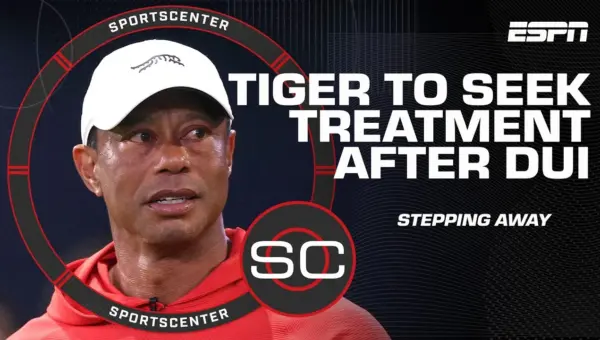
Tiger Woods Seeks Treatment After DUI Arrest
Tiger Woods is entering a treatment program to focus on his health following a DUI arrest. The golf legend admitted to taking pain medication and refused sobriety tests. This decision marks a significant step towards recovery for the 15-time major champion.
Gas Prices Soar as War Fears Grip Markets, Congress Abandons DC
Gas prices are soaring nationally, reaching an average of $4 per gallon, fueled by concerns over the war with Iran. Meanwhile, a federal judge has halted construction on President Trump's White House ballroom, and Congress has left Washington amidst a government shutdown, drawing public criticism.