Tiger Woods’ Legal Woes Resurface, Sparking DUI Case Questions
Tiger Woods faces a difficult DUI case after his recent arrest where he refused a urine test. His legal history, including a 2017 DUI and a history of surgeries and prescription pain medication, adds complexity. Prosecutors face challenges proving impairment without toxicology results, while the defense may point to his injuries.

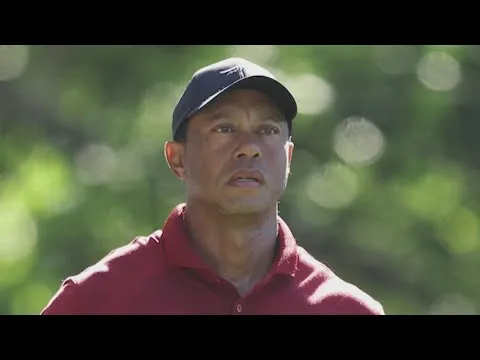
Tiger Woods Faces Legal Scrutiny Again
Golf superstar Tiger Woods is back in the headlines, but this time it’s not for his athletic performance. He was recently arrested for driving under the influence (DUI) in Florida. This incident brings back memories of his first DUI arrest in the same state back in 2017. Woods, who had recently told reporters he was working to get back in shape for the Masters, was found disoriented in his car. This latest legal trouble raises questions about his well-being and his ability to manage his life, both personally and professionally.
The 2017 DUI Case and Diversion Program
In 2017, Tiger Woods was found asleep at the wheel of his car on the side of the road. Dave Ehrenberg, the former state attorney for Palm Beach County, Florida, prosecuted that first case. Ehrenberg explained that Palm Beach County has a diversion program for first-time DUI offenders when no accident or children are involved. The goal of this program is rehabilitation, not just punishment.
Woods qualified for this program. To complete it, he had to attend classes, undergo some substance abuse treatment, perform 50 to 75 hours of community service, and submit to random drug testing. Ehrenberg noted that this program is very tough and has a low rate of people re-offending. He even mentioned that after completing the program, Woods seemed to take responsibility for his actions and went on to win the Masters. However, this latest arrest shows that problems can resurface.
Challenges in the Current DUI Case
The current arrest presents different challenges for prosecutors. Unlike in 2017, Woods refused to give a urine sample to test for drugs. He did test negative for alcohol. Officers at the scene stated he appeared impaired. Without a urine or blood test, proving impairment by drugs becomes much harder.
Ehrenberg explained that if a driver refuses a urine test, prosecutors can use that refusal in court. They can argue that the refusal suggests guilt, as an innocent person might readily agree to a test. However, the defense lawyers could argue that there was no valid reason for the arrest in the first place. If they can prove that, then any evidence gathered after the arrest, like the refusal to test, might be thrown out of court.
The Role of Prescription Drugs and Injuries
Tiger Woods has a long history of surgeries due to golf injuries and a serious car accident in 2021 that nearly led to the amputation of his leg. The transcript highlights that prescription pain pills, often given after surgeries, can be highly addictive. Ehrenberg, who has experience cracking down on fraudulent rehabilitation centers in Florida, is well aware of the issues surrounding prescription drug abuse.
Proving impairment from prescription drugs is difficult. Unlike alcohol, which can be quickly tested, showing the presence and effect of other substances often requires a blood test. In Florida, blood tests are usually only allowed if there’s an accident involving death or serious injury. The defense may argue that Woods’s physical condition, due to past injuries and surgeries, might affect his performance on field sobriety tests, making it hard to distinguish impairment from pain or physical limitations.
Personal Connections and Secret Service Concerns
Beyond the legal aspects, the transcript mentions a personal connection: Tiger Woods is dating Vanessa Trump, who is President Trump’s former daughter-in-law and mother to five of his grandchildren. This connection has led to reports that the Secret Service is concerned about Woods being near the Trump grandchildren if he is driving. This adds another layer of public interest and potential scrutiny to Woods’s personal life and public appearances.
Looking Ahead: Legal and Personal Future
The legal battle ahead for Tiger Woods will likely be complex. Prosecutors will need to build a case based on the observations of officers at the scene and Woods’s performance on roadside sobriety tests, rather than relying on toxicology reports. The defense will focus on challenging the basis of the arrest and explaining any performance issues through his medical history.
This situation is undoubtedly difficult for Woods, a global icon who has overcome significant physical challenges. The outcome of this DUI case will not only affect his driving privileges but could also have broader implications for his career and public image. The public will be watching to see how this legal situation unfolds and what it means for one of sports’ most recognizable figures.
Source: Trial attorney talks Tiger Woods' arrest and refusal to give urinalysis | Elizabeth Vargas Reports (YouTube)

Related Articles

Florida Challenges NFL’s Diversity Rule, Sparking Debate
Florida is challenging the NFL's Rooney Rule, which requires teams to interview minority candidates for top jobs. The state argues the rule violates Florida law by considering race in hiring. This legal battle raises questions about merit-based hiring versus diversity initiatives.

Florida Battles NFL Over Coach Hiring Rules
Florida is challenging the NFL's Rooney Rule, which requires teams to interview diverse candidates for coaching jobs. Former NFL star Michael Vick believes the rule is important for fairness and equal opportunity. This debate touches on broader issues of diversity and merit in hiring across industries.


TSA Paychecks Arrive Amid Airport Chaos, War Concerns Grow
TSA officers are set to receive back pay as airports continue to grapple with long lines and delays during the ongoing government shutdown. Meanwhile, escalating tensions in the Middle East see thousands of additional U.S. troops deploying, while economic markets react to the uncertainty. In sports, March Madness delivers a historic upset, and golf legend Tiger Woods faces DUI charges.