German Memes Unveil Unexpected US Security Fears
A deep dive into German memes reveals a surprising focus on US national security, specifically the FCC's ban on foreign-made internet routers. This analysis explores the security concerns, the political satire behind the memes, and why this issue matters in our connected world.

German Memes Unveil Unexpected US Security Fears
Sometimes, the most telling insights come from the most unexpected places. For Americans, a recent dive into popular German memes revealed a surprising connection to domestic security concerns, particularly around internet routers. What started as a reaction to online humor quickly turned into a discussion about national security and international technology policy.
The Humorous Gateway to Serious Topics
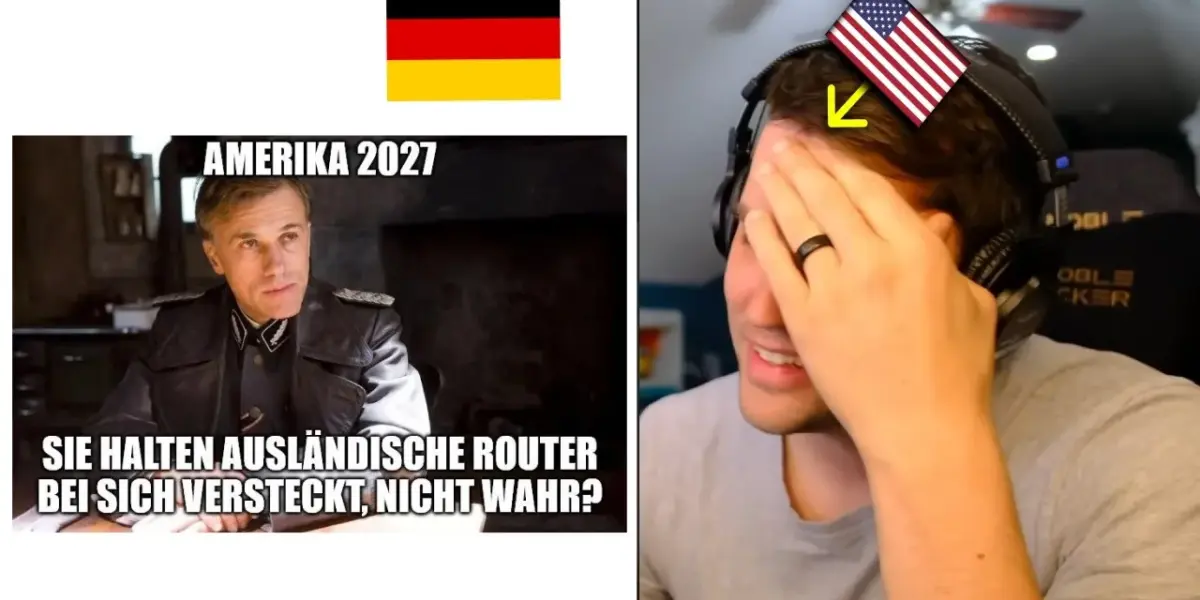
The video creator, while reacting to a collection of German memes, stumbled upon one that referenced FCC rules about foreign-made routers. This meme, which was highly popular on a German subreddit, depicted a scenario where Americans are forced to install new, potentially government-monitored routers. The creator expressed initial confusion, admitting they hadn’t heard about this significant FCC ruling. This sparked a deeper conversation, highlighting how online humor can sometimes bring attention to issues that might be overlooked in mainstream news cycles.
Understanding the Router Ban
The FCC (Federal Communications Commission) has indeed banned new consumer internet routers manufactured outside the United States. The official reason cited is national security concerns. The FCC believes that these foreign-made devices could pose an unacceptable risk, potentially allowing foreign entities to spy on American users. This decision affects all new routers coming from outside the US, not just those made in China, which initially surprised the video creator.
Historical Context and Security Concerns
Concerns about technology from certain countries, particularly China, have been building for some time. For years, there have been discussions and actions taken regarding Chinese-made technology like Huawei phones, which have been limited in the US due to similar security worries. Reports have surfaced about Chinese efforts to spy on Americans, steal research from universities, and use technology for surveillance. While the creator initially thought the meme was only about Chinese routers, the broader FCC ban on all foreign-made routers broadens the scope of these security worries. This isn’t a new phenomenon; countries have long been wary of foreign technology that could be used for espionage.
The Meme’s Political Satire
The meme itself seemed to be a form of political satire, with the creator interpreting it as a jab at potential government overreach or censorship. The idea of being forced to use a specific type of router, potentially one that allows for more surveillance, resonated with the creator. The meme also touched upon broader anxieties about government control and the implications of technology policies, suggesting that the humor was rooted in real-world fears about privacy and security in an increasingly connected world.
Differing Perspectives on the Issue
The creator’s reaction showed a progression from personal confusion to a broader understanding of the issue. Initially, the creator questioned why this wasn’t a bigger story in the US, only to find that major publications were indeed covering it, albeit perhaps not as headline news. This suggests that while the FCC ruling is significant, the sheer volume of other news might be overshadowing it. The creator also noted that the German meme community seemed more aware of this specific issue than the average American, which they found quite interesting. There’s a clear divide between the official security concerns driving the ban and the satirical interpretations that emerge in online culture.
Why This Matters
This situation highlights several important points. Firstly, it shows how interconnected global security concerns are. What might seem like a niche issue in one country can be a topic of discussion and humor in another. Secondly, it underscores the growing importance of cybersecurity and data privacy. As more of our lives move online, the security of our internet infrastructure becomes paramount. The FCC’s decision, while aimed at protecting Americans, also raises questions about technological independence and the potential impact on consumers. Finally, it demonstrates the power of social media and memes to bring attention to complex issues, sometimes even before they become mainstream news topics.
Implications and Future Outlook
The ban on foreign-made routers is likely to have ripple effects. It could spur domestic innovation and production of networking equipment, but it might also lead to higher costs for consumers or limited choices. The ongoing debate about technology, security, and privacy will undoubtedly continue. As technology evolves, so too will the challenges of ensuring its safe and ethical use. The conversation sparked by a German meme serves as a reminder that these issues are not just abstract policy debates but have real-world implications for everyone’s daily lives.
A Note on Humor and Culture
Beyond the security implications, the memes themselves offered a glimpse into German humor and culture. From jokes about specific cities and youth slang to observations about everyday life and generational differences, the collection provided a lighthearted look at German society. The creator’s genuine amusement and occasional confusion about the cultural references added another layer to the video, showing how humor can bridge cultural divides while also revealing shared human experiences and anxieties. The unexpected depth found within these humorous observations serves as a testament to the power of shared online spaces.
Source: Reacting to the FUNNIEST GERMAN MEMES [#143] (YouTube)

Related Articles


Iran Targets US With Cyberattacks, Escalating Digital Warfare
Iran is increasingly using cyberattacks to challenge the U.S., as seen in a recent hack of the FBI director's account. Experts say this is a strategic shift due to Iran's limitations in conventional warfare. The U.S. needs to strengthen its digital defenses, focusing on encryption and cloud computing, rather than solely relying on traditional security measures.


Iran Hacks FBI Chief, Exposing U.S. Cyber Vulnerabilities
A recent hack of FBI Director Kash Patel's personal email by an Iran-linked group highlights Iran's growing cyber threat to the U.S. Experts explain how simple security oversights are exploited, emphasizing the need for basic defenses like two-factor authentication to protect against propaganda and potential infrastructure attacks.


Trump Ignored Iran War Warnings, Aides Feared Retaliation
President Trump allegedly ignored repeated warnings from his own intelligence agencies regarding the dangers of escalating conflict with Iran. Reports suggest his administration was unprepared for predictable responses like the closure of the Strait of Hormuz and significant depletion of munitions. Many within the White House reportedly suppressed their concerns for fear of repercussions.