Trump FCC Chair Threatens Broadcasters Over War Coverage
FCC Chairman Brendan Carr has threatened broadcast licenses for media outlets not serving the "public interest," following President Trump's criticism of war coverage. Experts warn this move could stifle press freedom during wartime and influence reporting narratives.

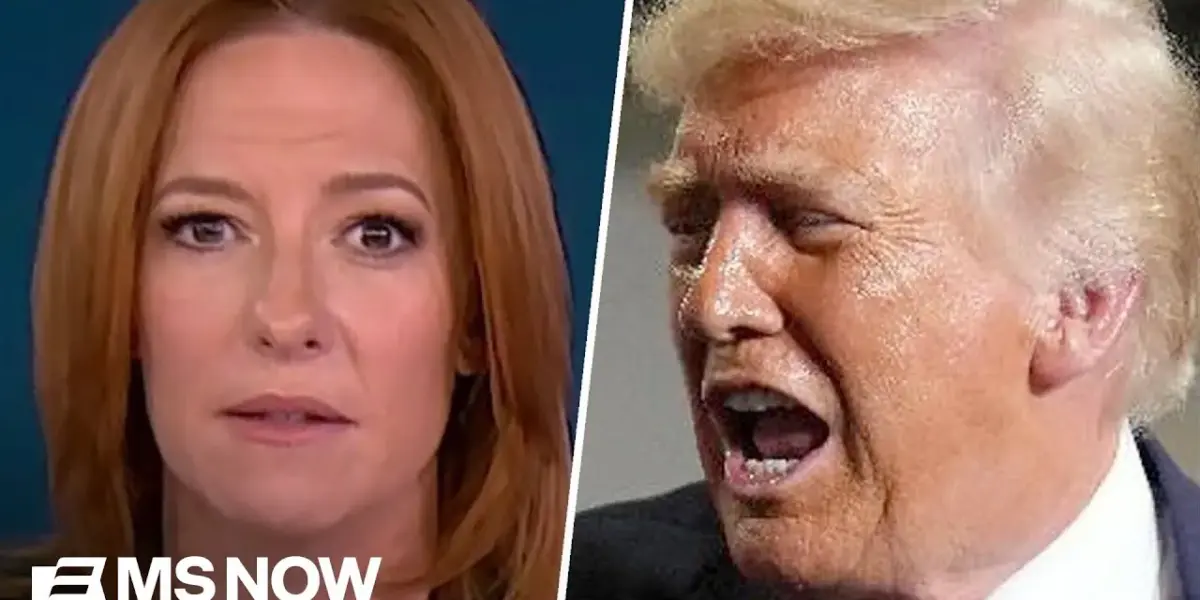
Trump FCC Chair Threatens Broadcasters Over War Coverage
Former President Donald Trump has publicly expressed frustration with media coverage of the ongoing conflict in Iran, accusing news outlets of intentionally misrepresenting facts on the ground. This criticism has escalated with a direct threat from FCC Chairman Brendan Carr, who suggested revoking broadcast licenses for outlets not operating in the “public interest.” The move has raised concerns about press freedom during wartime.
Carr’s Threat and Mar-a-Lago Meeting
Following Trump’s online criticisms, FCC Chairman Brendan Carr issued a stark warning: media outlets could lose their broadcast licenses if they failed to serve what he deemed the public interest. This definition of “public interest” appears closely aligned with Trump’s desire for positive coverage of the war.
CNN reported that Carr’s threat was not made in isolation. Just the day before, Carr met with Trump at his Mar-a-Lago resort. He was also seen on the same flight returning from Florida, suggesting a coordinated effort to influence media narratives.
The message from Trump and Carr to the press is clear: they want news about the war in Iran to be presented in a favorable light for Trump. In their view, such positive reporting is considered patriotic.
Media Response and Conservative Outlets
While many mainstream media organizations have largely ignored the pressure, focusing on their role of holding government officials accountable, some conservative outlets appear to have taken the directive to heart. These outlets have echoed the sentiment that the war is a success and that all networks should adopt a more pro-American stance in their reporting.
“I think we kind of just won the war.” “They gave us pretty much everything we want.” “Every network needs to get on board with that.”
These statements reflect a potential shift in some media circles, influenced by the administration’s push for positive war coverage.
FCC’s Authority and Historical Precedents
Brendan Carr and the FCC do not possess the direct authority to revoke broadcast licenses simply because they disagree with the content. However, Carr has a history of using similar tactics. Previously, he threatened networks over their coverage of late-night host Jimmy Kimmel, which temporarily led to Kimmel’s show being pulled from the air.
The current situation carries significantly higher stakes. Unlike a comedy show, the subject matter is a war, making the potential for suppressing dissent or critical reporting far more serious.
Expert Analysis on War Coverage and Press Freedom
Terry Moran, former senior national correspondent at ABC News, emphasized the importance of accurate war reporting. He stated, “We’re supposed to cover the war accurately, and accurately means on the facts and with the American people. They need the information from their government. They need it straight.” Moran warned that this administration might exploit wartime powers to keep Americans uninformed.
Elise Labbitt, a global affairs journalist, noted the distinction between military operations and political messaging. She observed that while the military executes its orders, figures like Secretary of Defense and Senator Marco Rubio seem to be repeating Trump’s desired talking points. Labbitt, who has experience in State Department briefings, described the traditional press briefing as a crucial conversation between officials and the public, acting as a conduit for information.
Labbitt also pointed out that administrations that foster open dialogue with the press often receive better coverage. She believes the current adversarial relationship between the president and the press hinders responsible war reporting. “It’s like a continuous lying cycle here,” she remarked, contrasting it with past experiences where press and spokespeople engaged in more open, albeit sometimes performative, exchanges.
The Role of the Press in Wartime
The discussion highlighted that the press’s role is not to provide positive spin on military actions but to report facts accurately. This function is especially critical during wartime, when government power tends to increase and transparency becomes paramount.
“The First Amendment, when freedom of the press is more important than ever during wartime,” Moran stressed, underscoring the fundamental importance of an independent press in a democracy, particularly when the nation is engaged in conflict.
Looking Ahead
The actions by Trump and Carr signal a potential increase in pressure on news organizations to align their reporting with the administration’s narrative. How media outlets respond, and whether regulatory bodies like the FCC will overstep their authority, will be crucial to watch. The ongoing tension between the government’s desire for favorable coverage and the press’s duty to report truthfully remains a critical issue.
Source: Trump UPSET at lack of media cheerleading for his war, tries bullying (YouTube)

Related Articles
CPAC Crowd Cheers Impeachment, Stuns Trump Allies
At the recent CPAC conference in Texas, attendees surprised many by cheering for impeachment hearings, signaling potential divisions within the conservative base. The event also highlighted voter frustration over issues like ongoing wars and affordability, with some considering not voting.

German Memes Unveil Unexpected US Security Fears
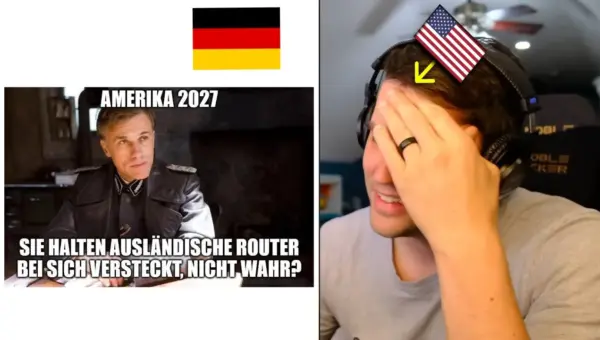
A deep dive into German memes reveals a surprising focus on US national security, specifically the FCC's ban on foreign-made internet routers. This analysis explores the security concerns, the political satire behind the memes, and why this issue matters in our connected world.
Polls Spell Doom: Republicans Face Voter Backlash
New polling data reveals a sharp decline in public confidence regarding the economic impact of Republican policies, particularly under Donald Trump. A significant majority now feel financially worse off, a trend that is especially pronounced among independent voters. This economic discontent poses a major challenge for the Republican party heading into future elections.