FCC Chair Threatens Media; Is This Fascism’s Return?
FCC Chairman Brendan Carr's warning to broadcasters about "fake news" and potential license revocation has raised alarms about government control over media. This analysis explores the legal basis for such threats, historical parallels with authoritarian regimes, and the implications for press freedom in the United States.

FCC Chair Threatens Media; Is This Fascism’s Return?
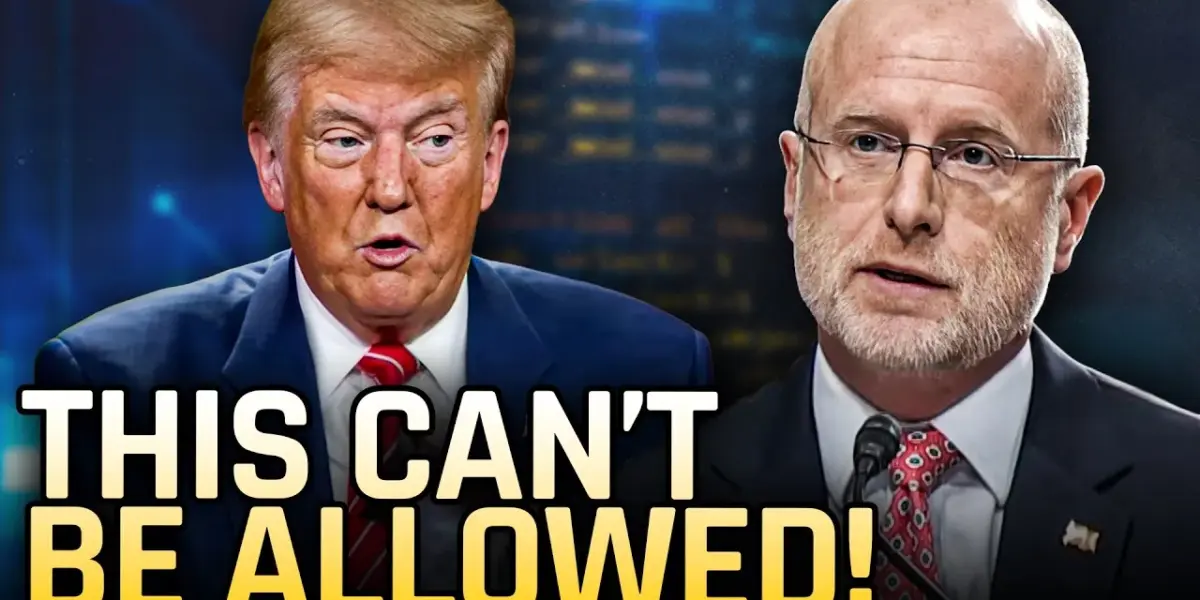
Brendan Carr, the chairman of the Federal Communications Commission (FCC) under Donald Trump, recently issued a statement that has sparked serious concern. He warned broadcasters that outlets spreading “hoaxes and news distortions,” which he labeled “fake news,” have a chance to “correct course before their license renewals come up.” Carr stated plainly, “The law is clear. Broadcasters must operate in the public interest and they will lose their licenses if they do not.” This statement suggests a powerful government figure is using the threat of losing broadcast licenses to influence news reporting.
The idea of operating in the “public interest” is central to broadcast law. It means that those who use public airwaves—like radio and television—have a responsibility to serve the community. However, “public interest” is a very flexible term. It could mean many things, from providing educational content to simply offering entertainment that keeps people from being bored. The core question is who gets to decide what truly serves the public interest.
Carr’s warning implies that the FCC will judge whether news reports are factual and, if not, could revoke a broadcaster’s license. This raises a significant point: does the government have the right to dictate what is true and what is false in news reporting? Historically, the answer in the United States has leaned towards protecting free speech, even speech that some may consider inaccurate.
A Look Back: The Media’s Right to Report (or Not)
An important legal precedent, though perhaps not widely known, could actually challenge Carr’s recent threat. Years ago, a case involving a Fox affiliate in South Florida highlighted this issue. A reporter uncovered a story about a large multinational corporation operating in the area and allegedly causing significant environmental damage and poisoning the local area. This was a serious issue that deserved public attention.
However, the reporter’s own Fox affiliate refused to air the story. Management reportedly told the reporter to say different things, fearing the powerful company’s reaction. When the reporter refused to compromise her journalistic integrity and lost her job over it, a court case followed. Surprisingly, the courts ultimately sided with the media outlet. The effective outcome of this case was that the media does not have a legal obligation to report the truth. They can, in essence, report misinformation or withhold information without facing legal penalty from the government.
This court ruling is crucial because it directly undermines Carr’s threat. If media outlets cannot be legally compelled to tell the truth, then threatening them with license revocation for not doing so is on shaky legal ground. While this particular court case had negative implications for public information at the time, it might now serve as a shield against government overreach into news content.
Fascism and Media Control: A Historical Link
The core of the concern about Carr’s statement lies in its potential connection to authoritarianism. When we look at the characteristics of fascist regimes throughout history, one of the most consistent features is the tight control of the media. This is not a coincidence. Authoritarian governments often seek to control information to make the public more compliant and to hide unfavorable truths.
The goal is to shape public perception by limiting what people can see, hear, and therefore believe. By controlling the narrative, a government can suppress dissent and promote its own agenda. This is precisely what critics argue Carr’s actions represent: an attempt to use the power of the FCC to enforce a particular version of reality, especially when that reality might be challenged by independent news reporting.
Carr’s accusations that media outlets are spreading “fake news” and his subsequent threat echo tactics seen in regimes that seek to silence critical voices. The argument that the U.S. is currently facing a return of such ideologies, where media freedom is threatened by government power, is a serious one. The claim is that fascism is no longer a distant threat but has actively entered public discourse, making its presence undeniable.
Why This Matters
The implications of the FCC chairman using his power to potentially punish news organizations for their reporting are profound. A free press is a cornerstone of democracy. It acts as a watchdog, holding those in power accountable and informing the public. When the government attempts to dictate what is considered acceptable news, it erodes this vital function. This creates a chilling effect, where journalists may self-censor for fear of losing their licenses, leading to less diverse and critical reporting.
This situation taps into a broader trend of political figures attempting to discredit and control news sources they deem unfavorable. In an era of rapid information spread through various platforms, the government’s role in regulating broadcast media is already complex. Carr’s actions, however, suggest a move towards direct intervention in the content of news, which is a significant departure from established norms.
The Future Outlook
The future of broadcast media regulation and press freedom in the U.S. hinges on how these challenges are met. Legal challenges to Carr’s stance are likely, particularly given the historical court precedent that media outlets are not legally obligated to report the truth. The public’s understanding and defense of a free press will also be critical. If citizens value unbiased reporting and hold their leaders accountable for attempting to control information, then such actions may be less successful.
The debate over “fake news” and media bias is ongoing. However, the government using regulatory power to enforce its own version of truth is a dangerous path. It risks transforming public airwaves from a space for diverse information into a tool for state propaganda. The question remains whether the U.S. will uphold its tradition of a free press or succumb to pressures that could undermine democratic principles.
Source: Trump's FCC Has Gone Full Fascist (YouTube)

Related Articles

German Memes Unveil Unexpected US Security Fears
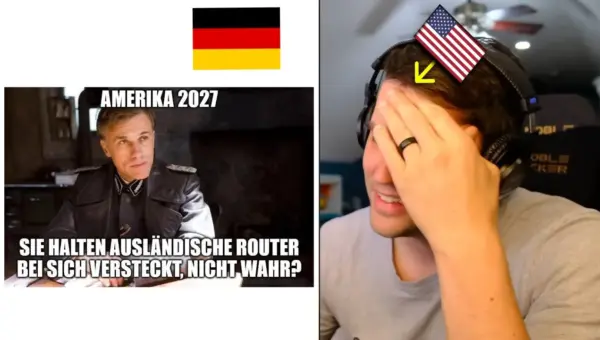
A deep dive into German memes reveals a surprising focus on US national security, specifically the FCC's ban on foreign-made internet routers. This analysis explores the security concerns, the political satire behind the memes, and why this issue matters in our connected world.
Trump’s Fabricated Deals Fuel Doubts About His Leadership
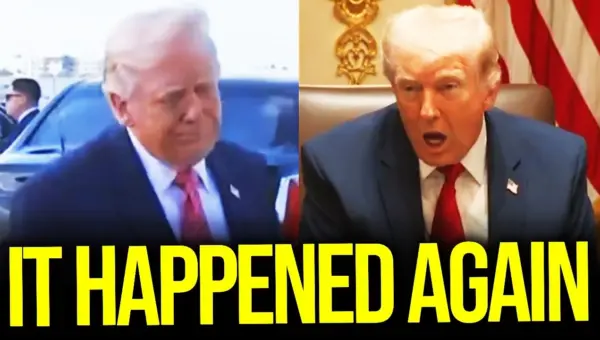
Donald Trump's recent claims about negotiating custom markers and success with Iran have been met with strong denials from the involved parties. These fabrications raise serious questions about his leadership and ability to provide accurate information, impacting national security and economic stability.

FCC Router Ban: Security or Security Theater?
The FCC has banned new foreign-made routers, citing national security concerns. However, critics question the policy's logic, as existing routers remain unaffected and specific risks are undisclosed. This move sparks debate over its true effectiveness in enhancing cybersecurity.