Colbert’s Interview Ban Highlights FCC ‘Chilling Effect’
Stephen Colbert's decision to move a candidate interview to YouTube due to FCC 'equal time' rule concerns highlights the 'chilling effect' on broadcast speech. The incident sparks debate on regulatory overreach and the media's role in public discourse.

Colbert’s Interview Ban Highlights FCC ‘Chilling Effect’
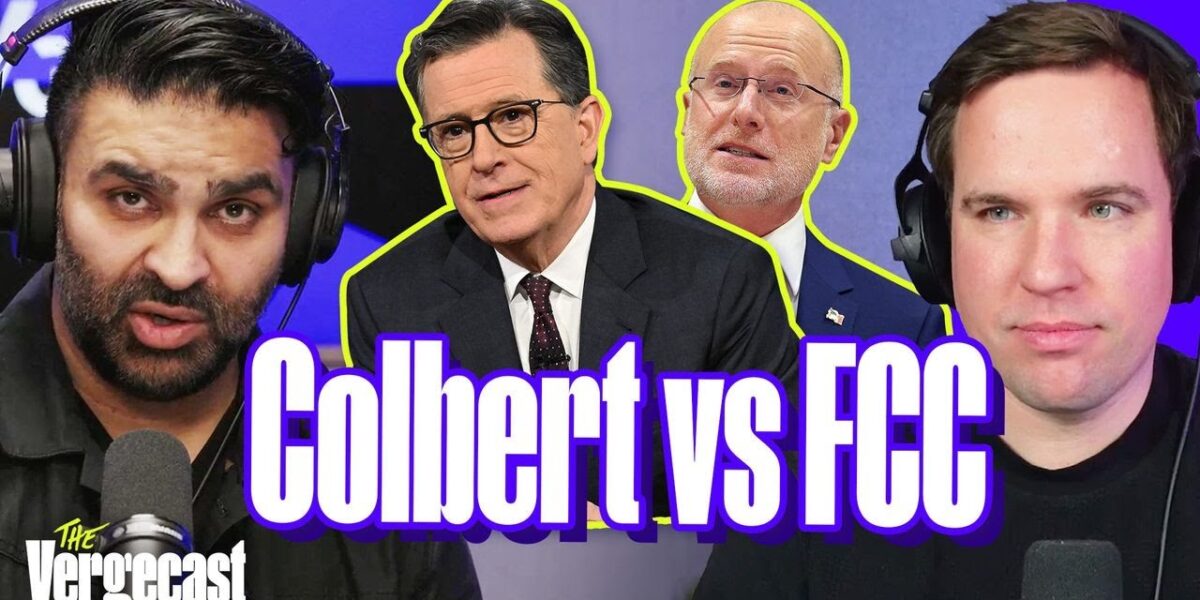
In a move that has sent ripples through late-night television and sparked a debate about free speech on broadcast media, Stephen Colbert’s The Late Show recently opted not to air an interview with Texas Senate candidate James Telerico. The decision, attributed to legal concerns surrounding FCC regulations, has been framed by many as a prime example of the ‘chilling effect’ — where the mere threat of regulation or enforcement stifles speech, even without direct prohibition.
The controversy began when Colbert announced on his show that the planned interview with Telerico would not be broadcast. He explained that his network, CBS, had advised against airing the segment due to potential violations of the FCC’s ‘equal time’ rule. This rule generally requires broadcasters to offer equal airtime to opposing candidates if one candidate is featured. While this rule has long been in place, its application to modern talk shows has been a complex and often unenforced area.
Colbert highlighted that FCC Commissioner Brendan Carr had recently expressed intentions to reconsider the long-standing exception for talk shows under the equal time rule. Despite no formal rule change, CBS’s legal team reportedly advised that airing the Telerico interview could trigger an FCC review or necessitate offering equal time to other candidates, a process deemed too complicated and potentially costly. Instead of navigating this, CBS lawyers advised against it, leading Colbert to pivot the interview to The Late Show‘s YouTube channel. The decision to move the interview online, coupled with Colbert’s on-air explanation, resulted in the YouTube video garnering millions of views, significantly outpacing typical broadcast viewership and ironically amplifying the candidate’s reach.
The ‘Chilling Effect’ in Action
Neel Patel, discussing the situation on The Vergecast, emphasized how this scenario perfectly illustrates the ‘chilling effect’ in First Amendment law. “Brendan has been talking about the equal time rule… He has chilled the speech of Stephen Colbert,” Patel explained. “He has made it so Stephen Colbert on his own program cannot air the interview because CBS’s lawyers are so worried about triggering an equal time review or having to comply with an equal time rule that hasn’t been enforced in forever.”
The core issue lies in the ambiguity and the perceived capriciousness of enforcement. Even if CBS were willing to offer equal time, the lack of clear guidance from Carr on what constitutes compliance leaves broadcasters in a difficult position. This uncertainty, Patel argued, leads networks to err on the side of caution, effectively censoring content to avoid potential regulatory headaches. “Your speech will be chilled, and that is 100% what Colbert is saying,” he added.
Adding to the complexity, the interview, once moved to YouTube, quickly became a viral sensation. This outcome underscores the changing media landscape, where broadcast limitations are circumvented by digital platforms. The irony was not lost on the hosts, who noted that attempts to suppress content on traditional media often lead to greater exposure online, a phenomenon colloquially referred to as the ‘Streisand effect’.
CBS’s Statement and The Verge’s Stance
CBS eventually released a statement clarifying their position, asserting that The Late Show was not prohibited from broadcasting the interview but was instead provided with ‘legal guidance’ on the potential ramifications of the FCC’s equal time rule. The statement suggested that the show’s decision to move the interview to YouTube was a choice to avoid the complexities of fulfilling equal time obligations for other candidates. Colbert, in a subsequent segment, humorously critiqued this statement, even depicting it being bundled with dog waste, highlighting his dissatisfaction with the network’s perceived timidity.
The Verge, in its reporting, took a firm stance against companies issuing statements on background without attribution. When CBS initially provided their statement without a named representative, The Verge pushed back, adhering to their policy of requiring named sources for public statements. Phil Gonzalez, SVP of Comms at CBS, reportedly declined to provide a name, stating that The Verge did not need to use the statement. This exchange highlights The Verge’s commitment to accountability and transparency in media reporting, refusing to shield corporate responses behind anonymity.
Is Brendan Carr Winning?
The broader question remains: is Commissioner Brendan Carr’s strategy of invoking old rules and signaling potential enforcement effectively winning him battles over speech regulation? While Carr may perceive himself as succeeding by forcing major corporations to tread carefully around broadcast content, the long-term implications are concerning. Critics argue that this approach weaponizes the FCC, pushing it away from its core mission of ensuring broadband connectivity and towards policing content, a role many believe is ill-suited for a modern regulatory body.
The situation with Colbert and Telerico is seen as symptomatic of a larger trend where regulatory pressure, even if nascent or ambiguously applied, can lead to self-censorship by media organizations. This is particularly troubling as traditional broadcast media faces increasing competition from a vast array of online content sources that are largely beyond the FCC’s purview. The argument is that by focusing on regulating broadcast airwaves, the FCC risks becoming obsolete while stifling legitimate expression on platforms it cannot control.
Ultimately, the Colbert interview saga serves as a potent reminder of the delicate balance between regulatory oversight and the protection of free expression, especially in an era of rapidly evolving media consumption. The ‘chilling effect’ demonstrated here raises critical questions about the future of content on broadcast television and the role of regulatory bodies in shaping public discourse.
Specs & Key Features
- Event: Stephen Colbert’s The Late Show chooses not to air an interview with Texas Senate candidate James Telerico on broadcast television.
- Reason Cited: Legal guidance regarding FCC’s ‘equal time’ rule, specifically concerns raised by FCC Commissioner Brendan Carr about reconsidering exceptions for talk shows.
- Alternative Platform: Interview was subsequently released on The Late Show‘s official YouTube channel.
- Impact: The YouTube video garnered millions of views, highlighting the ‘Streisand effect’ and the limitations of broadcast regulation in the digital age.
- Key Concept Discussed: ‘Chilling effect’ on speech due to potential regulatory enforcement.
- CBS Statement: Claimed the show was provided ‘legal guidance’ and options, not prohibited from airing the interview.
- The Verge’s Reporting Stance: Insisted on named sources for corporate statements, refusing to publish unattributed responses.
- Broader Debate: The role of the FCC in policing speech versus focusing on broadband connectivity, and the potential for regulatory overreach.
Who Should Care?
This story is of significant interest to media consumers, content creators, legal scholars specializing in First Amendment law, and anyone concerned about the intersection of government regulation and free speech. Politicians, media executives, and broadcast journalists will find the discussion on regulatory strategy and its impact on creative freedom particularly relevant. Furthermore, viewers who rely on traditional television for news and entertainment should be aware of how regulatory pressures can shape the content they see.
Availability and Pricing
The interview with James Telerico is available on The Late Show with Stephen Colbert‘s official YouTube channel. No pricing is associated with viewing the content, as it is a free online release. The incident occurred around mid-January 2024, with discussions and reporting following shortly thereafter.
Source: The speech police came for Colbert | The Vergecast (YouTube)

Related Articles
Finnish Lawmaker Sparks Free Speech Debate After Hate Speech Conviction
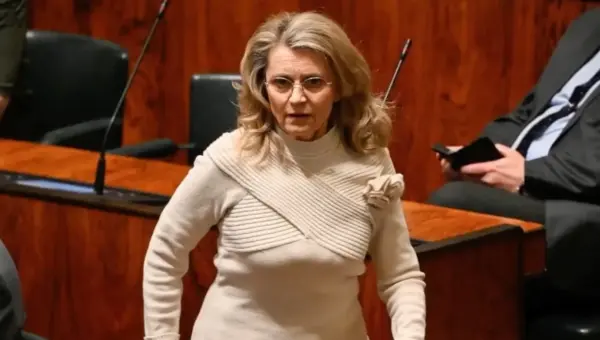
Finnish lawmaker Pa Räsänen was convicted of hate speech for statements in a 20-year-old pamphlet discussing her views on marriage and sexual ethics. The Supreme Court ruled her text insulted a group, though it didn't incite violence. She plans to appeal, raising concerns about free speech for religious beliefs.
DOJ Admits State Dept. Silenced Speech, Settles Lawsuit
The Justice Department settled a lawsuit alleging the Biden State Department worked to silence disfavored speech online. The DOJ admitted the State Department promoted censorship tools, leading to suppression of protected speech. This settlement highlights concerns about government influence over online content.


FCC Chair Climbs Tower, Highlighting Connectivity Push
FCC Chair Brendan Carr's 2,000-foot tower climb highlights a push for rural connectivity. Meanwhile, a new poll shows Gen Z feeling anxious and angry about AI's potential job displacement.