FCC Chair Threatens Broadcaster Licenses Over Iran War Coverage
FCC Chairman Brendan Carr has threatened to revoke broadcaster licenses over their coverage of the Trump administration's Iran policy, a move President Trump has endorsed. Critics, including Senator Ron Johnson, decry the actions as a violation of the First Amendment and an overreach of government power.

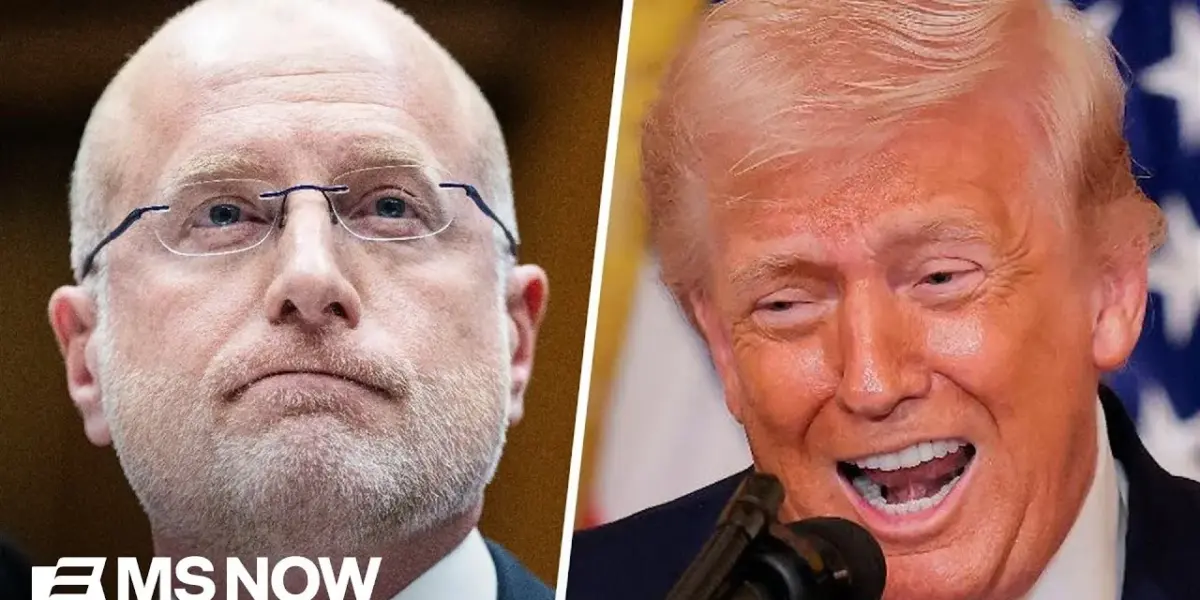
FCC Chief Escalates Attacks on Media Over Iran War Reporting
Federal Communications Commission (FCC) Chairman Brendan Carr has issued a stark warning to broadcasters, threatening to revoke their licenses over coverage of the Trump administration’s actions regarding Iran. Carr accused media outlets of disseminating “hoaxes and news distortions” related to the conflict without evidence, asserting that broadcasters must operate in the public interest or risk losing their licenses.
Trump Backs FCC Chair, Accuses Media of Treason
President Donald Trump quickly endorsed Carr’s stance, escalating the rhetoric by falsely accusing news organizations of coordinating with the Iranian government to spread falsehoods. The President went further, suggesting that outlets disseminating what he deemed false information should face charges of treason.
“The law is clear. Broadcasters must operate in the public interest and they will lose their licenses if they do not.”
FCC Chairman Brendan Carr
Bipartisan Criticism Mounts Against FCC’s Threats
The administration’s actions have drawn significant criticism from across the political spectrum. Senator Ron Johnson, a staunch Republican ally of President Trump, voiced strong opposition to the FCC chairman’s threats, emphasizing his support for the First Amendment and advocating for minimal government interference in the private sector. “I do not like the heavy hand of government, no matter who’s wielding it,” Senator Johnson stated. “So, no, I’d rather the federal government stay out of the private sector as much as possible. And really, the federal government’s role is to protect our freedoms, protect our constitutional rights.” Media analysts note that figures like Senator Ted Cruz have also previously spoken out against Carr’s rhetoric regarding media coverage.
White House Seeks Control Over Iran Narrative
According to senior White House reporter Vaughn Hilliard, the core of the White House’s discontent stems from President Trump’s desire for greater control over news narratives concerning his policy decisions. This latest move comes in the wake of numerous stories questioning the U.S. negotiators involved in the Iran nuclear talks and the long-term strategy of the Trump administration in the region. The FCC chairman’s threats are seen as an attempt to pressure news organizations into providing a more favorable narrative on the Iran conflict, with the potential loss of broadcast licenses as leverage.
First Amendment Concerns and Legal Challenges
NPR media correspondent David Folkenflik highlighted that reporting factual information about a war is inherently in the public interest, a principle that historically justified broadcasters’ public service role and their acquisition of free licenses to operate. Folkenflik also pointed out the significant First Amendment implications of Carr’s actions. While acknowledging that direct challenges to networks are not possible as the FCC licenses local stations, he noted that such threats, if acted upon, would likely face strong legal challenges in court. However, he also suggested that the administration’s actions might be intended to intimidate media organizations, particularly those with significant business interests before the government, into self-censorship.
Targeted Outlets and FCC’s Regulatory Reach
The primary outlets drawing the ire of President Trump and Defense Secretary Pete Hegseth include The New York Times, The Wall Street Journal, and CNN. Folkenflik detailed the complexities of FCC regulation in relation to these outlets. The New York Times and its parent company do not own television stations. While The Wall Street Journal does not hold an operating license, its owners, the Murdochs, do own Fox stations, though Folkenflik deemed it unlikely they would be targeted due to their close alliance with the President. CNN, a cable network, is not regulated in the same manner as broadcast television. Its potential acquisition by the Ellison family, who also own CBS stations, presents another layer of complexity, though their alignment with the White House makes direct FCC action improbable.
An Activist FCC Chairman
The actions of FCC Chairman Brendan Carr are characterized by observers as an “extremely activist and muscular interpretation of the authority of the FCC.” Carr has previously initiated inquiries into a 60 Minutes interview with Kamala Harris, investigated NPR and PBS sponsorships, threatened ABC’s license over a monologue by Jimmy Kimmel, and pressured ABC affiliates to remove him from the air. Most recently, he opened a probe into The View. These actions suggest a pattern of the FCC chairman operating in close coordination with the White House, signaling a departure from the traditional FCC role of operating with a degree of independence from partisan politics.
Broader Implications for Press Freedom
The escalating threats from the FCC chairman raise serious concerns about the future of press freedom in the United States. The ability of journalists to ask critical questions, especially during times of conflict, is a cornerstone of democratic accountability. The administration’s efforts to pressure news organizations and influence coverage are seen by many as an attempt to stifle dissent and control the public narrative. The dynamic described, where corporate media owners with significant government interests may be reluctant to challenge the administration legally, further exacerbates these concerns, creating a potentially chilling effect on independent journalism.
What’s Next for Media and the FCC
The ongoing tension between the Trump administration and news organizations, particularly concerning foreign policy and wartime reporting, is expected to continue. Media watchdogs and civil liberties advocates will be closely monitoring the FCC’s actions and any potential legal challenges that may arise. The extent to which broadcasters and news outlets push back against these pressures, and whether the FCC pursues any of these license revocation threats, will be critical indicators of the state of press freedom in the coming months.
Source: FCC chair threatens broadcasters' licenses over Iran war coverage (YouTube)

Related Articles
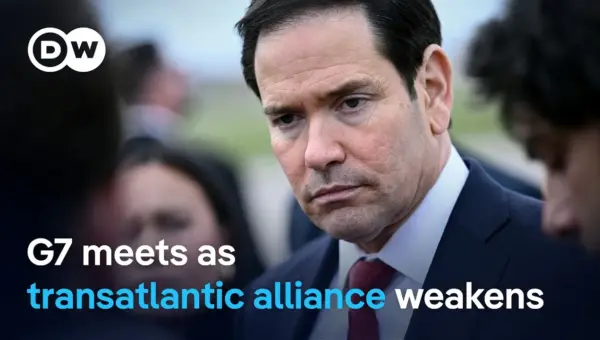
G7 Allies Clash Over Iran War Strategy, Urge Focus on Russia
G7 foreign ministers met in Paris, revealing deep divisions over the U.S. war with Iran. European allies urged the U.S. to pressure Russia, linking its actions to the conflict and fearing support for Ukraine will wane.

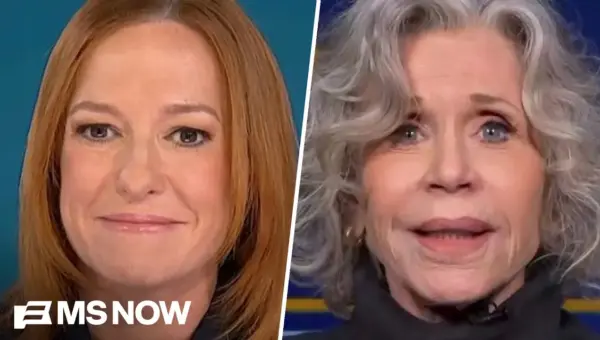
Jane Fonda Warns of ‘Existential Crisis’ Amid Protests
Jane Fonda has issued a stern warning about widespread attacks on the First Amendment, urging Americans to defend their freedoms. The veteran activist highlighted the growing number of large-scale protests as a sign of public concern and a crucial opportunity to address both democratic erosion and the climate crisis.

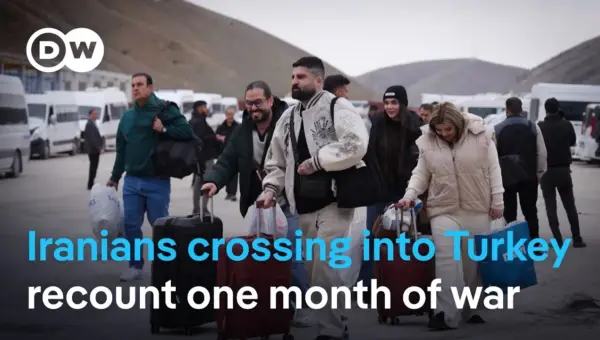
Iran War Exodus: Refugees Flee to Turkey Amidst Bombings
A train from Tehran brings refugees to Turkey, fleeing daily bombings and economic collapse. Many express deep fear for loved ones left behind, while some hold onto national pride and hope for victory. The conflict's impact is also felt economically in Turkey, with rising gas prices.