Trump Escalates Media War, FCC Threatens Broadcast Licenses
President Trump's war with the media intensifies as the FCC chairman threatens to revoke broadcast licenses over alleged inaccuracies. The controversy stems from reporting on damaged military planes, drawing sharp criticism from the President and raising concerns about narrative control and press freedom.

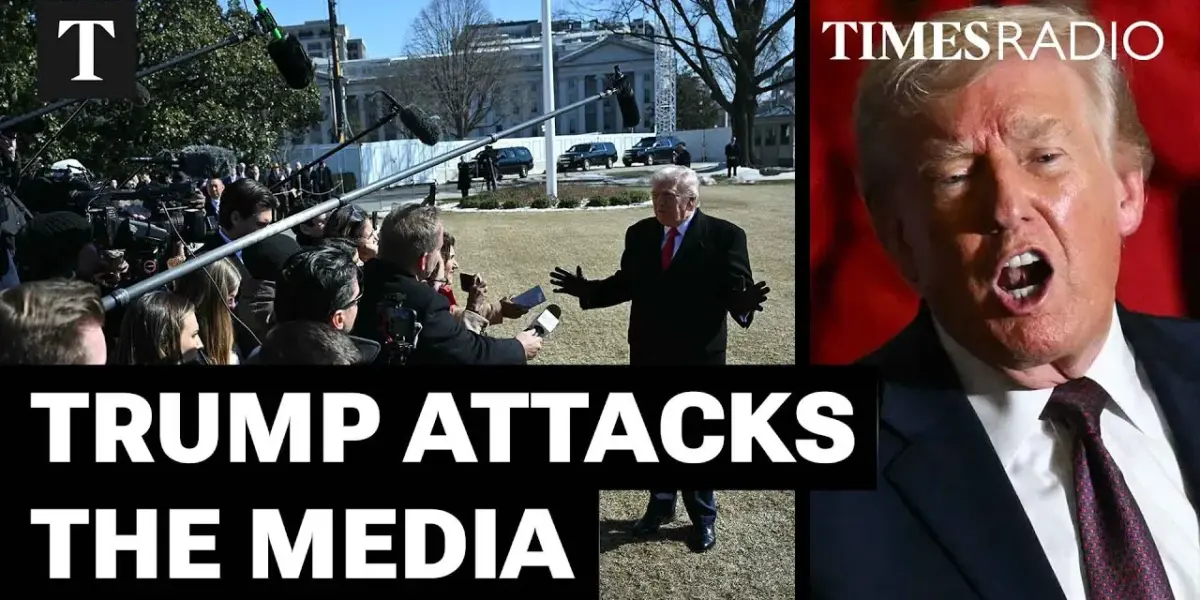
Trump Intensifies Media Confrontation Amidst FCC License Threats
In a dramatic escalation of his ongoing conflict with the press, President Donald Trump has intensified his criticism of media organizations, coinciding with a significant move by the Federal Communications Commission (FCC). The chairman of the FCC, the body responsible for issuing broadcast licenses, has publicly threatened to revoke licenses over what he described as “inaccuracies and hack jobs” in news reporting. This development, occurring against the backdrop of ongoing military operations, raises serious questions about the administration’s relationship with the media and the potential for government influence over news dissemination.
The Spark: Wall Street Journal Report Under Fire
The immediate catalyst for President Trump’s latest media broadside appears to be a report published by The Wall Street Journal. The newspaper accurately reported that four Air Force refueling planes stationed in Saudi Arabia had sustained damage. Trump characterized this reporting as detrimental to the war effort, suggesting the newspaper was unpatriotic and wished for America to lose. This accusation, however, stands in contrast to the facts, as The Wall Street Journal‘s reporting was corroborated by the Department of Defense, and the article did not claim the planes were destroyed.
Adding a layer of stark contrast, the same week saw the Department of Defense confirm the loss of six U.S. Air Force personnel after their aircraft was shot down over western Iraq. The President’s focus on the damaged planes, while downplaying or omitting the human cost, has drawn attention. Historically, a commander-in-chief’s primary concern in times of conflict is the safety and well-being of service members, rather than solely military resources.
FCC Chairman’s Bold Move
The involvement of the FCC chairman injects a new and potentially more potent element into the conflict. The chairman’s public threat to revoke broadcast licenses, citing alleged inaccuracies, represents a significant exertion of authority. While such actions are not unprecedented, the process of revoking a broadcast license in the United States is notoriously difficult and requires substantial justification.
“Nobody’s surprised to hear Donald Trump lambasting the media. This is classic Donald Trump. He’s been doing this for years. What is more striking is that also Saturday, the chairman of the Federal Communications Commission… threatened to revoke licenses over… inaccuracies and hack jobs.”
This statement from Anita Powell highlights the unusual nature of the FCC chairman’s intervention, suggesting a coordinated effort or at least a parallel escalation from within the administration.
Media Response: Tired but Resilient
The reaction from within the media industry has been one of weariness, coupled with a commitment to journalistic principles. Many journalists feel that the President fundamentally misunderstands or misrepresents their role. The ethos of many legacy news organizations, including those with which the reporter has been associated, is to report the facts, regardless of whether they are favorable or unfavorable to the current administration.
President Trump has frequently used derogatory language to describe journalists and news outlets he perceives as critical. Despite the pressure, the prevailing sentiment among many in the media is to remain focused on the story and adhere to established journalistic practices. The reporter emphasizes the importance of maintaining clear focus and reporting the truth, a principle ingrained from experiences reporting in war zones.
Controlling the Narrative and Midterm Elections
A key question arising from President Trump’s actions is the extent to which his media strategy is aimed at controlling the narrative surrounding ongoing military conflicts, particularly in the lead-up to midterm elections. The President is widely recognized as a master of narrative construction and public perception. In times of conflict, it is common for leaders to present an optimistic outlook to maintain public support.
However, with declining approval ratings concerning his handling of military engagements, and the recent loss of U.S. service members, the war is becoming an increasingly significant issue for the administration. Polls have indicated low public support for the current military actions, with figures in the 20s and 30s. This backdrop makes the President’s efforts to shape public opinion even more critical as the midterms approach.
Concerns Over ‘Stars and Stripes’ Independence
Adding another dimension to the administration’s relationship with military reporting, concerns have been raised about the potential for increased Pentagon control over Stars and Stripes, the independent military newspaper. The Department of Defense, which owns the publication, has announced plans to overhaul its operations, including replacing civilian staff with active-duty military personnel.
The reporter, who previously worked as a civilian for Stars and Stripes, highlights the historical precedent for military personnel serving as reporters but notes that this move has surprised the newspaper’s management. The underlying issue, according to the reporter, seems to stem from President Trump’s dissatisfaction with media portrayals of the war that do not align with his desired narrative. The core principle of reporting truthfully, whether the news is good or bad, is paramount for maintaining reader trust, especially when the readership consists of service members who deserve an unvarnished account of events.
“Our readers were the service members. And we felt that they deserved the truth.”
Secretary of Defense Pete Hegar’s acknowledgment that “War is hell. War is chaos,” underscores the complex and often tragic nature of military conflict, a reality that journalists are tasked with conveying.
Promises vs. Reality: The War President
President Trump entered his second term with a stated goal of being the president who would end all wars. However, his administration has engaged in significant military actions, including operations in Iran and Venezuela. This apparent contradiction has created internal divisions within his political base, including the America First and MAGA movements.
Questions are being raised by both critics and some supporters about whether these military actions truly serve the interests of the American people. The upcoming midterm elections are expected to provide a clearer indication of public sentiment regarding the President’s foreign policy decisions and his administration’s handling of military conflicts.
Looking Ahead
The coming months will be critical in observing the interplay between President Trump’s media rhetoric, the FCC’s regulatory actions, and the public’s perception of ongoing military engagements. The midterm elections will serve as a significant referendum on the administration’s policies and its handling of both domestic and international affairs. The media’s ability to report independently and accurately, despite increasing pressure, will remain a crucial element in informing the electorate.
Source: Trump’s War With The Media Escalates As FCC Threatens Broadcast Licences | Anita Powell (YouTube)

Related Articles
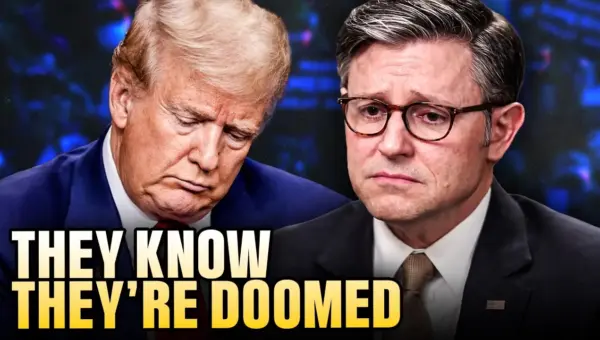
Polls Spell Doom: Republicans Face Voter Backlash
New polling data reveals a sharp decline in public confidence regarding the economic impact of Republican policies, particularly under Donald Trump. A significant majority now feel financially worse off, a trend that is especially pronounced among independent voters. This economic discontent poses a major challenge for the Republican party heading into future elections.
Trump Delays Iran Strike Deadline Amidst Shifting Diplomacy
President Donald Trump has extended his deadline for potential strikes on Iranian energy plants to April 6th, amid reports of U.S.-Iran diplomatic talks mediated by Pakistan. This move comes as Israel continues its strikes on Iran and the U.S. deploys additional military assets to the region. Analysts point to mixed signals, economic pressures, and strategic miscalculations as key factors shaping the evolving situation.
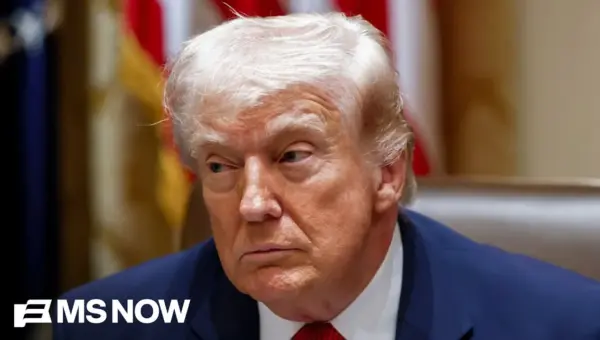
Iran War Claims Ring Hollow as US Troops Injured in New Attack
Days after Donald Trump claimed "we've won" the war with Iran, a new attack injured approximately a dozen U.S. troops and damaged aircraft. This incident contradicts Trump's assertions of victory and raises serious questions about the strategy and reality of the ongoing conflict.