Lego Outpaces Toy Rivals With IP, Efficient Supply Chains
The Lego Group is outperforming the toy industry by strategically integrating popular intellectual property and optimizing its global supply chain. This approach has allowed Lego to gain market share and cater effectively to both children and the growing 'kidult' consumer base.

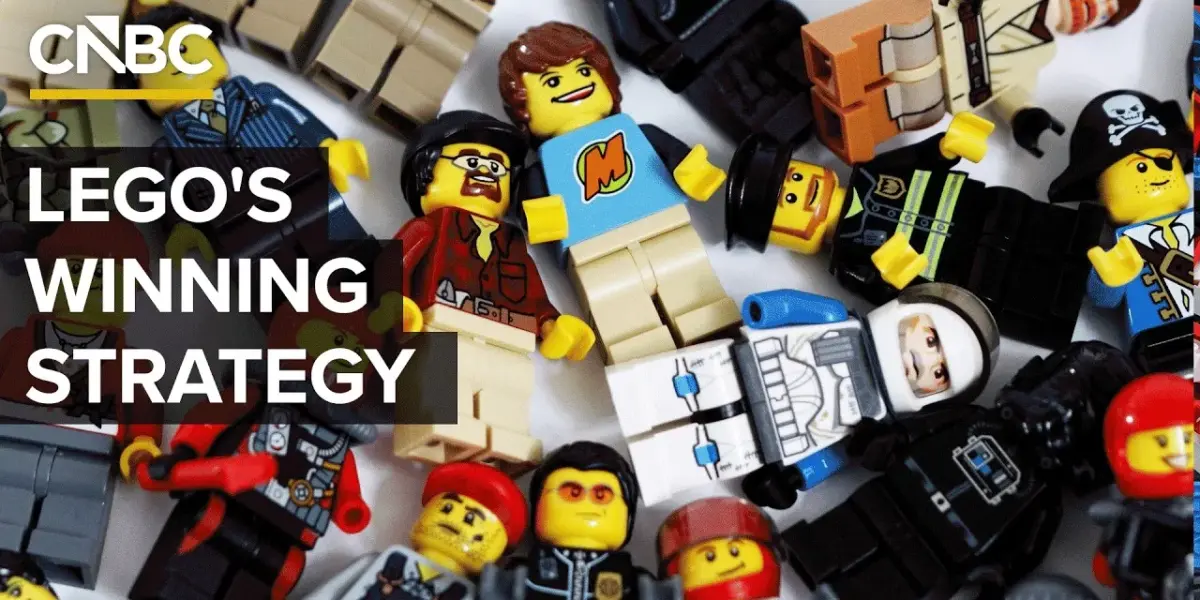
Lego Dominates Toy Market Through Strategic IP Integration and Supply Chain Prowess
The enduring appeal of the humble plastic brick has propelled The Lego Group to remarkable success, allowing the Danish toy giant to not only capture the imagination of children but also to significantly outperform the broader toy industry, especially in the post-pandemic era. This outperformance is characterized by market share gains and increased retail shelf presence, a feat attributed to a potent combination of astute trend spotting, particularly in intellectual property (IP) integration, and a highly streamlined, globally distributed supply chain.
Leveraging Intellectual Property for Growth
While Lego’s core appeal has long resided in the open-ended creativity offered by its interlocking bricks, the company has masterfully evolved to incorporate pre-designed models. A significant catalyst for its recent resurgence has been the strategic embrace of licensed intellectual property. The introduction of its first licensed sets, based on the Star Wars franchise in 1999, proved to be a pivotal moment. This collaboration was so successful that it was instrumental in stabilizing the company during a period of restructuring in the early 2000s. Since then, Lego has systematically expanded its portfolio of licensed sets, drawing from a vast array of popular culture touchstones including Marvel, DC Comics, Harry Potter, and even the high-octane world of Formula One racing.
The Rise of the ‘Kidult’ Consumer
Beyond catering to traditional child demographics, Lego has demonstrated an early and effective understanding of the burgeoning adult consumer market, a segment now often referred to as ‘kidults.’ Toy industry experts acknowledge Lego’s foresight in identifying and cultivating these consumers long before the term gained widespread traction. Adult builders are drawn to Lego’s more complex and detailed sets, which often serve as display pieces once completed. These premium sets typically command higher price points than their smaller, more child-oriented counterparts. The significance of this demographic is substantial; adults currently represent between 25% and 30% of global toy sales. With the increasing popularity of collectibles and intricate building sets, this segment is poised for continued growth, providing a robust revenue stream for Lego.
An Optimized Global Supply Chain
Complementing its product strategy is Lego’s exceptionally efficient supply chain, a critical factor in its competitive advantage. The company has strategically positioned its manufacturing facilities across the globe to minimize transportation distances and delivery times. For instance, its factory in Mexico serves the Americas, while a facility in Hungary caters to Europe, the Middle East, and Africa. To tap into the burgeoning Asian market, Lego recently established a presence in Vietnam. Furthermore, a new facility is slated to open in Virginia in 2027, aimed at meeting escalating demand in the Americas.
This decentralized manufacturing approach offers several key benefits:
- Reduced Costs: Shorter shipping routes and proximity to major consumer markets significantly lower transportation expenses.
- Inventory Management: Lego can tailor production based on regional demand, thereby mitigating the risk of overproduction and excess inventory.
- Agility and Resilience: A distributed network of factories enhances the company’s ability to navigate disruptions, such as trade disputes or global shipping challenges, more effectively than competitors with concentrated manufacturing bases.
- Faster Delivery: Proximity to consumers translates into quicker fulfillment of orders, enhancing customer satisfaction.
Market Impact and Investor Outlook
Lego’s sustained success demonstrates the power of a multi-pronged strategy that balances creative product development with operational excellence. By effectively leveraging popular culture IPs, cultivating the lucrative adult collector market, and maintaining a highly efficient and resilient supply chain, Lego has solidified its position as a leader in the global toy industry. While the broader toy sector can be subject to cyclical trends and economic sensitivities, Lego’s diversified approach, appealing to both younger generations and adult enthusiasts, coupled with its logistical efficiencies, provides a strong foundation for continued market outperformance.
The company’s ability to adapt to evolving consumer preferences, from the simple joy of building to the sophisticated appeal of licensed franchises and display-worthy models, underscores its strategic agility. Investors watching the consumer goods sector might observe Lego’s model as a case study in brand longevity and market adaptation, particularly its capacity to translate cultural trends into tangible, high-demand products while managing complex global operations with notable efficiency.
Source: How Lego keeps beating the rest of the toy industry (YouTube)

Related Articles


Hollywood Mines Gaming Gold: IPs Fuel New Blockbuster Era
Hollywood is increasingly turning to video games for fresh intellectual property, driven by a saturation of existing genres and the rich storytelling potential of gaming. This shift, marked by successful adaptations like "The Last of Us," signifies a new era where gaming IPs form the bedrock of major film and TV franchises, creating a symbiotic "flywheel" effect that benefits both industries.


Iran Conflict Sparks Fears of New Food Inflation Cycle
Farmers are voicing grave concerns over escalating food prices, fearing the Iran conflict could trigger a new inflationary cycle. Soaring energy and fertilizer costs are directly impacting crop planting decisions and threatening domestic food production resilience. The National Farmers Union is urging government intervention to stabilize the sector and protect consumers.


Hyperinflation Looms: 14 Days to Brace for Price Shocks
A dire warning suggests Americans have just 14 days to prepare for hyperinflation, fueled by escalating fuel prices and a critically damaged supply chain. The cost of essential goods and transportation is set to skyrocket, impacting everyday life.