Zelenskyy’s Urgent Address: Forging National Resilience, Advancing Diplomacy, and Crushing Crime Amidst War
President Zelenskyy unveiled a multi-pronged strategy focusing on enhancing local governance by scaling up community-level resilience, preparing for critical diplomatic talks with international partners, and announcing a major crackdown on organized crime. He also honored the bravery of Ukraine's National Guard and police, recognizing their pivotal roles on both the front lines and in protecting civilians from Russian attacks.

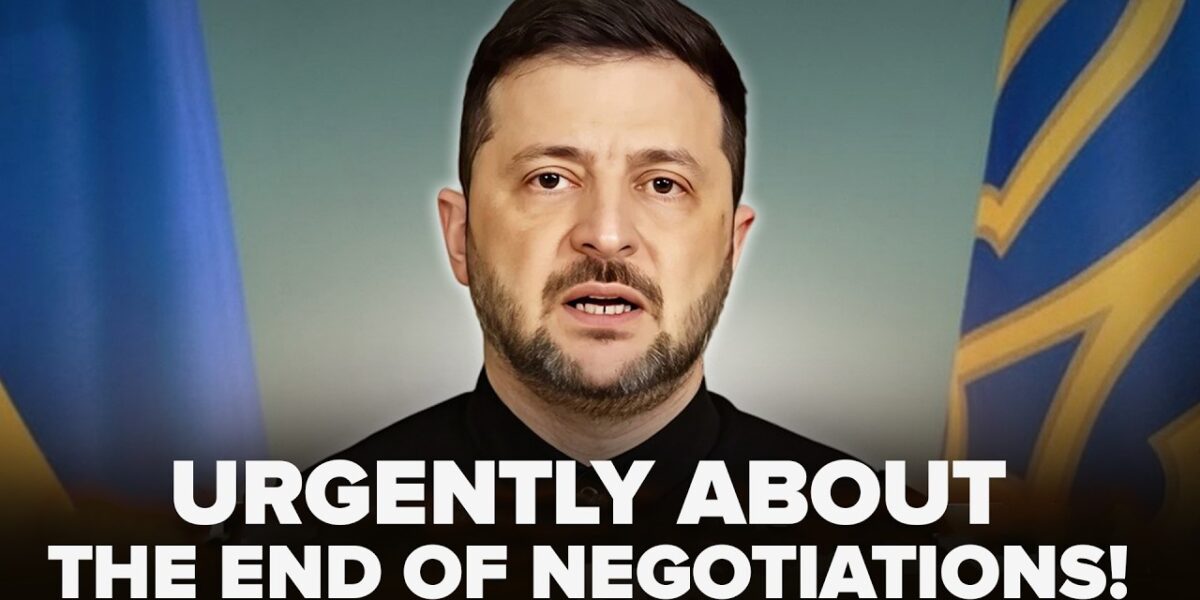
Zelenskyy’s Urgent Address: Forging National Resilience, Advancing Diplomacy, and Crushing Crime Amidst War
KYIV, UKRAINE – In a pivotal address delivered from Kyiv, Ukrainian President Volodymyr Zelenskyy outlined a multi-faceted national strategy, emphasizing enhanced regional governance, critical diplomatic engagements, and a robust crackdown on organized crime. The President’s remarks underscored Ukraine’s unwavering resolve to strengthen internal resilience, navigate complex international negotiations, and maintain law and order, even as the nation endures the relentless challenges of a full-scale invasion.
Zelenskyy’s update touched upon three primary pillars: the launch of a new, decentralized approach to regional governance aimed at leveraging local expertise; the imminent return and strategic meeting with Ukraine’s negotiating team to chart future diplomatic courses; and a significant, large-scale operation by the National Police against organized crime. Furthermore, the President extended heartfelt gratitude to the National Guard and police officers, recognizing their bravery and dedication on both the front lines and in civilian areas under attack.
Reinforcing Local Resilience: A New Paradigm for Wartime Governance
One of the most significant announcements from President Zelenskyy’s address was the initiation of a novel framework for collaboration between central and regional authorities, directly involving local communities. This strategic move aims to harness the practical experience gained at the grassroots level, particularly in navigating the hardships of wartime winters, post-strike recovery, and the protection of vital infrastructure. The President highlighted the necessity of integrating these localized successes into broader national policies, signaling a profound commitment to decentralization and community empowerment.
Empowering Communities from the Ground Up
Ukraine’s journey towards decentralization began long before the full-scale invasion, aiming to empower local self-governance and move decision-making closer to the people. The war, however, has dramatically accelerated the need for agile and effective local leadership. Communities across Ukraine have found themselves on the front lines, not just militarily, but also in terms of humanitarian response, infrastructure repair, and maintaining social cohesion under extreme duress. Their ability to adapt, innovate, and rebuild in the face of constant threats has become a crucial element of national survival.
Zelenskyy emphasized that this new format is designed to “use all the real experience of our Ukrainian communities for more effective national solutions.” This means identifying successful strategies employed by local administrations in areas such as providing shelter and heating points during winter, rapidly restoring services after missile strikes, and implementing robust safeguards for critical infrastructure like power grids, water supply, and communication networks. The President’s vision is to scale up these proven methods, ensuring that best practices developed out of necessity in one region can benefit the entire nation.
The challenges faced by Ukrainian communities are immense. From the initial shock of invasion to ongoing shelling, occupation, and the deliberate targeting of civilian infrastructure, local administrations have been forced to become first responders, emergency managers, and community organizers all at once. Their experiences offer invaluable lessons in resilience, resourcefulness, and community-led recovery. By formally integrating these lessons into national policy, Kyiv aims to build a more robust and adaptable state apparatus, capable of responding to both immediate crises and long-term reconstruction needs.
The Blueprint for National Solutions
To facilitate this ambitious undertaking, President Zelenskyy announced that Prime Minister Denys Shmyhal (referred to as Julius Firidenko in the transcript, likely a transcription error for Denys Shmyhal) would oversee the establishment of a dedicated coordination center. This center will involve a wide array of necessary officials, including representatives from the Office of the President and strong regional leaders. The President specifically mentioned his detailed discussion with Ivan Fedorov, the head of the Zaporizhzhia regional administration, as an example of the kind of collaboration envisioned. Zaporizhzhia, a region that has endured significant military pressure and humanitarian challenges, offers a wealth of practical experience in wartime governance and resilience building.
The coordination center will serve as a hub for collecting, analyzing, and disseminating best practices. It will identify gaps in current national responses and propose innovative solutions derived from local successes. This top-down, bottom-up approach seeks to create a synergy where national resources and strategic guidance meet localized understanding and tactical ingenuity. The goal is not just to survive the war but to emerge stronger, with a more efficient and responsive governance structure that can effectively address future challenges, whether they are conflict-related or otherwise.
This initiative also reflects an understanding that national unity is not merely a matter of shared purpose but also of shared practical knowledge. By valuing and elevating the experiences of communities, the government reinforces the idea that every part of Ukraine contributes actively to the national effort, fostering a deeper sense of collective ownership and responsibility for the country’s future.
Decentralization in Practice: A Wartime Imperative
The formalization of this regional work underscores the unique evolution of Ukrainian governance during the war. Prior to the full-scale invasion, decentralization was a key reform agenda, aimed at strengthening local self-government and reducing the historically centralized power structures. The war has, paradoxically, both tested and proven the efficacy of this approach. Local administrations, often cut off from central support in the initial chaos of the invasion, were forced to take immediate charge of their communities’ survival, demonstrating remarkable autonomy and resourcefulness.
This new coordination framework represents an institutionalization of these wartime lessons. It acknowledges that effective governance in a conflict zone requires a flexible, adaptive, and deeply localized approach. By scaling up successful community strategies, Ukraine is not only enhancing its immediate resilience but also laying the groundwork for a more robust and responsive administrative system for the post-war era. This could involve, for instance, standardized protocols for rapid infrastructure repair, community-based early warning systems, or models for integrating displaced persons into new communities, all informed by the lived experiences of those directly affected by the conflict.
In essence, President Zelenskyy’s announcement signifies a strategic pivot towards embedding local knowledge and resilience into the very fabric of national policy-making. It is a recognition that the strength of Ukraine lies not just in its military or its central government, but in the collective ingenuity and endurance of its people and their local leaders.
High-Stakes Diplomacy: Charting Ukraine’s Future at the Negotiating Table
The President’s address also cast a spotlight on Ukraine’s delicate and critical diplomatic efforts. Zelenskyy announced the imminent return of the entire Ukrainian negotiating team to Kyiv, where a special in-person meeting has been scheduled to discuss “our next steps and our decisions.” This gathering is crucial for defining the future framework of dialogue with key international partners, including the American and European sides, as well as with the Russian side.
The Critical Return of the Negotiating Team
The decision to convene the negotiating team in Kyiv for an in-person meeting signals the gravity and sensitivity of the discussions. Zelenskyy explicitly stated that the meeting would cover “those aspects of the talks that shouldn’t be discussed by phone,” implying complex, confidential, and potentially high-stakes details that require direct, face-to-face deliberation. This approach underscores the strategic importance of internal consensus and coordination before engaging with external parties.
Ukrainian diplomacy has been a cornerstone of its defense since the full-scale invasion, working to secure military aid, financial support, and political solidarity from allies. The negotiating team’s mandate is broad, encompassing not only potential peace frameworks with Russia but also security guarantees, post-war reconstruction, and Ukraine’s integration into Euro-Atlantic structures. The discussions in Kyiv will likely involve reviewing the outcomes of recent engagements, assessing the current geopolitical landscape, and formulating a cohesive strategy for upcoming diplomatic initiatives.
The team’s return from international engagements, potentially including discussions or consultations held in Switzerland, indicates a phase of internal consolidation. This period allows for a comprehensive debriefing, a thorough analysis of all available information, and a collective decision-making process that ensures Ukraine’s diplomatic posture remains unified, strong, and aligned with national interests. The emphasis on an in-person meeting suggests that the issues at hand are too intricate for remote communication, requiring the full scope of non-verbal cues and immediate feedback that only direct interaction can provide.
Navigating the Complexities of Multi-Lateral Dialogue
Zelenskyy explicitly mentioned defining the “next framework for our dialogue with our partners with the American side, with the Europeans and with the Russian side.” This tripartite approach highlights the multi-layered complexity of Ukraine’s diplomatic challenges. Engagement with the American side typically involves discussions on military aid, intelligence sharing, and broader strategic alignment, given the United States’ role as Ukraine’s most significant security partner.
Dialogue with the Europeans is equally vital, encompassing support from the European Union as a bloc, as well as individual European nations. This includes financial assistance, humanitarian aid, sanctions against Russia, and crucially, Ukraine’s path towards EU membership. The President’s specific mention that “it is important that Europeans were present in Switzerland” and that “Europe’s positions are taken into account” indicates a strong desire for a unified Western front and recognition of Europe’s significant stake in the conflict’s outcome. This ensures that any future peace process or security arrangement has broad international backing and legitimacy.
Engaging with the Russian side remains the most contentious and challenging aspect of Ukraine’s diplomatic efforts. While direct peace talks have largely stalled since the early months of the invasion, Ukraine maintains a readiness to engage when conditions are right and on its own terms. Any future dialogue with Russia would invariably focus on fundamental issues of sovereignty, territorial integrity, and the cessation of hostilities, underpinned by Ukraine’s unwavering demand for a just and lasting peace.
European Alignment: A Cornerstone of Ukraine’s Diplomatic Strategy
The President’s emphasis on European involvement and the consideration of Europe’s positions is a crucial point. It reflects Ukraine’s deep commitment to its European integration aspirations and the understanding that a unified European stance strengthens Ukraine’s hand in any negotiations. European countries, individually and collectively through the EU, have provided unprecedented support to Ukraine, both militarily and economically, and have a vested interest in the security and stability of the continent.
By ensuring European presence and input in critical discussions, Ukraine seeks to build a broad international coalition that can exert maximum pressure on Russia and provide robust guarantees for Ukraine’s future security. This coordinated approach is essential to prevent any fragmentation of international support and to present a united front against Russian aggression. Zelenskyy’s gratitude to the delegation members for their “strict compliance with the directives during the negotiations” further underscores the importance of a disciplined, confident, and coordinated diplomatic voice that speaks with strength and unity, reflecting the collective will of the Ukrainian nation.
The upcoming meeting in Kyiv will therefore be a defining moment, shaping Ukraine’s diplomatic trajectory in the months to come. It will determine how Ukraine continues to balance its immediate wartime needs with its long-term strategic goals, all while navigating the complex web of international alliances and adversarial relationships.
Upholding Law and Order: A Major Blow Against Organized Crime
President Zelenskyy’s address also highlighted a significant victory on the home front: a large-scale operation by the National Police against organized crime. This robust action, detailed by Minister Ihor Klymenko, demonstrates Ukraine’s commitment to maintaining internal stability and the rule of law, even amidst the chaos of war.
The Scale of the Operation: A Testament to Internal Security
The statistics provided by the President were striking: “more than 500 searches, detained nearly 100 people, dismantled 34 drug laboratories and seven dozen storage sites.” These figures indicate an operation of considerable scale and complexity, targeting a deeply entrenched criminal network. The sheer number of searches suggests extensive intelligence gathering and planning, culminating in a coordinated nationwide sweep.
Organized crime, particularly drug trafficking, often thrives in environments of instability and conflict. Criminal elements exploit weakened state institutions, disrupted supply chains, and the general focus of law enforcement on wartime priorities. The success of this operation sends a clear message that Ukraine’s internal security apparatus remains vigilant and effective, capable of addressing serious criminal threats despite the ongoing war.
Dismantling 34 drug laboratories is a particularly significant achievement. Drug production facilities represent the heart of drug trafficking operations, supplying illicit substances that fuel addiction, generate illegal profits, and often contribute to other forms of crime. Their destruction severely cripples the ability of criminal organizations to operate and generate revenue. Similarly, the discovery of “seven dozen storage sites” points to a sophisticated logistics network, indicating that the operation successfully disrupted a significant portion of the illicit drug trade infrastructure.
Multi-Agency Cooperation and International Support
President Zelenskyy extended his gratitude not only to the National Police but also to other crucial institutions and services that contributed to the operation: “the Security Service of Ukraine, the prosecutor’s office and other state bodies as well as our foreign partners who were involved.” This multi-agency cooperation is vital for tackling organized crime effectively. The Security Service of Ukraine (SBU) often plays a key role in intelligence gathering and counter-espionage, while the prosecutor’s office ensures the legal integrity of the investigations and subsequent prosecutions.
The involvement of “foreign partners” is also noteworthy. Transnational organized crime, especially drug trafficking, often has international dimensions, requiring cross-border cooperation and intelligence sharing. This collaboration underscores the global commitment to combating such illicit activities and highlights the trust and partnership between Ukraine’s law enforcement agencies and their international counterparts. It suggests that the criminal networks targeted may have had international links, and disrupting them required a concerted effort beyond Ukraine’s borders.
Such operations are crucial for maintaining public trust in state institutions and demonstrating the government’s capacity to protect its citizens from internal threats. In a time of war, internal stability is as important as military defense. A strong rule of law and effective crime prevention contribute directly to national resilience, preventing internal decay that could otherwise undermine the war effort.
Combating Crime in Wartime: A Foundation for Stability
The fight against organized crime in wartime is not merely a matter of law enforcement; it is a strategic imperative. Illicit financial flows from drug trafficking and other criminal activities can be used to fund destabilizing elements, including those that might indirectly or directly support the aggressor. By weakening criminal networks, Ukraine strengthens its own internal security and reduces potential vulnerabilities.
Moreover, the success of such a large-scale operation boosts the morale of law enforcement personnel and reinforces the public’s confidence in the state’s ability to protect its citizens. This is particularly important when resources are stretched thin by the war and public anxiety is high. The National Police’s ability to conduct such a comprehensive operation under these circumstances speaks volumes about their professionalism and dedication. It serves as a reminder that even as Ukraine fights for its very existence on the battlefield, the essential functions of state governance and law enforcement continue, ensuring stability and justice on the home front.
Honoring the Heroes: National Guard and Police on the Front Lines and Home Front
President Zelenskyy concluded his address with a profound expression of gratitude and recognition for the bravery and dedication of Ukraine’s National Guard members and police officers. His words highlighted their indispensable roles, both in direct combat on the front lines and in providing vital protection and assistance to civilians enduring Russian strikes.
The Unwavering Courage of the National Guard
The President specifically recognized the “National Guard members who together with all our warriors defend our state and Ukraine’s independence on the front line.” He singled out the “Warriors of the Special Operations Center ‘Omega’ of the National Guard of Ukraine,” commending them for their “courage and for your coordinated actions.” The mention of Omega, a highly skilled and specialized unit, underscores the critical nature of their missions.
Zelenskyy noted that these units are carrying out missions “in key areas of the front, including the Pokrovsk direction.” Pokrovsk, located in the Donetsk region, has been a focal point of intense fighting, making the National Guard’s presence there strategically vital. The President further clarified that their tasks extend beyond mere defense, encompassing “active strike and search operations.” This indicates that National Guard units are not just holding positions but are actively engaging the enemy, conducting offensive maneuvers, and gathering intelligence, demonstrating their versatility and combat effectiveness.
The National Guard of Ukraine serves a dual function: internal security and combat operations. Since the full-scale invasion, many of its units have been fully integrated into the broader defense forces, fighting alongside the Armed Forces of Ukraine. Their recognition by the President serves to highlight their significant contributions to the war effort, often in highly dangerous and demanding conditions. It reinforces the idea that Ukraine’s defense is a collective effort, drawing on the strengths of various military and paramilitary formations.
First Responders Amidst the Rubble: The Police’s Indispensable Role
Equally poignant was Zelenskyy’s recognition of the police officers serving in communities and cities across the country. He lauded them as “the first to arrive at the scene after Russian strikes and together with rescuers protect lives, help people, and have shown themselves at their very best in these days and weeks.” This acknowledgment highlights the perilous and often heroic work of civilian law enforcement in a war zone.
Ukrainian police officers face unique challenges. They are not only tasked with maintaining law and order but also with responding to the immediate aftermath of missile and drone attacks. This includes rescuing trapped civilians, providing first aid, securing damaged sites, documenting war crimes, and offering psychological support to traumatized populations. Their presence is a crucial source of reassurance and stability for communities under constant threat.
The President’s detailed list of names and ranks from various regions—Kyiv, Kharkiv, Chernihiv, Zaporizhzhia, Dnipro, Kryvyi Rih, Kramatorsk, Mykolaiv, Odesa—underscores the nationwide impact of Russian aggression and the pervasive dedication of police officers across Ukraine. From captains and corporals to senior psychologists, these individuals represent the human face of resilience and service. Their work involves immense personal risk, often rushing into danger zones while others seek shelter, and enduring the psychological toll of witnessing widespread destruction and suffering.
The inclusion of psychologists among those recognized is particularly insightful, highlighting the critical importance of mental health support for both victims and first responders in a war-torn country. These officers are not just enforcers of the law; they are caregivers, counselors, and pillars of their communities.
A Nation’s Gratitude: Individual Recognition as a Moral Boost
By publicly naming these individuals, President Zelenskyy not only honors their specific acts of courage but also sends a powerful message of gratitude to all security personnel. Such recognition is vital for boosting morale, reinforcing a sense of purpose, and demonstrating that their sacrifices are seen and appreciated by the highest levels of government and the nation as a whole. In the context of a protracted and brutal war, maintaining high morale among those who serve is paramount.
The President’s concluding remarks, “I thank everyone who is in Ukraine, who stands with Ukraine, who defends our state and our positions, who protects our people. Glory to Ukraine,” encapsulated the spirit of national unity and collective resilience that underpins Ukraine’s resistance. It is a powerful affirmation that every citizen, in their respective role, contributes to the ultimate victory and the preservation of Ukraine’s independence and freedom.
Conclusion: A Unified Front for Ukraine’s Future
President Zelenskyy’s address painted a comprehensive picture of a nation actively engaged on multiple fronts: strengthening its internal governance, navigating complex diplomatic pathways, securing its home front from crime, and honoring the selfless service of its defenders. The emphasis on leveraging local experience, ensuring coordinated diplomatic efforts, and upholding law and order, all while recognizing individual heroism, underscores Ukraine’s strategic vision for both immediate survival and long-term prosperity.
By empowering communities, engaging in high-stakes diplomacy with a unified voice, and demonstrating an unyielding commitment to justice and security, Ukraine continues to build a resilient and formidable defense against aggression. These efforts, driven by the courage and unity of its people, are not merely reactions to conflict but proactive steps towards shaping a sovereign, stable, and European future for the nation.
Source: ⚡️IMMEDIATE ADDRESS by Zelenskyy! BREAKING from Geneva. Emergency CHANGES (YouTube)

Related Articles
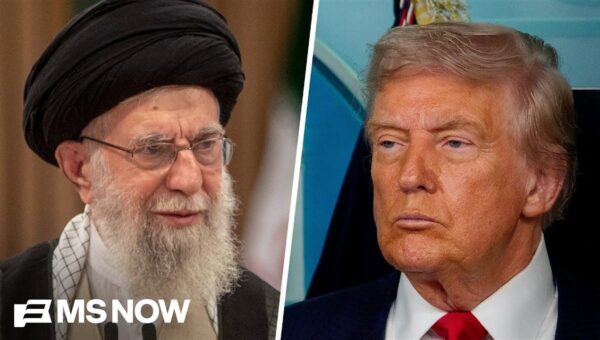
US Strikes Iran: What’s Next for Trump’s Regime Change Strategy?
The U.S. has launched significant strikes against Iran, targeting its leadership and military capabilities. While President Trump claims progress, experts question the long-term strategy, potential diplomatic engagement, and support for the Iranian people amidst a leadership vacuum.

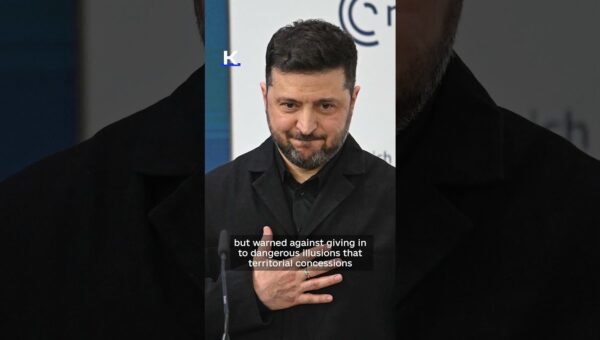
Europe Faces Post-Cold War Order Collapse After Munich Security Summit
Western leaders at the Munich Security Conference acknowledged the end of the post-Cold War security order, raising concerns for Europe's future. Ukrainian President Zelenskyy urged continued support against territorial concessions, while transatlantic tensions underscored the shifting geopolitical landscape.

Trump’s Putin Stance: US Strategy and Global Implications
Analysis suggests Donald Trump's approach to the Ukraine war involves pressuring Kyiv, but US involvement is crucial for resolution. China's influence and the 'MAGA' agenda's geopolitical implications are key factors.