Zelenskyy Urges Trump-Starmer Peace Talks Amid Global Turmoil
Ukrainian President Zelenskyy has called for a meeting between Donald Trump and Keir Starmer to foster Western unity amid escalating global conflicts. The push for peace talks comes as the U.S. focus shifts to the Middle East, impacting oil markets and delaying negotiations with Russia. A broader U.S. strategy may involve using Russia's economic recovery to counter China.

Zelenskyy Urges Trump-Starmer Peace Talks Amid Global Turmoil
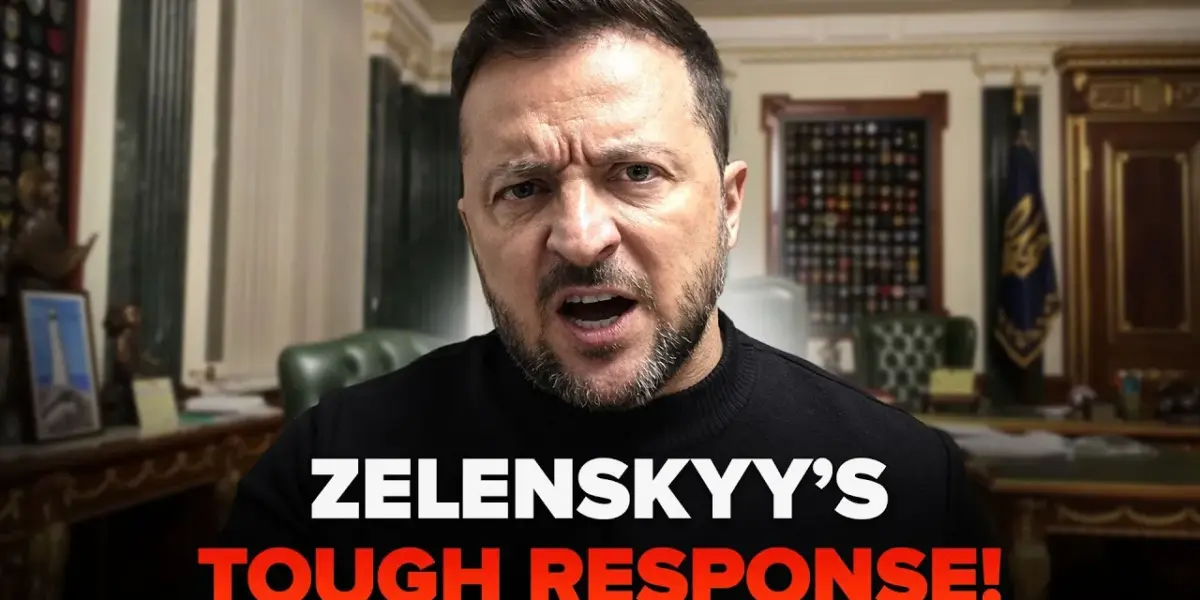
Ukrainian President Volodymyr Zelenskyy has called for a direct meeting between former U.S. President Donald Trump and British Prime Minister Keir Starmer. The goal is to foster a unified Western stance on global conflicts. This plea comes amidst escalating international tensions, particularly the U.S. and Israeli military operations against Iran. These actions have significantly impacted global oil markets and complicated ongoing peace negotiations. Zelenskyy expressed concern over a potential split among Western allies. He warned of negative consequences for Ukraine if this division deepens. The Ukrainian leader believes a united front is crucial for navigating complex geopolitical challenges.
Diplomatic Rift and Calls for Unity
Zelenskyy’s appeal follows recent criticisms from Trump directed at Starmer. Trump stated that while he views Starmer as a good person, he is disappointed in his leadership. Starmer, however, has maintained that Britain will not be drawn into a wider conflict. He also affirmed the strong relationship between the U.S. and the UK. Zelenskyy’s proposal for a Trump-Starmer meeting aims to bridge these perceived divides. He emphasized the need for common ground to ensure a coherent international response. The Ukrainian president fears that internal disagreements among allies could weaken their collective ability to address pressing global crises.
Middle East Conflict’s Ripple Effect
The military engagement in the Middle East has had far-reaching consequences. It led to Iran effectively blocking the Strait of Hormuz, a vital shipping lane. Approximately 20% of the world’s oil supply passes through this strait. The blockade caused oil prices to surge sharply. Trump reportedly sought international cooperation, including from Europe and China, to resolve the issue. However, France and Germany, among others, reportedly refused his requests. Trump characterized this refusal as a significant error. He suggested that the U.S. might need to reconsider its NATO membership in light of this. The conflict has also shifted U.S. diplomatic focus away from Ukraine.
Peace Talks Stalled by Middle East Focus
President Zelenskyy indicated that peace negotiations with Russia are being delayed. He linked this directly to the heightened focus on the Middle East. In an interview with the BBC, he stated that diplomatic and trilateral meetings have been postponed. The primary reason cited is the ongoing war in Iran. Zelenskyy expressed a “very bad premonition” about the impact of these delays on Ukraine’s situation. Despite these setbacks, he confirmed that negotiating teams remain in daily communication. The U.S. proposed hosting negotiations on Ukraine on its territory, a move Kyiv accepted. However, Russia has reportedly opposed holding talks in the United States. Ukraine has stated its willingness to meet at any date or location, as long as it is not in Russia.
U.S. Strategy: Countering China
Reports suggest a strategic U.S. objective behind its approach to the Ukraine conflict. The Trump administration reportedly aims to encourage Russia’s economic recovery and integration with Western investment. The ultimate goal is to shift the global balance of power away from China. This strategy, though potentially concerning for Ukraine, reflects a conviction that China poses the greatest geopolitical threat. The U.S. administration believes that aligning more closely with Russia could create a favorable power dynamic against China. This approach has not been previously reported. However, observers question its viability, particularly while Russian President Vladimir Putin and Chinese leader Xi Jinping remain in power.
Economic Incentives and Ukrainian Concerns
The idea of offering Russia economic incentives to improve relations with the U.S. has raised concerns in Ukraine. Ukrainian officials recalled past attempts at similar policies, citing Germany’s Ostpolitik as an example. They argue that such approaches have not yielded lasting peace and have, in some cases, emboldened Russia. Ukrainian officials also noted a shared sentiment between Russia and China: a strong dislike for the U.S. as a symbol of democracy. This shared animosity is seen as a significant factor in their relationship.
Global Oil Markets and Cuba’s Energy Crisis
The U.S. and Israeli operations against Iran have disrupted China’s oil import capabilities. Iran supplied over 13% of China’s oil in 2025. A Trump administration official confirmed that China had been acquiring oil from countries like Venezuela, Iran, and Russia at below-market prices. These purchases have effectively subsidized China’s consumption by over $100 billion annually for several years. Meanwhile, Cuba recently restored electricity nationwide after a significant blackout. The country’s largest oil-fired power plant was brought back online. This followed a nationwide power outage that lasted over 29 hours. The blackout was reportedly an attempt to cut off oil supplies to the island. Despite the restoration, officials warned that electricity shortages might persist due to insufficient power generation. Cuba heavily relies on oil imports for electricity production.
U.S.-Cuba Tensions Escalate
U.S. President Donald Trump has intensified rhetoric towards Cuba. He stated that he could take any action he deemed necessary regarding the island nation. A U.S. State Department spokesperson blamed the Cuban government for the energy system’s collapse. They called the blackout a symptom of governmental incompetence. Cuban President Miguel Díaz-Canel criticized Washington’s actions. He condemned what he described as near-daily threats from the U.S. Díaz-Canel accused the U.S. of intending to seize Cuba’s resources and economy. He stated their goal was to force surrender through suffocation. Recently, Díaz-Canel confirmed that Cuba is negotiating with the U.S. These talks occur amid an economic crisis and increased political pressure from the Trump administration. Trump himself indicated that an agreement with Cuba could be reached soon.
Russia’s Support for Cuba Amidst U.S. Pressure
Amidst the energy crisis and U.S. pressure, Russia reportedly sent a tanker to Cuba. The vessel carried over 700,000 barrels of oil. This occurred at a time when Cuba had been experiencing fuel supply issues for three months. The U.S. State Department has instructed diplomatic missions worldwide to conduct urgent security assessments. This directive follows Iran’s strikes and the potential for spillover effects. The order, signed by Secretary of State Antony Blinken, requires all embassies to form emergency committees. These committees are tasked with identifying threats and reviewing action plans. This is the first time such a directive has been issued to all U.S. missions globally amid the conflict in Iran. Previous similar instructions were limited to missions in the Middle East. The State Department declined detailed comment but noted that such assessments are standard risk management procedures.
Attacks on U.S. Diplomatic Missions
Since the commencement of U.S.-Israeli military operations on February 28th, several U.S. diplomatic missions have reportedly faced attacks. In Saudi Arabia, the embassy in Riyadh sustained partial damage from a drone strike. This led to the State Department ordering the departure of some staff. In Kuwait, a column of black smoke was observed near the U.S. embassy following Iranian-backed attacks. Baghdad also saw attacks on the U.S. embassy on the night of March 18th, involving drones and missiles. In Israel, a missile warhead reportedly hit a residential building housing American diplomats.
Source: Zelenskyy addressed Trump! Starmer didn’t expect such a statement. Kremlin will be forced into peace (YouTube)

Related Articles
G7 Allies Clash Over Iran War Strategy, Urge Focus on Russia
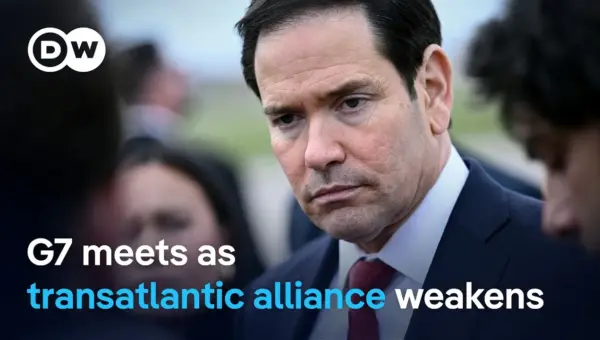
G7 foreign ministers met in Paris, revealing deep divisions over the U.S. war with Iran. European allies urged the U.S. to pressure Russia, linking its actions to the conflict and fearing support for Ukraine will wane.
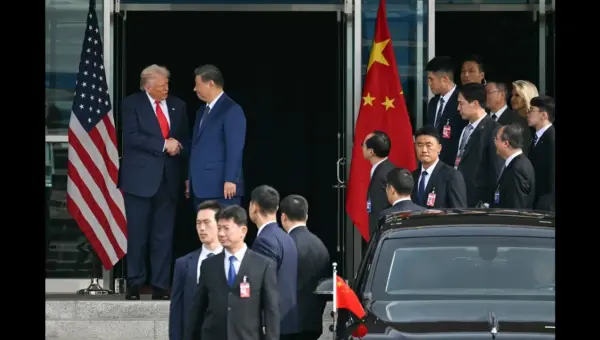
Trump’s “Walk Away” Tactic Signals Tougher Stance on China
Retired Air Force Brigadier General David Stillwell believes President Trump's strategy of being willing to walk away from negotiations puts pressure on China. This tactic, combined with US global actions and strengthened alliances, signals a more assertive American foreign policy.


Israelis Forge Resilience Amidst Constant Bomb Shelter Drills
Life in Israel is a blend of resilience and constant vigilance, with many families adapting to frequent bomb shelter drills and even sleeping in makeshift shelters. Despite ongoing missile attacks, Israelis strive to maintain normalcy, though businesses face disruption and emotional fatigue is a growing concern.