Zelenskyy, EU Leaders Tackle War’s Tough Questions
Ukrainian President Volodymyr Zelenskyy and EU leaders addressed pressing questions on the war's future, Ukraine's EU accession, and international support. Leaders affirmed Ukraine's path to the EU and highlighted progress on financial aid and peace talks amidst ongoing challenges.

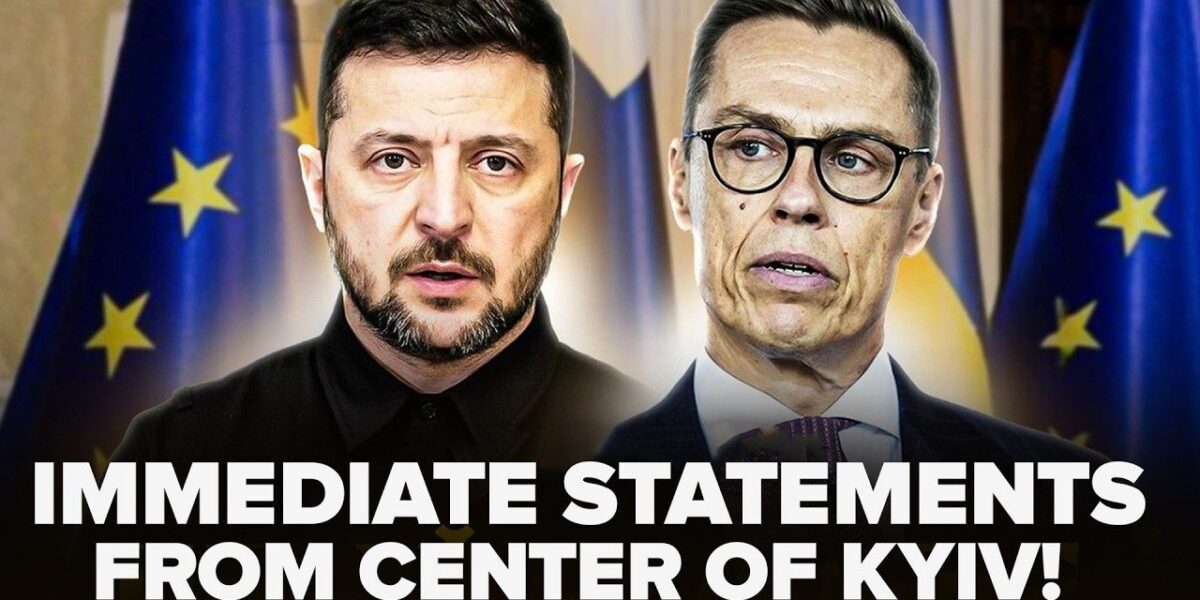
Zelenskyy and EU Leaders Address Press on War’s Future and Ukraine’s EU Aspirations
KYIV, UKRAINE – Ukrainian President Volodymyr Zelenskyy, alongside several European Union leaders, faced a barrage of challenging questions from international journalists regarding the ongoing war with Russia, Ukraine’s potential EU accession, and the dynamics of international support. The press conference, held in an undisclosed location, provided critical insights into the strategic discussions and the unwavering resolve of Ukraine and its European allies.
Potential End to War and US Influence
Amidst reports that former US President Donald Trump desires to conclude the war by July 4th, President Zelenskyy addressed the possibility of meeting with Russian President Vladimir Putin before this deadline. “I can only support this initiative,” Zelenskyy stated regarding the wish to end the war, though he noted that information changes rapidly and this specific detail was new to him. He confirmed that Ukraine and the US have consistently raised the need to finalize the conflict swiftly during previous negotiations, including those in Abu Dhabi and Switzerland. Zelenskyy emphasized that Ukraine’s support for a rapid conclusion is not contingent on ceding territory. “It’s not about fast track connected with giving away part of our territories,” he clarified.
Ukraine’s EU Accession on the Horizon?
The prospect of Ukraine joining the European Union by 2027 was a key topic, with Estonian Prime Minister Kaja Kallas offering a definitive response. “Absolutely. Yes,” she affirmed when asked if Ukraine’s accession by 2027 is possible. Kallas praised Ukraine’s efforts, noting that significant reforms have been undertaken even amidst constant Russian attacks. “Ukraine has changed to come to EU,” she stated, expressing admiration for President Zelenskyy and the Ukrainian people. She added that EU enlargement would not only benefit Ukraine but also strengthen the Union itself, providing essential security guarantees for all member states.
EU Support and Financial Aid Challenges
Addressing concerns about the perceived slowness of EU action, particularly regarding financial aid, President Zelenskyy acknowledged the difficulties but expressed gratitude for the eventual decision on €90 billion in support. He highlighted the unity required among allies to pass such measures, noting that Hungary had previously blocked the aid. However, European Commission President Ursula von der Leyen assured him that instruments would be found to ensure Ukraine receives the first tranches of this funding in the spring. “She said that she will find instruments to provide this decision and Ukraine in spring will have this money first trans from this 90 billion,” Zelenskyy reported.
Maintaining Communication Channels and European Involvement
The question of re-establishing direct lines of communication with the Russian leadership was also raised. While not directly answering who should lead such efforts, the discussion underscored Europe’s increasing “skin in the game.” It was noted that peace negotiations are now being conducted more earnestly, with Europe now contributing financially to the war effort. The importance of coordinated European representation in any such dialogue was stressed, with the ultimate decision resting with President Zelenskyy.
Sanctions and the Role of Smaller Nations
Iceland’s consistent support for EU sanctions packages was praised, with a question posed about the impact of a 20th package not yet being ratified and how smaller nations can maximize their support. The Prime Minister of Iceland, while not framing the delay as a disappointment, emphasized that Europe is already doing an immense amount, and sanctions are significantly impacting Russia. President Zelenskyy, in response, highlighted the crucial importance of unity among all nations, including smaller ones like Iceland and Norway, and partners like Canada and Japan. He pointed out that even a single voice, such as Hungary’s, can cause significant disruption, underscoring the value of every ally’s steadfast support.
Peace Talks and Future Negotiations
Regarding ongoing peace talks, the Latvian Prime Minister stressed the need for careful engagement to avoid jeopardizing current negotiations between Ukraine and Russia, as well as those involving the US. He suggested that Europe could focus more on enhanced cooperation within its own institutions and explore avenues like trilateral agreements or coalitions of the willing to advance peace efforts. President Zelenskyy provided details on the latest meeting in Switzerland, highlighting progress on establishing a joint monitoring mission for a potential ceasefire, to be led by the United States. He also mentioned positive signals regarding a significant exchange of prisoners of war, with details to be discussed further in upcoming meetings. He expressed gratitude for the support of Nordic and Baltic partners, urging them to remain unwavering allies.
Personal Reflections on Leadership and Resilience
When asked about the personal transformation brought about by the war, President Zelenskyy described himself as a person focused solely on serious matters, acknowledging a lack of time for personal friendships. Other leaders present described him as resilient, wiser, and a tremendous example of leadership. The Swedish Prime Minister reflected on the lessons learned from Ukraine’s experience, emphasizing the importance of recognizing potential threats to other nations and the power of unified national mobilization in times of crisis. “When the worst things happen, you also with leadership can mobilize a lot from a country,” he observed.
Pressures from the US and the Principle of Sovereignty
In the final questions, President Zelenskyy addressed potential pressure from the Trump administration regarding ending the war. He stated that no information had been received about the US ceasing weapons supplies and expressed gratitude for the ongoing ability to purchase American weaponry. He reiterated that the core issues in negotiations, such as the status of the Zaporizhzhia nuclear power plant, are not primarily about money but about fundamental principles and territorial integrity. “It’s more not about money. It’s about principle things,” he asserted, underscoring Ukraine’s unwavering stance on its sovereignty.
Looking Ahead
The press conference concluded with a clear message of resilience and a unified front against Russian aggression. Key takeaways include Ukraine’s continued push for EU membership, the complex dynamics of international aid and negotiations, and the steadfast commitment of European allies. Future discussions will likely focus on solidifying financial and military support, advancing peace initiatives, and navigating the geopolitical pressures that continue to shape the conflict’s trajectory.
Source: ⚡️Zelenskyy and EU leaders answered TOUGH QUESTIONS about WAR! Journalists learned many details (YouTube)

Related Articles
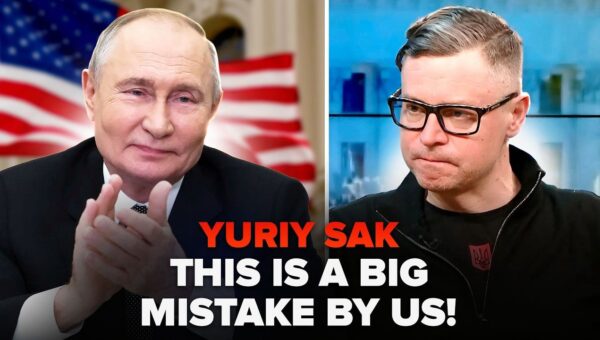
Trump’s Putin Stance: US Strategy and Global Implications
Analysis suggests Donald Trump's approach to the Ukraine war involves pressuring Kyiv, but US involvement is crucial for resolution. China's influence and the 'MAGA' agenda's geopolitical implications are key factors.

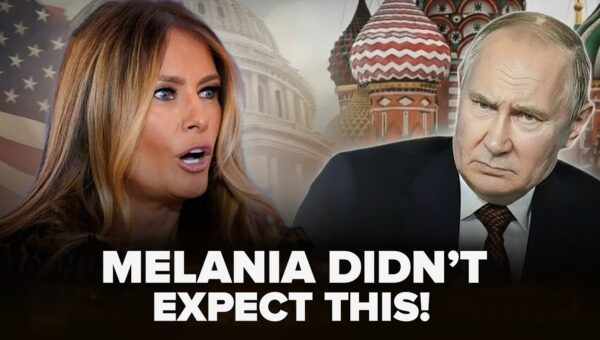
Melania Trump’s Quiet Diplomacy on Ukraine War
Former First Lady Melania Trump has emerged as an influential, though unofficial, voice on the Ukraine war, reportedly shaping her husband's perceptions and engaging directly on humanitarian issues like the deportation of Ukrainian children. Her advocacy, possibly influenced by her European background, has drawn international attention and sparked unique reactions, including widespread social media support from Ukrainians.

US Regime Change Efforts: A History of Tactical Wins, Strategic Losses
A comprehensive review of U.S. interventions reveals a consistent pattern: while the United States is adept at tactically removing foreign governments, achieving strategic success—the establishment of stable, legitimate political orders—has proven exceedingly difficult. Historical analysis points to unintended consequences and long-term instability as common outcomes.