Zelensky Warns of Escalating Russia-Iran Alliance, Global War Risk
Ukrainian President Volodymyr Zelensky warns of a dangerous escalation in the Russia-Iran military alliance, potentially leading to a global conflict. Meanwhile, Europe grapples with energy security and the Middle East conflict's economic fallout, while global oil markets face volatility due to disruptions in the Strait of Hormuz.


Zelensky Sounds Alarm on Russia-Iran Military Pact
Ukrainian President Volodymyr Zelensky has issued a stark warning regarding the deepening military alliance between Russia and Iran, asserting that the world is dangerously underestimating its potential for global escalation. In an exclusive interview with Irish journalist Kalin Robertson, Zelensky revealed that Moscow is actively supporting Tehran with critical military technology, including drones, missile systems, and air defense capabilities. He further expressed alarm at the possibility of other nations deploying troops to support the Iranian regime, drawing a parallel to the ongoing conflict in Ukraine where North Korea has reportedly sent thousands of soldiers to aid Russia.
Escalation Fears and Shifting Warfare
Zelensky cautioned that a similar scenario could unfold in the Middle East, with Russia potentially sending its own troops to Iran if the conflict continues to intensify. This warning comes as the ongoing conflict involving Iran, Israel, and the United States expands across the region. The Ukrainian president emphasized that the military cooperation between Moscow and Tehran has already begun to reshape modern warfare. He recalled Russia’s initial reliance on Iranian-designed drones during the full-scale invasion of Ukraine and highlighted the current reciprocal flow of technology and expertise.
“If the war immediately is not stopped by somebody and it mean that it can be long long war, it can be world war.”
“It could happen. Yeah, of course it can.”
“Yeah. Yeah. I think that it’s really very close to this. I don’t see short uh operations in Iran. I see now more globe challenges. I don’t see we will see if it will not stop uh before autumn. I think so that it will it will I mean this it will continue.”
Kremlin’s Ambiguous Response and Shifting Stance
The Kremlin, through spokesperson Dmitry Peskov, has largely refused to comment on reports of Russia sharing intelligence with Iran, stating only, “we do not comment on that.” Peskov also declined to confirm whether this issue was discussed during a recent phone call between Russian President Vladimir Putin and a US President, adding that the Kremlin had said all it intended to regarding the conversation.
Simultaneously, Moscow appears to be distancing itself from its previous negotiating positions on the war in Ukraine. The Kremlin now suggests that the “Yalta agreements” of 2022, which proposed Ukraine’s permanent neutrality and abandonment of NATO aspirations, no longer reflect the current reality. Peskov explained this shift by stating, “the reality has changed,” indicating a pattern of rewriting narratives when previous frameworks become inconvenient.
Europe’s Energy Dilemma and Strategic Direction
Amidst the escalating global tensions and turbulence in energy markets, European officials are strongly advising against a return to Russian energy supplies. European Commission President Ursula von der Leyen warned that re-engaging with Russian oil and gas would reintroduce dependence and vulnerability for Europe. While acknowledging the current pressure on households and businesses due to rising energy costs, Brussels insists that short-term relief measures should not derail the EU’s long-term energy strategy. The “Repower EU” strategy, launched after Russia’s invasion of Ukraine, aims to break dependence on Russian fossil fuels. Officials view returning to Russian energy as a strategic blunder that would weaken Europe’s position.
Romania’s Strategic Position and Middle East War Risk
Romania finds itself in a precarious position concerning the Middle East conflict, with discussions in Bucharest indicating a potential for the country to be drawn into the war. Reports suggest the United States has requested the deployment of additional aircraft and military assets to a key air base on Romania’s Black Sea coast. This raises concerns about Romania potentially becoming a direct conflict site if American aircraft launch combat missions against Iran from its territory. Military experts warn that Iran has threatened to target any country whose territory or airspace is used for attacks against it. Romania already hosts a significant US missile defense system, further intensifying the debate over its role as a logistical hub versus a potential direct participant in a new war.
German Concerns Over Middle East Conflict Endgame
German Chancellor Olaf Scholz has expressed growing unease about the potential endgame of the Middle East war. While Berlin shares many of the goals of the US and Israel in confronting Iran, Scholz admitted that the lack of a clear plan for ending the conflict is a significant concern for Germany and Europe. He warned that protracted and chaotic warfare could lead to state structure collapses, similar to scenarios in Libya or Iraq, posing serious risks globally. Despite the energy market disruptions, Germany remains steadfast in its support for Ukraine and its sanctions against Russia, emphasizing solidarity over short-term economic relief.
EU Financial Support for Ukraine and Russian Intelligence Threats
Despite potential vetoes from Hungary and Slovakia, Ukraine is likely to receive billions of euros in financial aid from the European Union. Northern and Baltic EU countries are reportedly prepared to provide approximately 30 billion euros through bilateral loans, circumventing the need for unanimous approval. This alternative plan aims to ensure Ukraine’s financial stability in the coming months, even if the larger 90 billion euro package faces continued opposition. Meanwhile, Finnish intelligence has warned that Russian intelligence activities across Europe could surge once the war in Ukraine concludes, with Moscow potentially redirecting resources towards influence campaigns, cyber operations, and sabotage.
War of Attrition and Global Economic Impact
The conflict involving Iran, Israel, and the United States is increasingly characterized as a war of attrition, with energy markets being a critical battleground. Iran’s actions targeting oil infrastructure in Gulf States and threatening maritime traffic in the Strait of Hormuz, through which a significant portion of global oil and gas passes, have sent shockwaves through international markets. Oil prices have surged, and shipping routes are under pressure. This strategy aims to exert pressure on Israel and the United States to cease their military operations.
Internally, the Iranian regime is reportedly facing significant fragility, exacerbated by speculation about instability following the death of Ayatollah Ali Khamenei and the limited public appearances of his successor. Despite these pressures, Iran continues its ballistic missile attacks on Israel, causing disruptions and forcing Israelis to seek shelter.
“The Revolutionary Guard in Iran, which maintains its ballistic missile arsenal, is continuing to launch attacks on Israel. And those attacks, though the number of missiles have gone down, continue to have Israelis scrambling for bomb shelters and disrupting life in that part of the world. So all this together shows that it’s become a war of attrition. And it likely is that whoever lasts the longest is going to be the one that ends up being the victor, but there’s a lot of variables still remaining and it remains unclear just who will yield first.”
North Korea’s Strategic Missile Tests Amidst Regional Tensions
North Korea has further heightened global tensions with the testing of strategic cruise missiles launched from a naval destroyer, overseen by Kim Jong Un and his teenage daughter, who is widely believed to be a potential successor. These tests, conducted concurrently with joint military drills between the United States and South Korea, underscore North Korea’s continued reliance on its missile and nuclear arsenal as its primary tools of power and deterrence.
Oil Market Volatility and Strait of Hormuz Uncertainty
Global oil markets are experiencing significant volatility, with prices plummeting due to confusion surrounding the Strait of Hormuz. Reports of US Navy escorts for tankers were initially circulated but later denied by the White House, creating widespread uncertainty. Disruptions to tanker traffic through the strait, a vital artery for global oil supply, have led some Gulf producers to cut output. The fluctuating oil prices reflect the market’s struggle to ascertain the future security and operational status of this critical waterway.
Source: ⚡️Zelensky blasted Putin! British journalist’s question blew up internet. Kremlin reacted (YouTube)

Related Articles
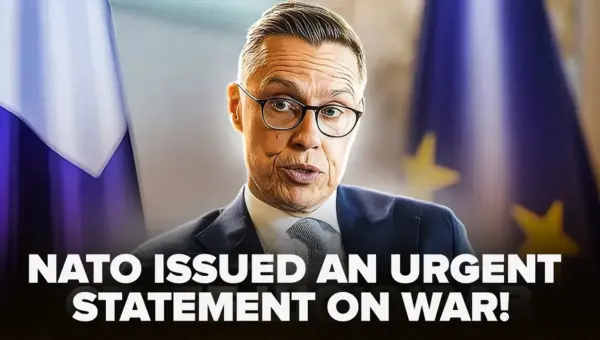
Ukraine Strikes Russian Oil Refinery, Eyes Iran Threat
Ukrainian forces struck a key Russian oil refinery, disrupting Moscow's war capabilities. Meanwhile, Finland's president urged continued U.S. support for Ukraine, as Kyiv shares its air defense expertise globally amid growing geopolitical complexities involving Iran and potential sanctions against Hungary.

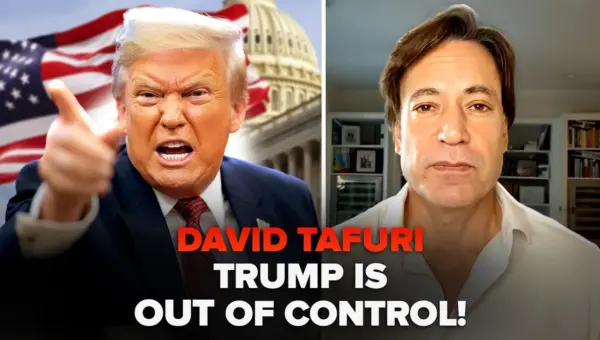
Trump Halts Iran Strikes Amid Stalled Diplomacy
President Trump announced a pause on planned strikes against Iran, citing productive talks, though Iran denies negotiations occurred. Reports also suggest a potential U.S. ground operation on Iran's Hark Island. The situation raises concerns about international support for Ukraine and potential shifts in U.S. foreign policy.

Iran’s Missile Threat Reduced by 90%, Analyst Says
An analyst reports that Operation Epic Fury has degraded Iran's missile launchers by 90%, despite challenges in targeting hidden sites. The conflict's duration and media coverage are also discussed, with implications for global energy markets and investor confidence.