Zelensky Cites Ukraine’s Leverage as Storm Shadow Missiles Hit Russian Plant
Ukrainian President Zelensky highlighted Ukraine's growing global leverage, citing US reliance on Kyiv for Middle East assistance. This comes as Storm Shadow missiles struck a key Russian microelectronics plant, vital for advanced weapons production. Zelensky also warned of the world's unreadiness for a potential World War III.

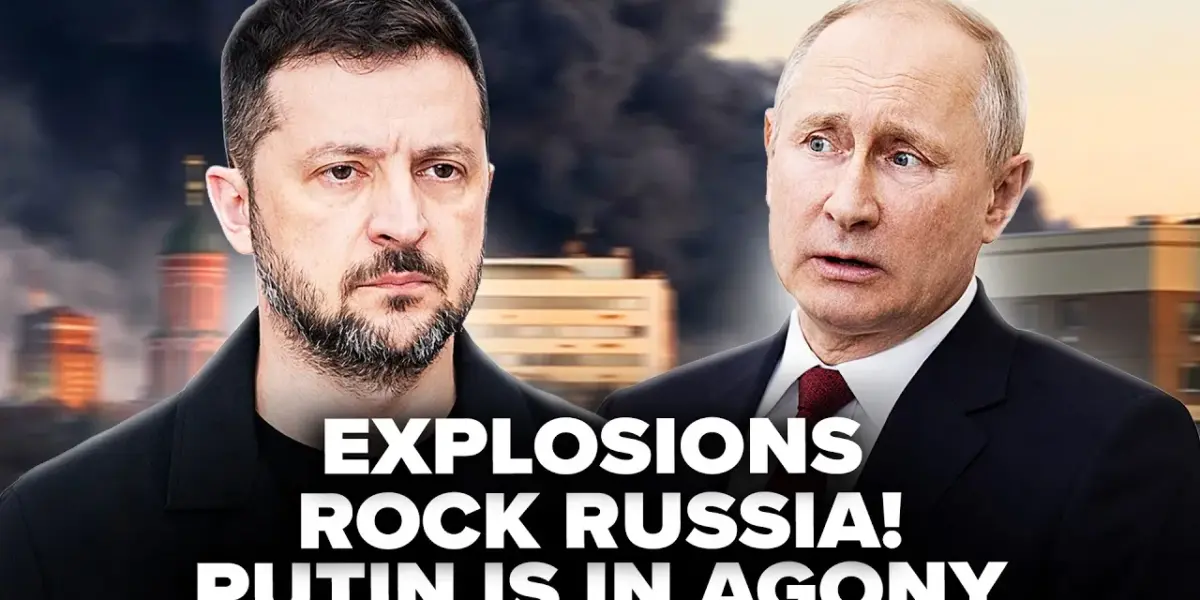
Ukraine Claims Increased Global Leverage Amidst Key Missile Strikes
In a recent interview, Ukrainian President Volodymyr Zelensky suggested that Ukraine’s role in assisting the United States with Middle East matters signifies a new level of global leverage for Kyiv. This assertion comes as Ukraine’s defense forces successfully utilized Storm Shadow missiles to strike a critical Russian microelectronics plant, a move that could significantly impact Russia’s advanced weapons production.
Zelensky Highlights Ukraine’s Strategic Position
Speaking with Irish blogger Carolyn Robertson, President Zelensky expressed a “good feeling” about Ukraine’s current standing. He noted that while Ukraine possessed strategic advantages earlier in the conflict, they were not publicly revealed. “I think that we we had, you know, it’s like a good player. So you you can have good cards, but it’s not important to show to everybody that you have these cars,” Zelensky stated, implying that Ukraine’s capabilities are now undeniable on the world stage.
The President pointed to the US seeking Ukraine’s help in the Middle East as evidence of this enhanced influence, particularly when compared to other European nations like France or Germany. He also mentioned the rejection of a British aircraft carrier proposal, further underscoring Ukraine’s unique position. Zelensky elaborated on the source of this strength, attributing it to the resilience of Ukrainian soldiers and a significant increase in domestic production since the war’s inception.
Concerns Over Global Conflict Escalation
The interview also touched upon broader geopolitical concerns, with Zelensky warning that the world may not be prepared for a potential World War III. He cited new technological threats and the actions of aggressor states as key factors. Zelensky drew parallels between Russia’s initial use of Iranian-made drones in Ukraine and Iran’s current use of Russian components to attack targets in the Middle East, including American bases.
“We can estimate that it is Russian details, not Iranians. And that’s what we saw at the very beginning of the war when Russia began to attack us using Iranian weapon. Now Iran attacks other countries of Middle East and American bases, American soldiers. You know that a lot of losses already. So that’s why I mean, it’s understandable that this is the biggest risk when the world had during these last years because it can be World War 3,” Zelensky stated.
He cautioned that if such conflicts are not halted promptly, the Middle East situation could persist for months, potentially escalating into a larger global confrontation. Zelensky recalled warning about such a scenario a year prior, suggesting that the international community, including the US, may not have fully grasped the potential scale of the threat.
Technological Readiness and Ground Warfare Experience
When questioned about the world’s readiness for a large-scale global conflict, Zelensky was unequivocal: “The world is not prepared.” He emphasized a lack of technical preparedness, particularly in Europe, although he acknowledged progress in countries like Germany and the Nordic nations. Zelensky highlighted the distinction between technological superiority in missile and drone warfare and the critical, yet less experienced, domain of ground warfare.
“The yes army is suddenly very strong, but it is necessary to separate war with missiles and drones and ground war,” he explained. “The West is ahead technologically, but experience is important in ground warfare. In the case of a large war, these factors will come together and experience in ground wars will be needed. So nobody has now experience with the land forces what we have… because of Russia attacked us not we.” He stressed that a future world war would inevitably involve extensive land offensives, leading to a significant global loss of life.
Strategic Strikes on Russian Military-Industrial Complex
The interview also coincided with significant military developments. Ukraine’s defense forces launched successful strikes using Storm Shadow missiles on the Kremley L microelectronics plant in Bryansk. According to the General Staff of the Armed Forces of Ukraine and defense expert Ivan Kirichko, the Kremley L plant is a vital component in Russia’s production of high-precision weapons, supplying essential microchips for systems like the Iskander missile.
“Kremley L is a critically important link in the chain of production of Russian high-precision weapons,” Kirichko stated. “The plant specializes in discrete semiconductor devices and integrated microchips which serve as the brains and nervous system of modern weapons, including Iskander missiles.” The General Staff reported significant damage to the production facilities, with the extent of the damage still under assessment. This strike is seen as a strategic blow to Russia’s military-industrial complex, particularly as Russia reportedly tests new missile systems like the Iscander-M, which rely on components from this facility.
Kirichko further commented that Ukraine has achieved parity with Russia in long-range aerial capabilities and is now focused on achieving similar parity in long-range missile capabilities, a more challenging endeavor given Russia’s extensive missile launches throughout the war.
US Policy on Russian Oil and Diplomatic Efforts
In parallel developments, the White House confirmed a temporary approval for India to purchase Russian oil. Press Secretary Karine Jean-Pierre clarified that this short-term measure, linked to temporary oil supply shortages caused by the situation with Iran, is not expected to provide significant financial benefits to the Russian government. The decision was reportedly made to address global oil supply gaps while allies like India have been compliant with sanctions.
The context for this decision includes the closure of the Strait of Hormuz by Iran, which led to a sharp increase in global oil prices. The US aims to ease pressure on supplies and prices by allowing India, a major oil importer, to temporarily resume purchases of Russian oil that was already at sea. This policy shift comes after India had previously agreed to reduce its imports of Russian oil under US pressure.
Meanwhile, diplomatic efforts continue, though with some delays. A trilateral meeting between Ukraine, Russia, and the US, initially planned for March, was postponed at the request of the American side and is now being considered for the following week, potentially in Switzerland. Key agenda items are expected to include humanitarian issues and preparations for a leaders’ summit. A US envoy expressed optimism, noting signs of weariness on both sides of the conflict and drawing parallels to perceived inflection points in the Middle East conflict.
Looking Ahead
The coming weeks will be crucial in observing whether Ukraine can leverage its perceived increased global standing to its advantage. The full impact of the Storm Shadow missile strike on the Kremley L plant on Russia’s military capabilities remains to be seen. Furthermore, the success of ongoing diplomatic initiatives and the potential for a de-escalation of regional conflicts will be closely monitored as indicators of global stability and the future trajectory of the war in Ukraine.
Source: 💥Putin is panicking! Zelensky’s statement is changing war. Storm Shadow missiles hit Russian plant (YouTube)

Related Articles
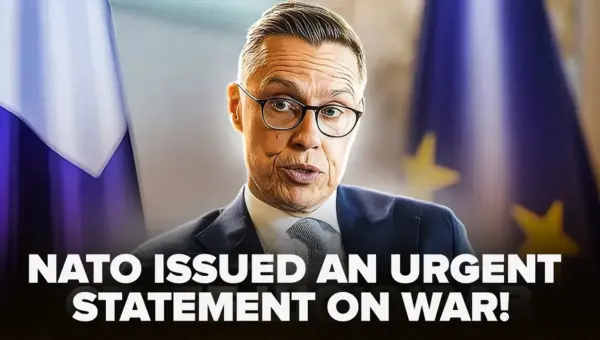
Ukraine Strikes Russian Oil Refinery, Eyes Iran Threat
Ukrainian forces struck a key Russian oil refinery, disrupting Moscow's war capabilities. Meanwhile, Finland's president urged continued U.S. support for Ukraine, as Kyiv shares its air defense expertise globally amid growing geopolitical complexities involving Iran and potential sanctions against Hungary.

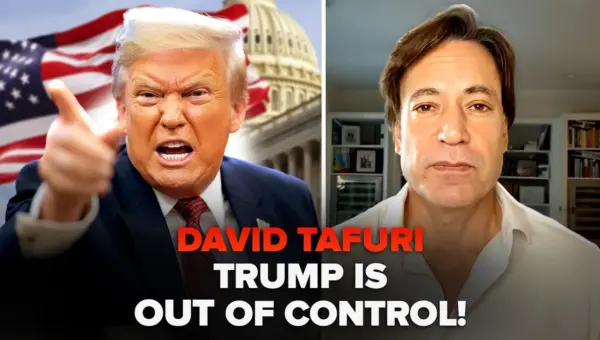
Trump Halts Iran Strikes Amid Stalled Diplomacy
President Trump announced a pause on planned strikes against Iran, citing productive talks, though Iran denies negotiations occurred. Reports also suggest a potential U.S. ground operation on Iran's Hark Island. The situation raises concerns about international support for Ukraine and potential shifts in U.S. foreign policy.

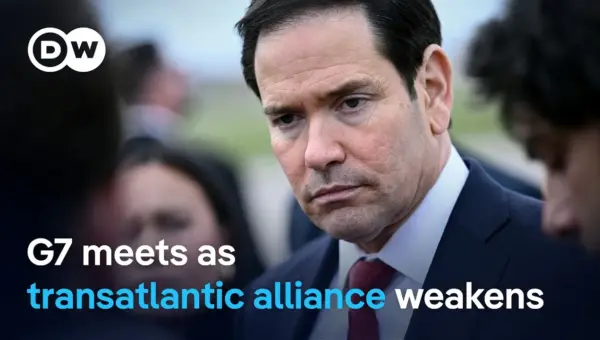
G7 Allies Clash Over Iran War Strategy, Urge Focus on Russia
G7 foreign ministers met in Paris, revealing deep divisions over the U.S. war with Iran. European allies urged the U.S. to pressure Russia, linking its actions to the conflict and fearing support for Ukraine will wane.