YouTube’s Dark Side: 20 Creators Who Fooled Us All
Watch Mojo's countdown reveals 20 YouTubers who built massive followings on deceptive personas. From fake deaths and plagiarism to scams and harassment, these creators fooled the world before their controversies came to light. The list serves as a stark warning about online authenticity and accountability.

YouTube’s Dark Side: 20 Creators Who Fooled Us All
YouTube has given rise to countless stars, but not all that glitters is gold. Many creators have built massive followings with engaging content, only for controversies to reveal a much darker reality behind the camera. Watch Mojo’s recent countdown, “20 Horrible YouTubers Who Fooled the World,” shines a spotlight on these individuals, detailing how their public personas crumbled under the weight of their actions.
From Viral Fame to Public Backlash
The list includes a wide range of YouTubers, from those known for confrontational commentary to seemingly family-friendly gamers. Each entry highlights a creator whose fame was built on a carefully crafted image that ultimately proved to be a facade. These stories often involve accusations of harassment, misinformation, inappropriate behavior, scams, and even criminal acts.
Leafy is Here: The Controversial Commentator
Kicking off the list at number 20 is Leafy is Here. He gained popularity through his aggressive commentary style, often targeting other YouTubers. While some fans saw his bluntness as unfiltered honesty, critics accused him of fueling harassment and spreading negativity. Platform policy changes eventually led to the removal of much of his content, serving as a stark reminder of how online behavior can have real-world consequences.
Minilad: The Deceptive Gamer
At number 19, Minilad presented a family-friendly image that resonated with younger audiences through his gaming content. However, this persona unraveled when allegations of inappropriate interactions with fans surfaced. His fall from grace highlighted the dangers of parasocial relationships and the importance of maintaining boundaries between creators and their audience, especially when younger viewers are involved.
Onision: The Provocative Figure
Gregory James Daniel, known as Onision, lands at number 18. His channel relied on provocative commentary and shock humor, which eventually drew significant scrutiny. As allegations and investigations emerged, fans and collaborators realized his on-screen persona masked manipulative behavior. Like other early YouTube figures, Onision’s decline reflects a growing demand for accountability and ethical conduct on the platform.
Nikocado Avocado: The Mukbang Spectacle
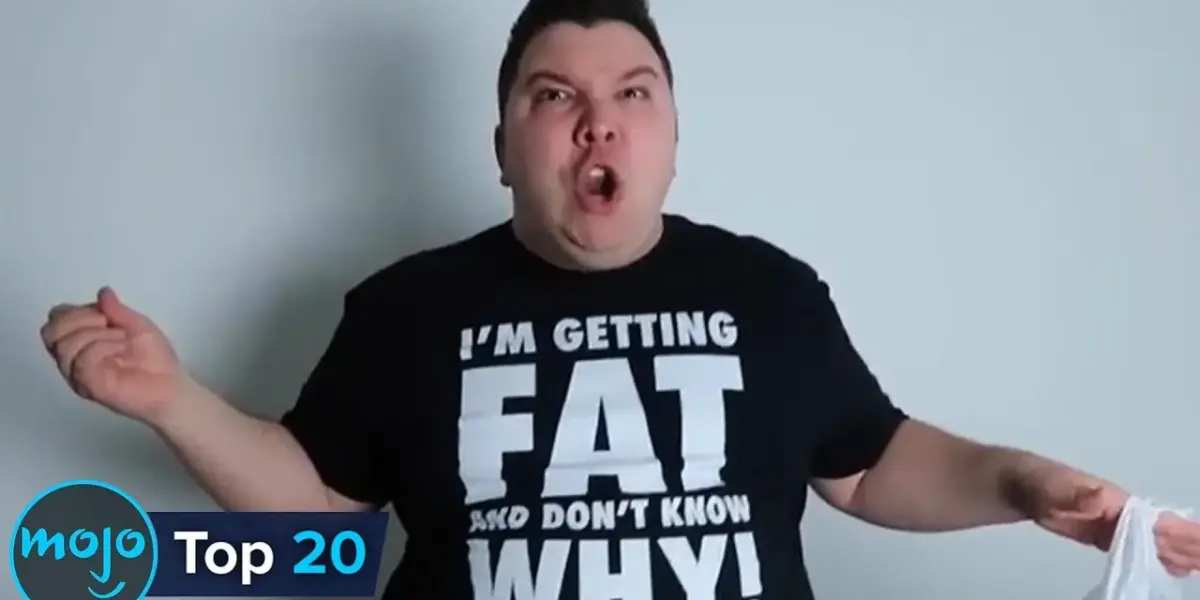
Number 17, Nikocado Avocado, became infamous for extreme mukbang videos filled with emotional volatility and overdramatized personal narratives. While he acknowledged exaggeration as part of his act, the constant blurring of lines between reality and spectacle raised concerns about self-exploitation and mental health representation. His channel serves as an example of how creator identity can be intentionally intertwined with performance for monetary gain.
The Fine Brothers: The React Controversy
The Fine Brothers, known for their popular “React” series, faced significant backlash at number 16 when they attempted to trademark and license the “React” format. What they intended as a way to collaborate was seen by many creators as an attempt at corporate control over a widely used concept. The public outcry and subscriber drop forced them to reverse their decision, highlighting creator fears about intellectual property on YouTube.
Gamergate Fallout: YouTubers and Gambling
At number 15, the list points to YouTube gamers Trevor T. Martin and Tom Syndicate Castle, who were revealed to be owners of a gambling site they promoted. The site allowed users to wager virtual items for real money, attracting young audiences. The lack of disclosure raised serious ethical concerns, especially regarding underage users, and intensified scrutiny of online gambling content and advertising practices.
Sam Pepper: Pranks Gone Wrong
YouTuber Sam Pepper is at number 14 for his infamous prank videos. One particularly disturbing incident involved a staged kidnapping and mock execution that left his friend genuinely terrified. Pepper claimed it was a social experiment, but critics argued that his pursuit of shock value overshadowed empathy. He later faced further accusations for attempting to disguise sexual assault as a prank, demonstrating how chasing virality can override ethical considerations.
Influencers and the BetterHelp Scandal
At number 13, several high-profile YouTubers, including Shane Dawson and H3H3 Productions, faced criticism for promoting BetterHelp, an online therapy platform. While marketed as accessible mental health care, users questioned therapist credentials, data privacy, and the service’s effectiveness. The controversy focused on influencer endorsements for sensitive topics and sparked broader discussions about ethical advertising and the responsibility creators have when recommending services related to personal well-being.
I’m JStation: Faking a Girlfriend’s Death
The chilling case of I’m JStation, at number 12, involves admitting to faking his girlfriend’s death to increase his subscriber count. This act of emotional manipulation, even by YouTube’s standards, led to widespread condemnation, platform penalties, and loss of sponsorships. It symbolized how far some creators might go for relevance, and how audiences increasingly expect honesty, especially when sensitive themes are exploited for engagement.
Reset: The Toothpaste Prank Jail Sentence
Number 11, Spanish YouTuber Reset, received a jail sentence and a permanent ban from YouTube for a prank where he filmed himself giving a homeless man cookies filled with toothpaste. This act of exploiting a vulnerable individual for entertainment sparked outrage and reinforced the need for accountability. Reset’s punishment proved that shock value and cruelty are not acceptable under the guise of entertainment.
Sam and Nia Raider: The Fake Pregnancy Scandal
At number 10, the Christian couple Sam and Nia Raider were accused of faking their pregnancy and subsequent miscarriage. While they initially garnered sympathy, viewers grew suspicious when the couple attributed their subscriber growth to the miscarriage. Further revelations, including Sam’s alleged use of Ashley Madison, turned the story into a cautionary tale about parasocial trust and the uneasy line between genuine vulnerability and strategic storytelling.
MKI vs. Math Podcast: Plagiarism Accusations
The controversy at number 9 involved French creator Math Podcast being accused of plagiarizing the content of Asian-American YouTuber MKI. Fans noticed that Math’s videos mirrored MKI’s in timing, jokes, and even camera angles, with translations replacing originality. This act of creative theft across language barriers highlighted how international audiences can be misled when content is repackaged, and that originality is paramount.
Keemstar’s False Accusation
At number 8, YouTube news channel Drama Alert, hosted by Keemstar, wrongly labeled an elderly streamer as a convicted pedophile. The accusation spread rapidly, leading to harassment and death threats before it was disproven. The real John Phillips was still in prison, and the error stemmed from superficial research. This incident exposed how misinformation can spread when creators prioritize speed over accuracy.
The Paul Brothers’ Controversial Ventures
The countdown also touches upon the controversial ventures of figures like the Paul Brothers, though the transcript cuts off before detailing their specific placement or transgressions. However, their inclusion suggests a pattern of behavior that has drawn significant public and critical attention throughout their careers on the platform.
A Warning to Viewers and Creators Alike
The “20 Horrible YouTubers Who Fooled the World” list serves as a powerful reminder of the complexities of online fame. It underscores the importance of critical viewing, urging audiences to question what they see and to be aware of the potential for deception. For creators, it’s a stark warning about the consequences of unethical behavior and the lasting impact of betraying audience trust. The platform continues to evolve, and with it, the ongoing need for accountability and transparency in the digital age.
Source: 20 Horrible YouTubers Who Fooled the World (YouTube)

Related Articles

Parents Win Landmark Social Media Trial Against Big Tech
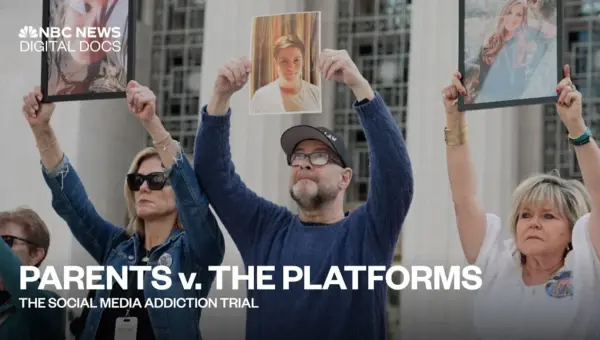
A landmark trial in Los Angeles has concluded with a jury finding Meta and YouTube liable for harm caused by their platforms' addictive designs. Parents who lost children to social media-related issues celebrated the verdict, calling it a victory for a generation. Tech companies maintain their stance, arguing mental health is complex and cannot be solely blamed on apps.

Musicians’ Pride Comes Before a Fall: Top 10 Humbled Stars
From award show interruptions to public scandals, some of music's biggest names have faced moments that humbled them. This list counts down ten times arrogant musicians were brought back down to Earth by their own actions or public backlash. Discover the shocking incidents that defined these artists' careers.

New Food Channel Seeks 1,000 Subs, 4,000 Watch Hours
Content creators Joe and Naz have launched a new YouTube channel focused on food exploration. "Joe and Naz" aims to reach 1,000 subscribers and 4,000 watch hours to grow its audience. The duo plans to feature restaurant reviews, travel, and audience-suggested content.